What happens if a rove beetle bites you?
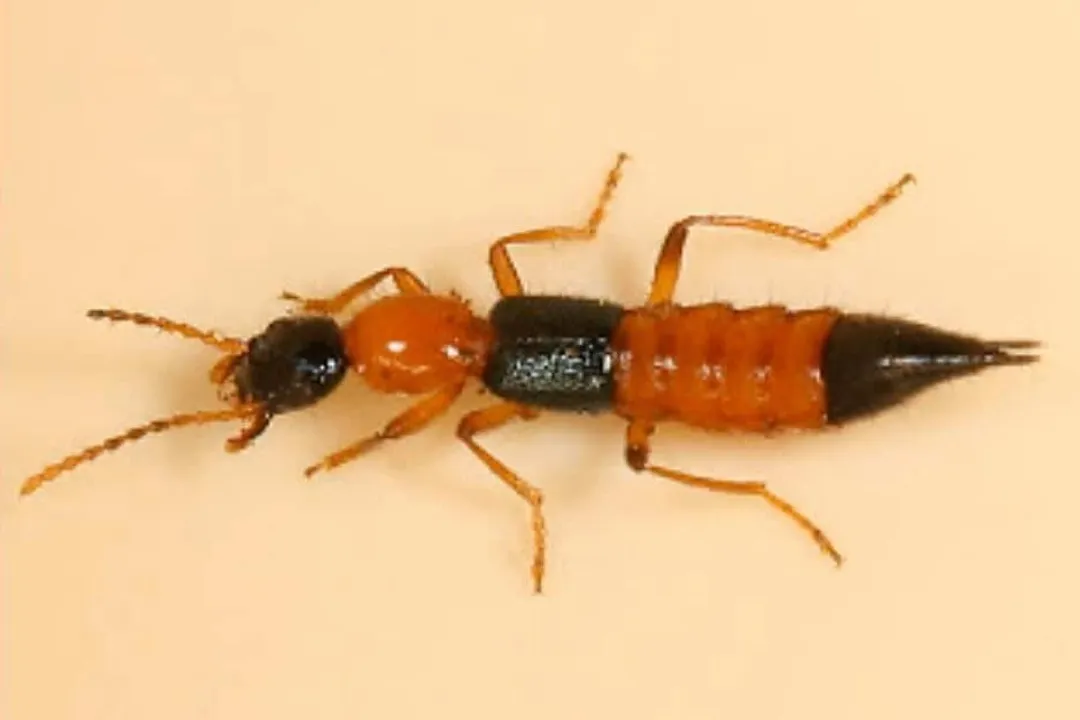
Encountering a small, dark beetle and subsequently developing a painful skin rash might lead you to wonder exactly what transpired. While many people immediately jump to the conclusion that they were bitten, the reaction caused by certain rove beetles, particularly those in the genus Paederus, is usually the result of contact with their internal fluid, not a true bite wound. [1][2] This specific inflammatory condition is medically recognized as paederus dermatitis. [1][5] These beetles are slender, often black and orange or black and red, and are attracted to artificial lights at night, making contact common in humid, tropical, or subtropical regions where they thrive. [1][6][9]
# Beetle Identity
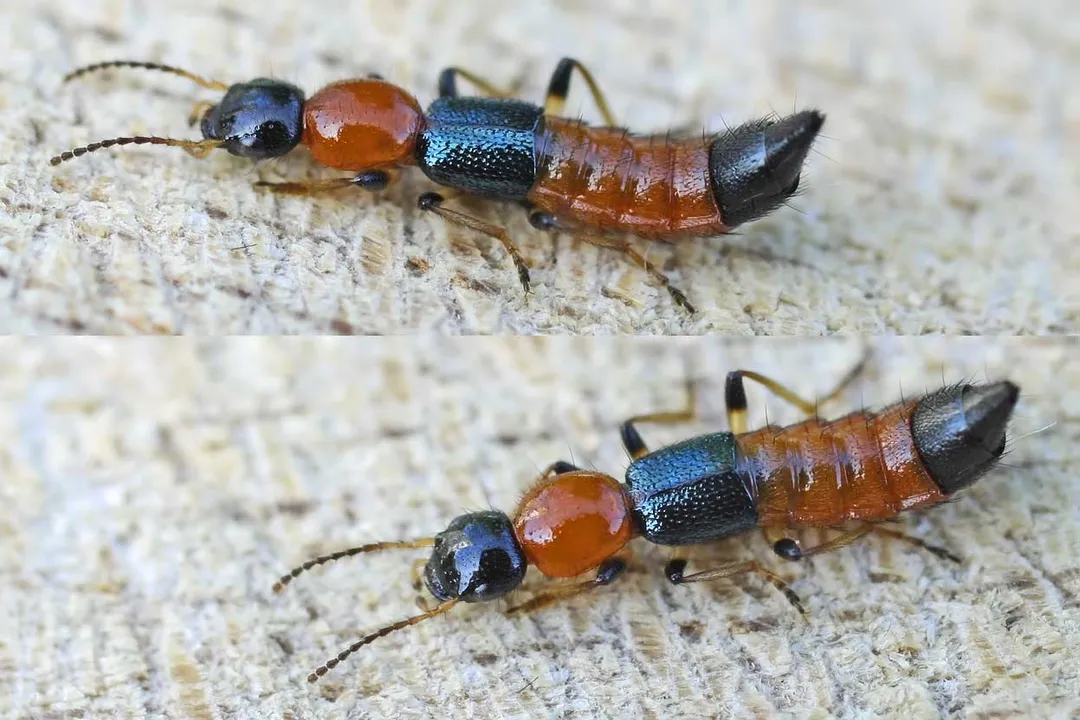
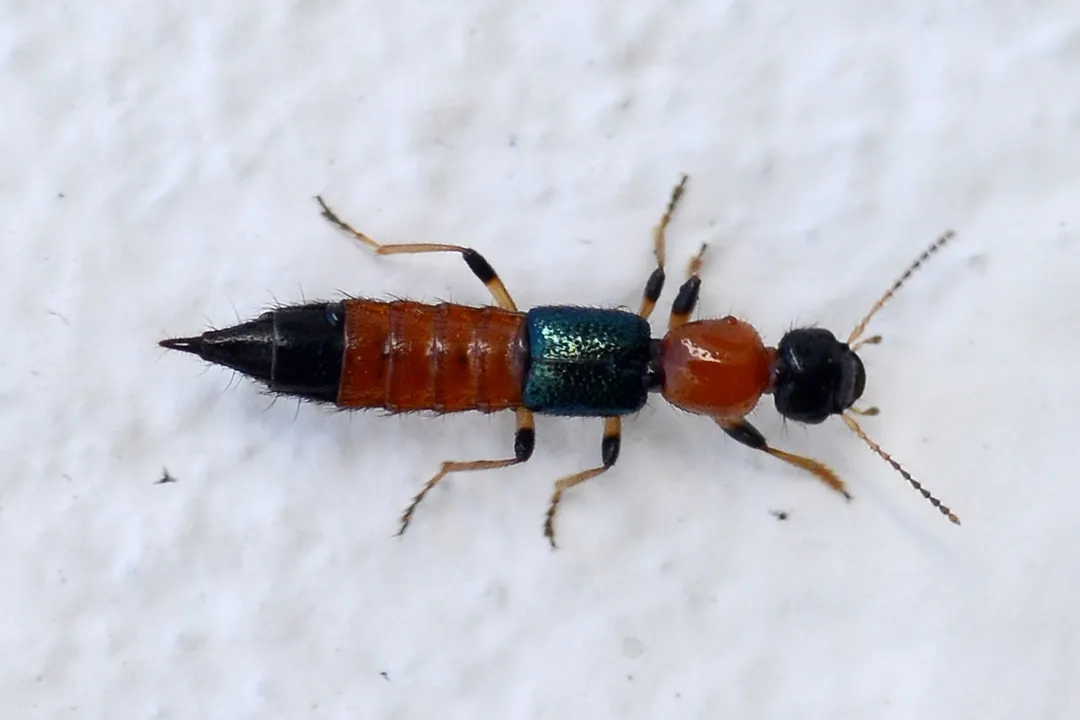
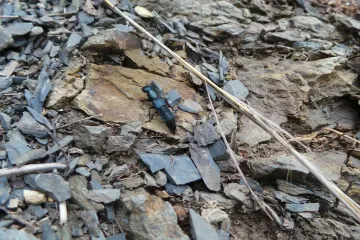
Rove beetles belong to the family Staphylinidae, a vast group that includes tens of thousands of species, making it one of the largest beetle families globally. [1] The species responsible for dermatological issues typically belong to the genus Paederus. [1] In places like Bali, these beetles are locally known by the colloquial term "tomcats". [9] They are recognizable by their elongated bodies, short wing covers (elytra), and prominent antennae. [1] Their coloration often features alternating bands of black and a bright color, frequently orange or red, which can sometimes lead to misidentification as blister beetles—though they are distinct families. [1][5]
# Toxin Release
The critical factor in Paederus dermatitis is not mechanical injury from a bite, but rather chemical injury from their hemolymph, or "blood". [2] When a person encounters the beetle, they often instinctively try to crush or brush it away, leading to the release of this toxic fluid onto the skin. [1][5] The primary active agent is a potent irritant called pederin. [1][7] This chemical is known to be highly toxic, and interestingly, it is produced by the beetle rather than sequestered from its diet. [7] The toxicity of pederin is significant; it can cause intense irritation even when the beetle is dead, provided the toxin remains on the surface it contacted. [1]

# Skin Reaction
The manifestation of paederus dermatitis is delayed, which often obscures the cause for the affected individual. [1][5] Unlike an immediate sting or a typical insect bite where pain or immediate swelling occurs, the characteristic rash usually appears 24 to 48 hours after the initial contact with the pederin-containing hemolymph. [1][5]
The initial sign is typically erythema, or redness of the skin, which progresses to the formation of papules (small raised bumps). [1][5] Within a couple of days, these lesions develop into characteristic vesicles or bullae—fluid-filled blisters. [5][4] The severity is highly variable, ranging from mild irritation to severe blistering that can resemble a chemical burn. [1][7] If the beetle is simply brushed off without being crushed, the reaction might be minimal or entirely absent, highlighting the importance of the crushing action in toxin release. [2]
# Spread and Location
The location of the rash often gives a clue to its origin. Since the beetles are often found near water or in grassy areas and are attracted to light, exposed skin is most commonly affected. [1][5] The linear pattern seen in some cases arises from the beetle being dragged across the skin before being noticed or brushed off. [1]
A particularly frustrating aspect of this condition is the risk of autoinoculation. [1][5] If a person touches the contaminated skin area and then inadvertently touches a different, sensitive area—such as the eyelids, neck, or groin—the pederin can be transferred, leading to secondary lesions far from the original contact point. [5][1] This secondary spread is why some rashes can appear to pop up in new locations days after the initial exposure. [1]
If you live in an area with prevalent Paederus beetles, a good practice is to check frequently touched areas, especially after spending time outdoors, even if you feel you weren't bitten. For instance, if you notice one of these beetles crawling on your arm while you are reading in bed and you simply flick it away, the rash might appear on your arm, then later on your face if you rubbed your eyes after handling your phone. [9]

# Differential Diagnosis
When a patient presents with an acute, blistering rash, dermatologists must differentiate Paederus dermatitis from other common conditions. [1][4] Because of the appearance of the vesicles, it is frequently mistaken for contact dermatitis caused by plants like poison ivy or poison oak. [2] It can also resemble herpes zoster (shingles) or impetigo. [1][5] A history of exposure to insects, especially after being outdoors at night or sleeping with windows open, is key to accurate diagnosis. [1]
# Treatment Protocols
Addressing Paederus dermatitis involves managing the inflammation and preventing secondary infection. [1][4] Immediate action upon recognizing contact with the beetle is essential. The first step is thorough washing of the affected area with soap and copious amounts of water to remove any remaining pederin before it fully penetrates the skin. [2][5]
For the established, inflammatory reaction, treatment focuses on reducing the burning, itching, and blistering. [4]
- Topical Corticosteroids: These are frequently prescribed to reduce inflammation and help the rash resolve more quickly. [1][5]
- Soothing Agents: Cool compresses or calamine lotion can help alleviate the intense itching and burning sensation. [4]
- Antibiotics: If the blisters rupture and lead to secondary bacterial infections—a common failure scenario if the blisters are scratched open—topical or oral antibiotics may be necessary. [1]
It is important to note that antibiotic creams are generally ineffective against the initial viral or chemical reaction itself; they only treat superimposed bacterial infections. [4]
# Preventive Measures
Since treatment manages the symptoms after the fact, the most effective approach is prevention. [2][5] Given that these beetles are phototactic (drawn to light), managing your outdoor and indoor lighting environment can significantly reduce encounters. [1]
- Light Management: Keep exterior lights turned off or use yellow/sodium vapor bulbs, which are less attractive to these insects, especially during peak activity hours. [5]
- Barrier Protection: Ensure window screens are intact. If sleeping in an area where these beetles are known to be abundant, consider sleeping under a mosquito net, even if you are not worried about mosquitoes. [5][9]
- Handling Protocol: If you find a beetle on your skin or clothing, never crush it. [2] Gently flick it off using a piece of paper or a rigid object, or rinse it away with running water. [2]
- Immediate Cleaning: If you suspect contact, wash the area immediately, even if you don't see a rash forming yet.
An insightful observation from regions where these beetles are endemic is that the "biting season" often correlates strongly with the rainy season or the start of the humid summer months when larval development peaks and the adult beetles emerge in larger numbers. [6] Being particularly vigilant during the transition into warmer, wetter weather can preemptively lower your risk before the first rash appears.
# Recovery Timeline
When properly managed, the skin lesions from Paederus dermatitis typically begin to heal within 7 to 10 days. [5] The inflammation subsides, and the blisters dry up. However, post-inflammatory hyperpigmentation—darkening of the skin where the rash was—can linger for weeks or even months after the acute phase has passed. [1][7]
# Distinguishing Contact from Stings
A common point of confusion, particularly in communities that also deal with stinging insects like fire ants, is differentiating the delayed chemical reaction from a genuine venomous sting. [3] Fire ant stings, for example, are immediately painful, often resulting in a localized welt that quickly develops into a sterile pustule. [3] In contrast, the rove beetle reaction involves no immediate pain at the site of contact; the irritation starts hours later as a flat red area, which then develops into blisters. Understanding this temporal difference—immediate pain versus delayed eruption—is a simple, practical tool for differentiating the source of skin irritation when you are unsure what caused it. [2][7] While some sources suggest the beetle might bite if trapped, the overwhelming pathology associated with the public health issue is due to pederin released upon crushing. [2]
This distinction is also relevant because the treatment focus shifts: a true sting reaction might respond better to antihistamines initially, whereas the pederin reaction demands rapid decontamination and strong anti-inflammatory agents once the rash develops. [4]
# Rove Beetles and Ants
It is important to maintain clear identification between arthropods causing skin reactions. While some sources group potential irritants together, the mechanism for rove beetle dermatitis is distinct from that of ants. [3] Fire ants, for instance, inject venom via a sting, causing immediate pain and swelling, often resulting in a pustule. [3] Paederus dermatitis, conversely, is a delayed reaction to a contact toxin (pederin) that leads to blistering. [1][5] Paying close attention to the creature involved—a black and orange beetle versus a small, reddish-black ant—provides the most straightforward initial differentiation. [3] Furthermore, the presence of pederin on an object or surface means that even touching the remains of a crushed beetle days later could potentially trigger a reaction, a persistence not typically associated with a fresh ant sting. [1]
# Concluding Thoughts
The encounter with a Paederus rove beetle rarely involves a true bite but rather an unfortunate, chemically induced dermatitis triggered by crushing the insect against the skin. [1][2] Recognizing the characteristic delayed, blistering rash and understanding the role of the toxin pederin allows for appropriate treatment, usually involving washing and topical steroids. [4][5] By adopting simple preventive habits—like carefully removing, rather than crushing, any beetle found on your person or bedding—you can easily sidestep this painful, albeit non-infectious, skin event. [2][9]
Related Questions
#Citations
Paederus dermatitis - Wikipedia
DOC2US - Understand the rove beetles 'bite'
Beware of dermatitis cause by rove beetles - Vinmec
TREATMENT WOULD BECAUSE OF ROVE BEETLES - CarePlus
Paederus dermatitis - DermNet
The bombardier beetle is highly venomous. Anyone who is allergic ...
Paederus beetles: the agent of human dermatitis - PMC
Rove beetle causes severe skin irritation when crushed - Facebook
Tomcats Bali: How To Keep This Rove Beetles From Ruining Your Trip