What medical term describes the secondary spread of pederin lesions to previously unaffected skin areas?
Answer
Autoinoculation
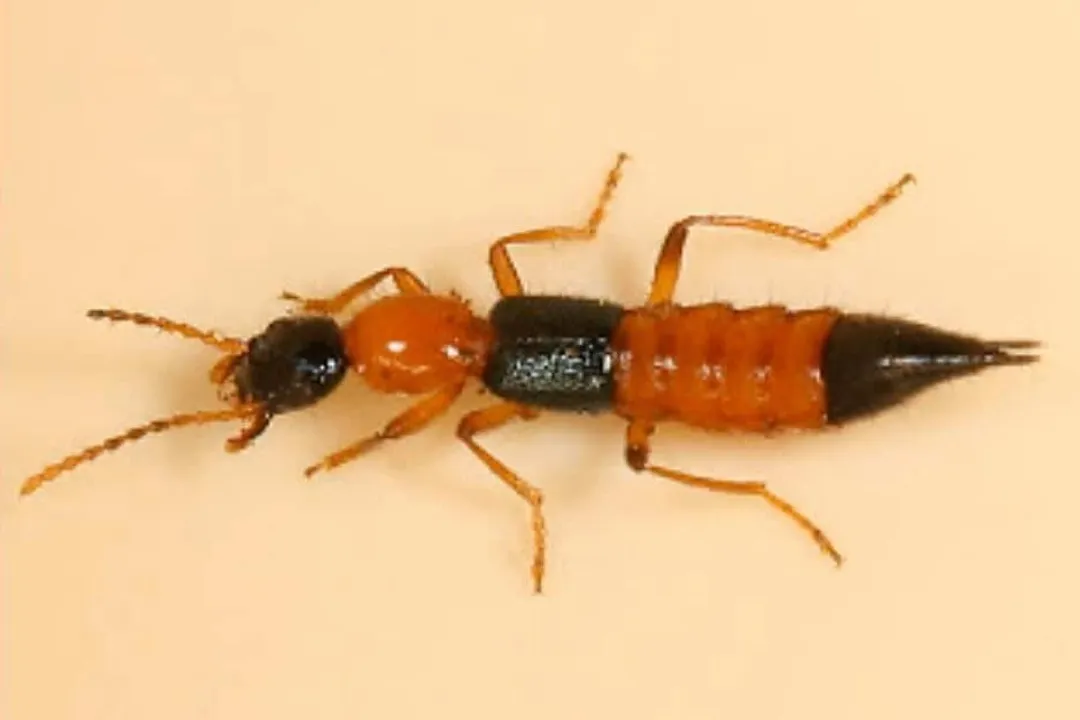
Autoinoculation is a significant concern when dealing with Paederus dermatitis because it explains why the rash may appear to spread or pop up in new, seemingly unrelated locations days after the initial event. This occurs when a person unknowingly transfers the pederin toxin from the originally contaminated skin area to a new site. Since sensitive areas like the eyelids, neck, or groin are easily touched by contaminated hands, the toxin can be effectively transferred, initiating secondary lesions far from the original contact point. For instance, rubbing one's eyes after handling a phone that rested near the initial rash site is a common route for autoinoculation, leading to secondary blistering in those delicate areas.
Related Questions
What is the primary active irritant chemical in the hemolymph causing Paederus dermatitis?How long after initial contact with pederin-containing hemolymph does the characteristic rash manifest?What medical term describes the secondary spread of pederin lesions to previously unaffected skin areas?What is the recommended first step in immediate action after recognizing contact with a *Paederus* beetle?Which colloquial term is used in Bali for the rove beetles belonging to the genus *Paederus*?What key difference separates the immediate sensation of a fire ant sting versus contact with a *Paederus* beetle?What essential preventive measure involves managing outdoor lighting to deter phototactic *Paederus* beetles?Which substances are frequently mistaken for Paederus dermatitis due to the formation of vesicles?If a blister from Paederus dermatitis ruptures, what subsequent medical intervention might become necessary?What distinctive physical feature differentiates *Paederus* beetles from blister beetles, despite potential color confusion?