What attracts a rove beetle?
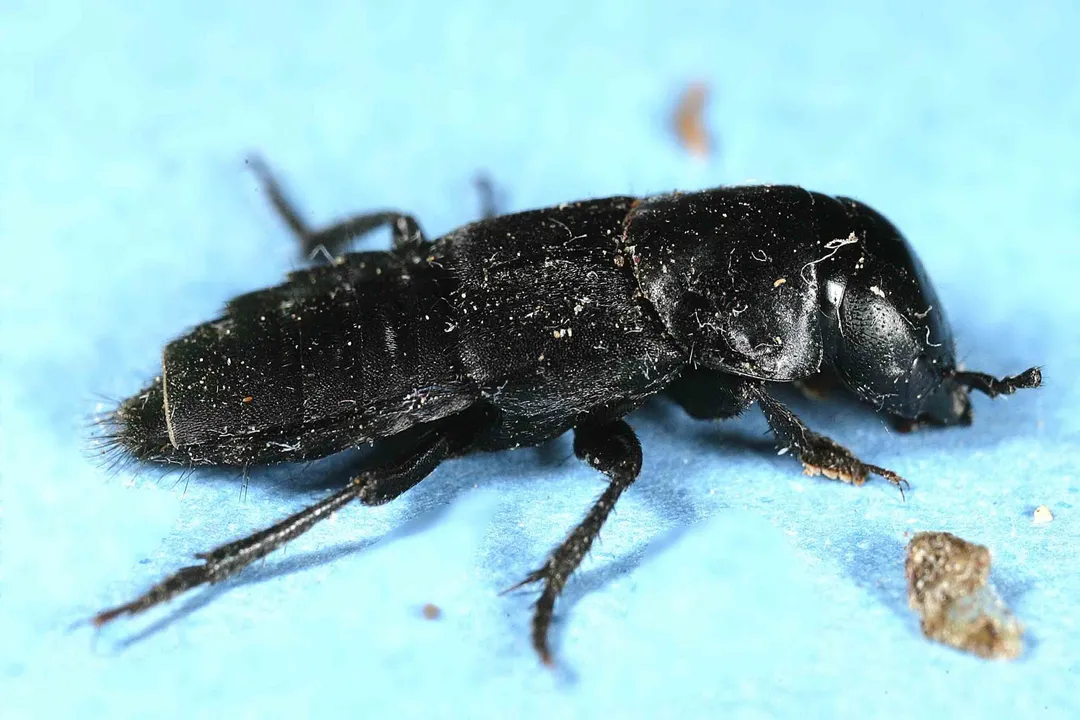
The rove beetle family, Staphylinidae, represents an astonishingly successful and diverse group of insects, constituting one of the largest beetle families globally, with around 63,000 described species worldwide. If you encounter one of these fast-moving, elongate insects, it's often because your environment has provided one of several key attractants that meet their fundamental biological needs for food, shelter, or reproduction. Understanding these attractions is key to knowing why these beetles—which often hold their abdomen curled upward like a scorpion when disturbed—decide to stop roving and settle near human activity.
# Craving Dampness
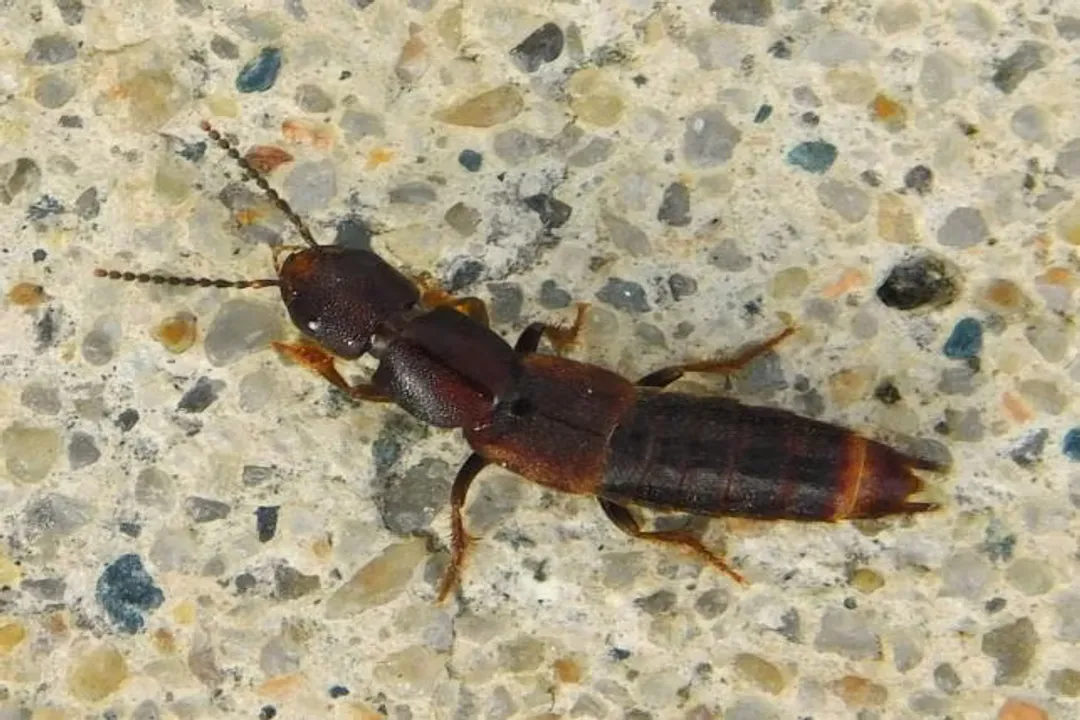
Perhaps the most significant factor drawing rove beetles to a location is moisture. Most species are strongly associated with moist habitats, preferring cool, damp places. This preference is logical when considering their physical makeup: rove beetles have shortened forewings (elytra), which makes them more susceptible to drying out compared to many other beetles.
You will frequently find them under logs, beneath rocks, within leaf litter, or near sources of standing water such as wild ponds. In agricultural settings, they are commonly found in moist, vegetated areas like rice fields or near crops such as corn. This dependence on humidity means that areas with poor ventilation or persistent dampness—like basements in a home—become prime targets for colonization, particularly if they also harbor food sources.
# Feast Lure
The second major attraction is food, and rove beetles are remarkably versatile eaters, although many are highly predatory. Their diet determines where they will actively seek residence.
Adult rove beetles are generalist predators, actively hunting a wide range of smaller invertebrates. If an area has an active population of soft-bodied pests, the beetles will follow. Targeted prey includes fly maggots, ant larvae, mites, thrips, insect eggs, aphids, leafhoppers, scale insects, whiteflies, gnats, grubs, and even mosquito larvae. For instance, a pair of adult Aleochara bilineata can consume as many as 1,200 root maggot eggs in a single day. In agricultural contexts, the presence of pests like root maggots is critical for attracting and sustaining these beneficial populations.
However, their appetite extends beyond live prey. Many species act as scavengers, drawn to decaying organic matter, which serves as a dual attraction: it provides food directly (rotting fruit, dead insects, or animal matter) and is often teeming with the smaller, softer-bodied insects they prey upon. This scavenging instinct explains why they are commonly associated with carrion—they are one of the most numerous colonizers of decomposing material. In a residential setting, this means any source of decay, even if it is a forgotten dead animal under a deck or general debris indoors, can act as an attractant.
A common management oversight is focusing only on eliminating moisture while ignoring the small populations of soft-bodied pests they follow—or vice-versa. A truly dry space still needs to be relatively clean of mites or gnats, as a few survivors can sustain a small predatory population until the next humidity spike provides an opportunity for a larger infestation to develop.
# Nocturnal Beacons
Rove beetles are generally known for being nocturnal and secretive, often hiding under debris during the day. This nighttime activity leads to their third significant attraction: light.
Because they exhibit positive phototaxis behavior, adult rove beetles are often found accumulating around artificial light sources at night. This tendency pulls them away from their damp, dark breeding grounds and directs them toward the lighting produced in human habitations. They are also described as excellent fliers and fast runners, characteristics that help them quickly move toward these visual beacons when active after dark. For gardeners particularly attentive to soil health, the presence of rove beetles in compost or mulch shouldn't cause alarm; instead, it's an indicator of a healthy, active detritivore and predator community. The key difference between a beneficial presence in the garden and an unwelcome one indoors lies in proximity to human skin, as their natural defenses, like the toxic secretions of Paederus species, become a direct issue only when the insect is accidentally crushed against skin indoors.
# Habitat Niches
Beyond the primary draws of water, food, and light, certain specialized species are attracted to specific micro-habitats, often tied to other organisms.
Some species are closely linked to the colonies of ants or termites, living alongside them and sometimes pacifying them with secreted chemicals. In other cases, specific rove beetles have adapted to life within the nests of rodents or birds, where they prey on parasites like fleas or mites that bother the hosts.
In the home, beyond the general damp areas, they seek out sheltered voids. They commonly nest in cracks and crevices found in walls, windows, or floors, and can be found hiding behind furniture like cabinets, tables, and shelves, especially in rarely cleaned storage rooms. Even in multi-story structures, infestations are possible, suggesting that pathways for entry and development of food sources are more critical than ground-level proximity.
For those trying to encourage these beneficial insects in their yards, creating habitat diversity is more effective than simply purchasing them from a supplier, as commercially introduced beetles often disperse quickly. Supporting local populations involves maintaining hedgerows, shelterbelts, and a good diversity of native flora—these plants provide essential resources and natural overwintering sites that encourage them to stay and colonize the area naturally.
# Diversity of Attraction
It is important to remember the sheer diversity of the family, as what attracts one species might not attract another. For example, while many are generalist predators, the life cycle of Aleochara bilineata involves its larvae specifically parasitizing maggot puparia for overwintering. This means that while the adult is drawn to feeding on aphids or mites, the successful continuation of that lineage is linked to the presence of its specific host pest in the soil. The diversity in diet—from consuming decaying plant matter to preying on nematodes or even pollinating certain flowers like skunk cabbage—means that a varied, healthy ecosystem is the best overall attraction for the Staphylinidae family as a whole.
Ultimately, the attraction of a rove beetle is a combination of environmental comfort (dampness), opportunity (abundant prey or decaying matter), and nocturnal navigation (light). While many species are friends to the gardener, the presence of some, like the Paederus species, carries a health risk due to their toxic paederin secretion, which causes painful rashes upon skin contact. Therefore, recognizing the attraction factors allows one to manage the environment to maintain the beneficials while minimizing proximity risks associated with the hazardous ones.
Related Questions
#Citations
Rove Beetle - Cornell CALS
Google images said rove beetle and that they're attracted to ... - Reddit
Predatory Beetles : Rove beetles - Hortsense
Rove Beetles (Staphylinids) - Missouri Department of Conservation
Rove Beetle | Yard and Garden - Iowa State University
Rove Beetles | Facts & Identification, Control & Prevention
Rove Beetle Control - Fast & Safe | Rentokil Indonesia
Incidental Pest – Rove Beetle - Advance Pest Management