Are rove beetles good or bad?
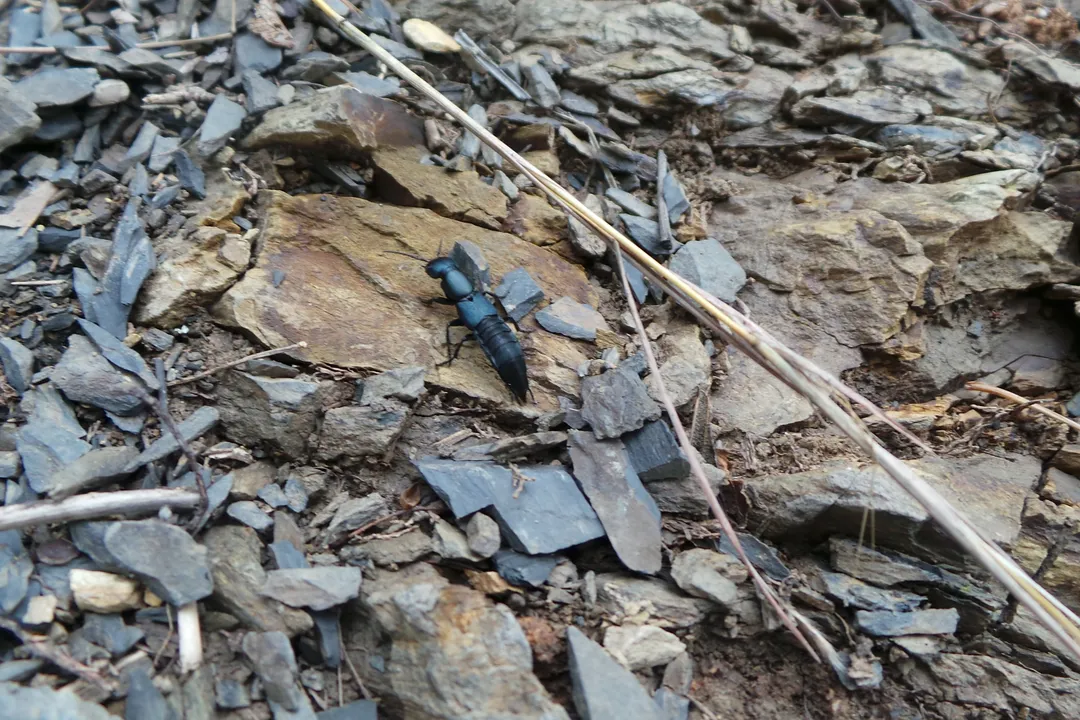
The arrival of a long, dark beetle scurrying across the potting bench or under a damp piece of wood often prompts a moment of hesitation from gardeners asking what exactly they have found. Rove beetles, members of the Staphylinidae family, are among the most frequently encountered—and frequently misjudged—insects in soil and mulch layers worldwide. The primary question facing anyone spotting one is whether this creature is an ally in pest control or another nuisance requiring removal. For the vast majority of gardeners and homeowners, the scales tip heavily in their favor; rove beetles are overwhelmingly considered good due to their predatory habits.
# Identification Features
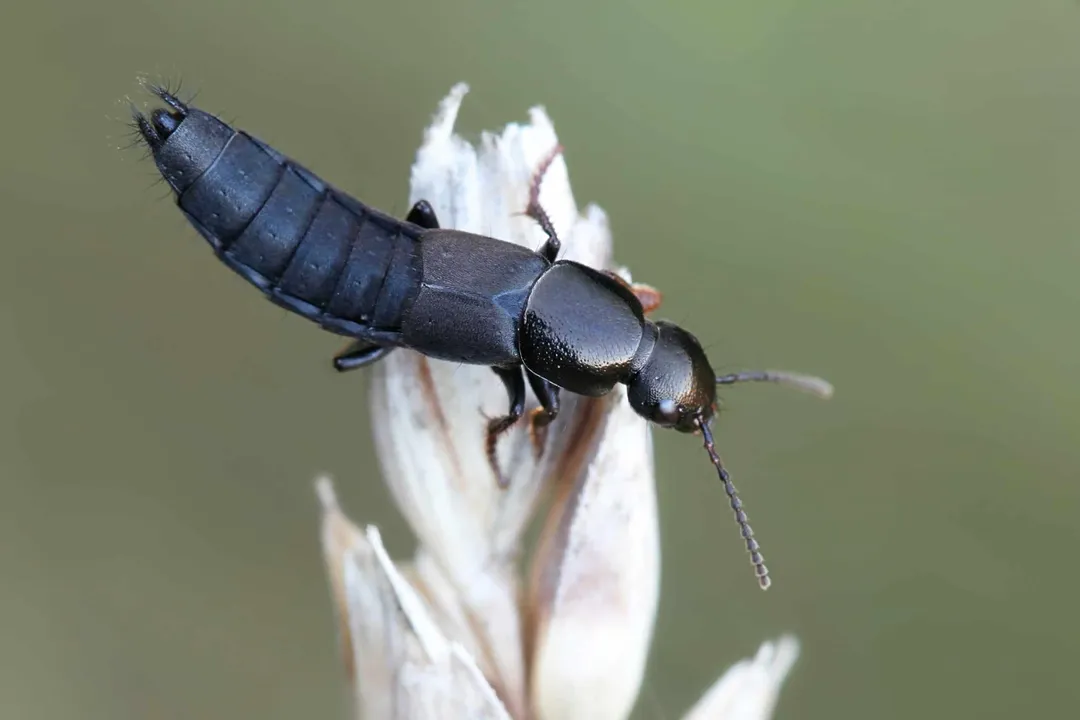
Describing the rove beetle involves noting a few distinct physical characteristics that set them apart from many other beetle groups. Perhaps their most recognizable trait is their elongated body shape, often looking somewhat slender. A key identifier for this large family is their wing structure: while they are true beetles, their elytra, or wing covers, are unusually short, leaving several abdominal segments exposed. This structure gives them a distinctive, somewhat streamlined appearance compared to many other common beetle types. They are found across the globe and exhibit considerable variation in size and exact coloring depending on the specific species present.
# Predatory Habits
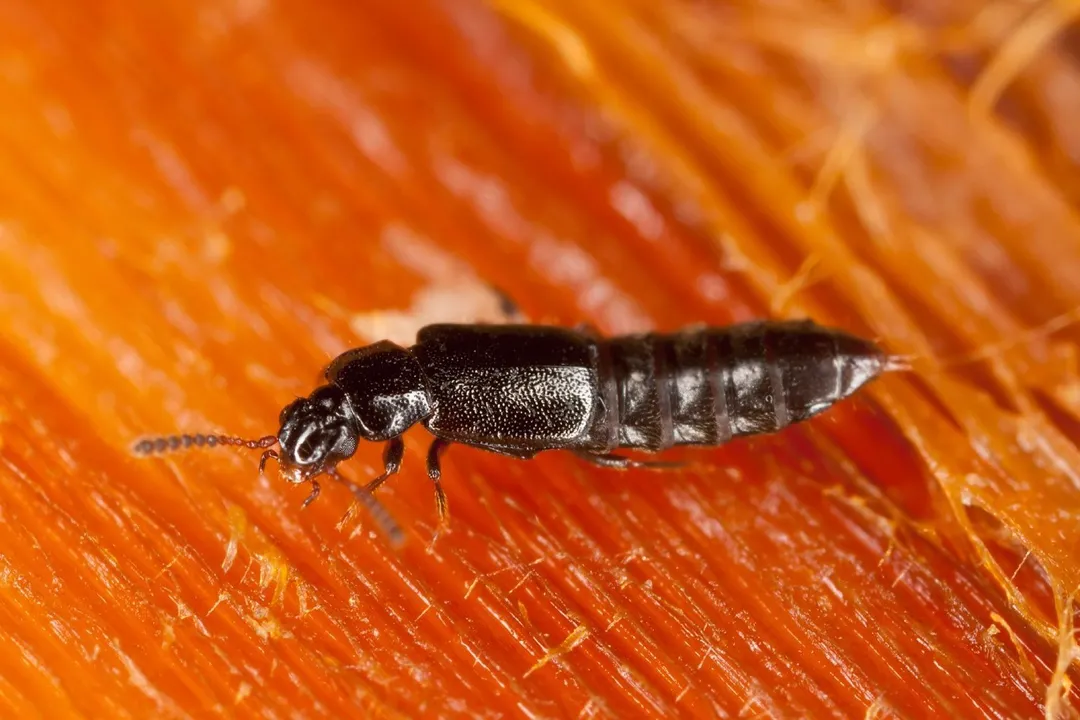
The reputation of the rove beetle as a beneficial insect stems almost entirely from the dietary preferences of its adults and, frequently, its larvae. They function as generalist predators, meaning they don't specialize in just one type of pest, which is a significant asset in maintaining garden balance.
Their menu includes a wide array of soft-bodied nuisances that plague vegetable patches and container gardens alike. Specifically, rove beetles and their young actively hunt down and consume common garden offenders such as aphids and small caterpillars. They are particularly effective hunters in moist, dark environments where many other pests thrive.
A major contribution they make, often unseen, is policing the population of smaller decomposers and pest larvae. They readily prey on the eggs and young stages of flies, effectively controlling the population of maggots that might otherwise decompose organic matter too quickly or cause localized problems. Gardeners dealing with infestations of fungus gnats, whose larvae live in damp soil and feed on roots, often find that rove beetles are quietly keeping those populations in check. Furthermore, in environments where conditions are right, they will even tackle larger, slow-moving targets like slugs and snails, particularly the smaller individuals, making them valuable nighttime patrol members.
The effectiveness of these insects lies in their constant foraging activity within the top layers of soil and under leaf litter. Unlike some predators that wait for prey, the rove beetle is an active hunter, contributing to overall ecosystem health by consuming many different small invertebrates.
# Preferred Environments
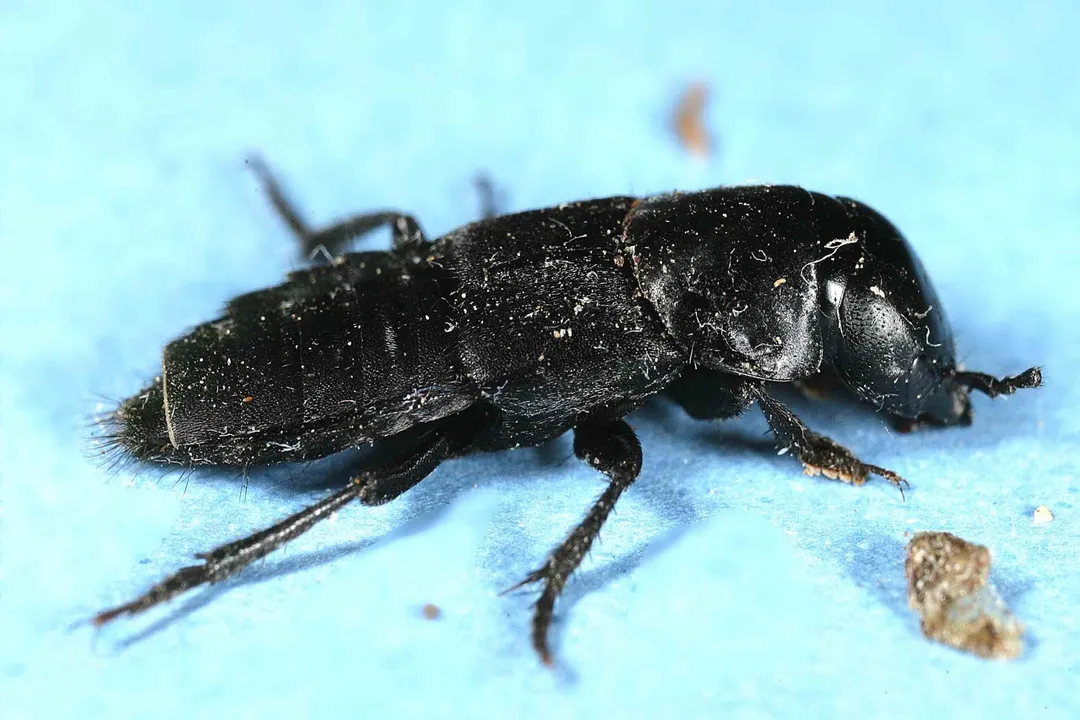
Understanding where rove beetles spend their time is crucial for appreciating their role and for knowing where to expect them. They absolutely require moisture and darkness to thrive. If you are looking for them, you are likely to find them congregating under items that retain humidity and block light: thick layers of mulch, damp leaf litter, stones, decaying wood, or boards lying on the ground.
This requirement for dampness is a direct advantage for the gardener, as it means the beetles are concentrating their predatory efforts in the very areas where moisture-loving pests like fungus gnats, springtails, and fungal gnats flourish.
When considering garden upkeep, one can note that practices which maintain soil moisture and provide cover—such as using a thick layer of organic mulch—will inherently encourage a healthy population of these beneficial predators. Conversely, excessively dry, sterile soil conditions will naturally cause them to seek shelter elsewhere or reduce their numbers.
# Potential Interactions
While their predatory role is overwhelmingly positive, it is important to note that rove beetles are not entirely without the potential for negative interaction, though this is often overstated for the common garden species. As generalist arthropods, they possess defenses. Some species are known to bite if they feel trapped or directly handled, though these bites are typically not medically significant for humans or pets.
A more specific concern, noted in discussions about larger or more unusual specimens, relates to certain species' ability to secrete defensive chemicals. When aggressively handled or crushed, some rove beetles can release irritants that may cause skin irritation or, in rare cases with specific species, chemical burns. However, this defensive mechanism is usually reserved for confrontations with larger animals or aggressive handling, and it is not a trait commonly associated with the routine presence of the beneficial types found actively hunting pests in the average garden bed. A simple rule of thumb, applicable to nearly all wild insects, applies here: observe them from a distance, and avoid picking them up unnecessarily.
# Integrating Predators
One insight for the active gardener is to view the rove beetle not just as an insect to tolerate, but as a component of a living soil system that needs specific conditions to thrive. Because they require dark, moist hiding spots, managing garden debris becomes a way to manage beneficial insect populations. Instead of immediately clearing every dead leaf or piece of bark, leaving small, shaded, moist areas under a layer of aged wood chips or leaf litter near vegetable rows can create an ideal harbor for these beetles. This natural "beetle hotel" encourages them to remain active in the upper soil layer where many root-zone pests reside, offering ongoing, year-round pest management without added cost or intervention.
It is useful to compare the general risk profile. While a rove beetle might bite or irritate skin in defense, the pests they control—like large slug populations or severe root damage from fungus gnat larvae—cause tangible, visible damage to crops. The risk associated with the beetle is almost entirely negligible compared to the economic or aesthetic damage caused by the organisms they suppress. Therefore, the decision leans heavily toward encouraging their presence as a natural form of insurance against common soil-dwelling pests.
# Summary of Role
Rove beetles stand out in the world of beneficial insects primarily because of their broad diet and their ability to hunt in places where many other predators cannot easily access—the damp, cluttered spaces near the soil surface. They are effective, naturally occurring biological control agents that operate continuously when conditions are right. They are not generally recognized as structural pests, nor do they typically inflict damage on plants. For the gardener focused on reducing reliance on chemical treatments, understanding and encouraging the presence of these hard-working, if sometimes startlingly quick, predators is a sound ecological choice. Their long bodies and short wing covers are the hallmarks of an insect that prefers to stay close to the damp ground, hunting the very pests that threaten seedlings and maturing plants alike.
Related Questions
#Citations
Is A Rove Beetle Good Or Bad - Gardening Know How
Rove Beetles - Good or bad? Details below : r/gardening - Reddit
Rove Beetle - Cornell CALS
Predatory Beetles : Rove beetles - Hortsense
Rove Beetles | Facts & Identification, Control & Prevention
Rove Beetles (Staphylinidae) - Wisconsin Horticulture
Rove Beetle Insect Facts - A-Z Animals
Are rove beetles bad for gardens? - Facebook
Rove Beetle | Yard and Garden - Iowa State University