Are possums good or bad in the backyard?
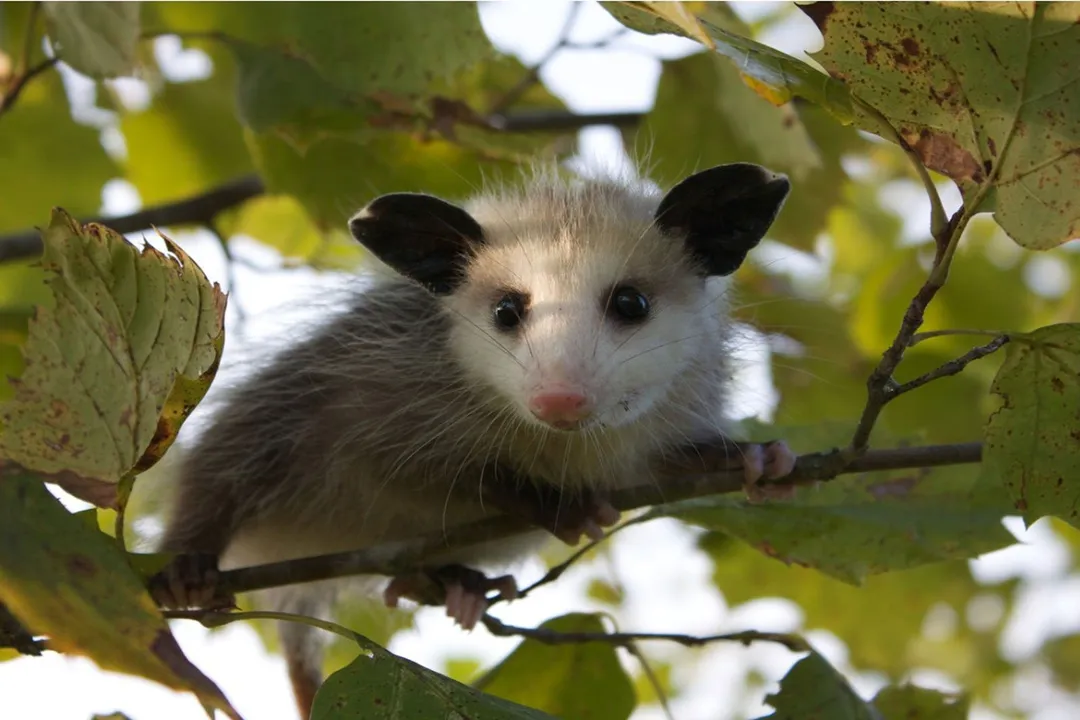
The presence of a nocturnal marsupial in the yard often sparks immediate debate among homeowners about whether the creature is a welcome guest or an unwelcome intruder. While many folks casually refer to them as "possums," in North America, these animals are technically opossums, the continent's only native marsupial. [5] Whether this animal is ultimately deemed good or bad depends heavily on which of its behaviors you witness most often: its relentless appetite for garden pests or its habit of raiding unsecured trash bins. [7][10]
# Pest Consumption
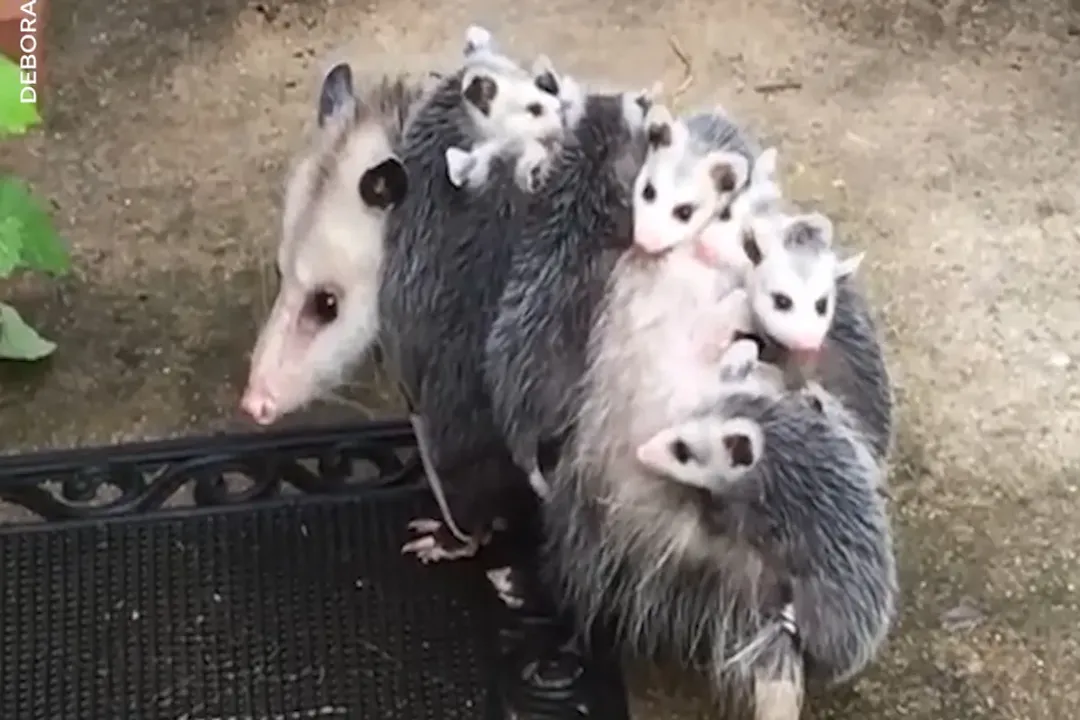
Opossums are often unsung heroes in the garden ecosystem, primarily because of what they eat. [9] They are opportunistic omnivores, which means they consume a very wide variety of items, many of which are considered nuisances by people tending to their landscaping or vegetable patches. [9]
One of the most significant ecological services they provide relates to tick populations. [9] A single opossum has been documented consuming thousands of ticks in a season. [9] Considering the health risks associated with ticks, this natural predator offers a substantial, ongoing reduction of these pests around the property perimeter. To put this into perspective, if your yard is heavily wooded, an opossum’s foraging habits might offer more consistent, broad-spectrum tick control than a single, scheduled chemical treatment application. [9] They actively groom and eat ticks they pick up, often dropping them where they are quickly desiccated, which lowers the overall tick viability in the area. [9]
Beyond ticks, they are quite helpful in managing other common garden invaders. Snails and slugs, which can decimate tender seedlings overnight, fall prey to the opossum’s diet. [9][10] They also consume insects, carrion, and even fallen fruit. [8] If you are dealing with rodents like mice or rats, an opossum passing through can certainly reduce their numbers, as they will readily eat these small mammals. [4] Furthermore, they are one of the few local animals known to sometimes eat venomous snakes, such as copperheads. [4] This tendency to clean up the environment by consuming decay and pests means they act as vital, mobile sanitation units. [8]
# Property Issues
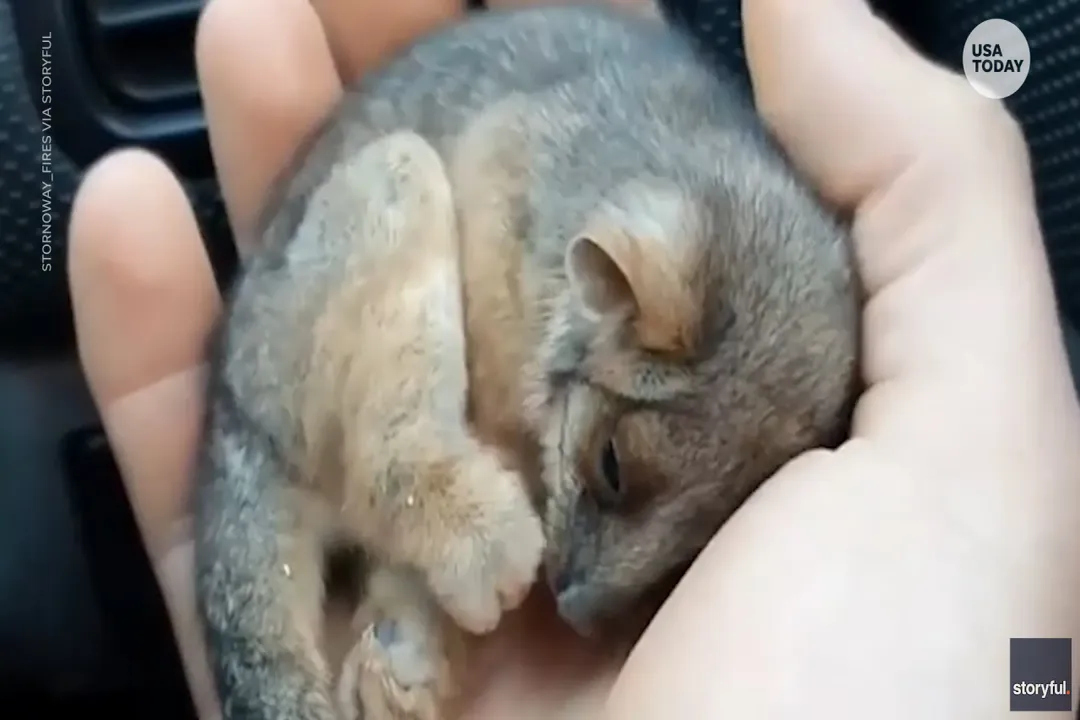
Despite their considerable benefits in pest control, opossums can certainly transition into being perceived as bad neighbors when their needs conflict with human domesticity. [2][10] Their primary negative impact stems from their opportunistic search for food and shelter. [2]
Because they are largely nocturnal, they are often only noticed when they are rummaging through unsecured garbage cans, scattering refuse across the driveway or lawn. [8] This habit is an easy way for them to secure a high-calorie meal, but it creates significant cleanup for the resident. [2] If food sources are readily available, an opossum may become accustomed to visiting the same area regularly. [7]
Shelter is another point of contention. Opossums do not typically excavate their own dens; instead, they look for existing cavities. [2] This means that common backyard structures become attractive targets. Areas beneath porches, decks, sheds, woodpiles, or even in crawlspaces or attics can become temporary or long-term dens. [1][2] While denning under a structure, they may defecate or urinate, leading to odor and potential staining or contamination of the underlying ground or foundation materials. [7] They are also known to raid vegetable gardens or chew on fallen birdseed, although their damage is usually less systematic than that caused by animals like raccoons or deer. [10]
It is important to distinguish between the animal seeking a temporary resting spot and one trying to establish a permanent, damaging residence. An opossum using your shed for a night or two during heavy rain is different from a female raising a litter in your attic, though both require management. [1]
# Safety Reality
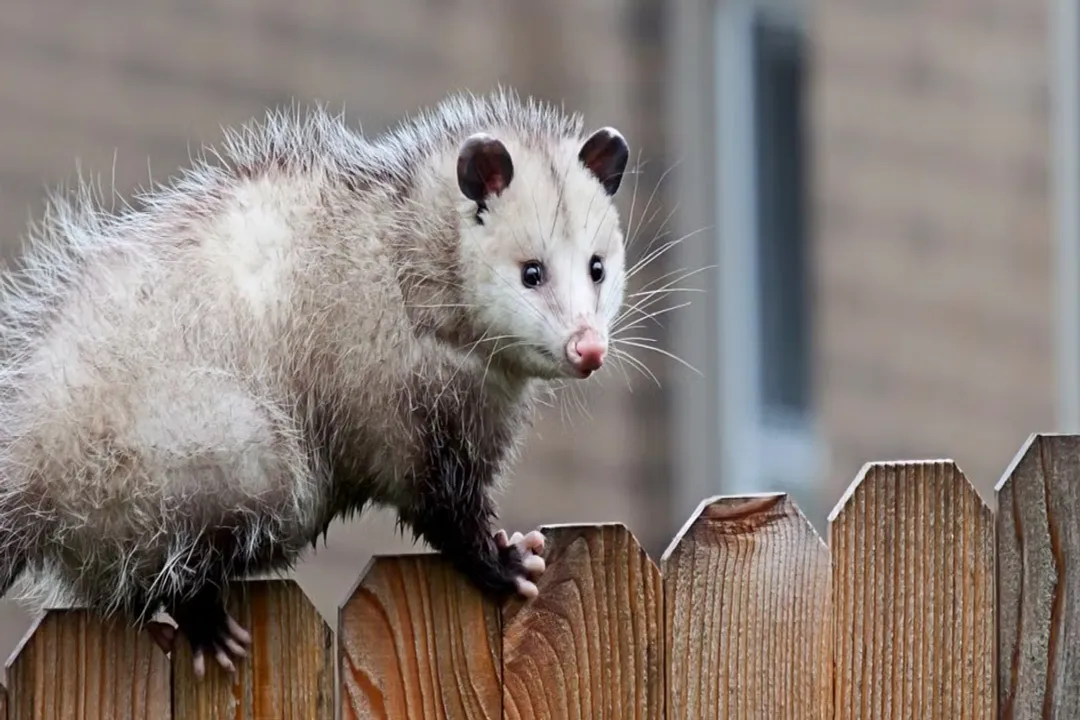
When deciding whether an opossum is "good" or "bad," safety and health concerns must be addressed honestly. People often worry about aggression or disease transmission when a wild animal is nearby. [6]
In terms of aggression, opossums are overwhelmingly non-confrontational. [4] Their primary defense mechanism is the famous "playing dead," known scientifically as tonic immobility, which often occurs when they feel cornered or threatened. [4] They are not prone to attacking humans or pets simply for existing near them. [6] If an opossum hisses, growls, or displays its teeth, it is usually signaling extreme fear and telling you to back away. [4] Direct aggressive behavior toward pets or people is exceptionally rare unless the animal is injured or protecting its young. [6]
Regarding disease, the biggest concern often cited is rabies. However, opossums have a much lower incidence of rabies compared to many other common wildlife species like raccoons or skunks. [4] Their lower body temperature is thought to make it more difficult for the rabies virus to thrive. [4] While they can contract the disease, it is not common. [6] More likely carriers of disease or parasites are fleas and ticks that may hitch a ride on the opossum when it passes through the yard. [4] If an animal is acting strangely—wandering during the day with no apparent injury or showing uncharacteristic aggression—it is best to keep a respectful distance and contact local animal control, as this unusual behavior, regardless of the species, warrants caution. [6]
# Coexistence Methods
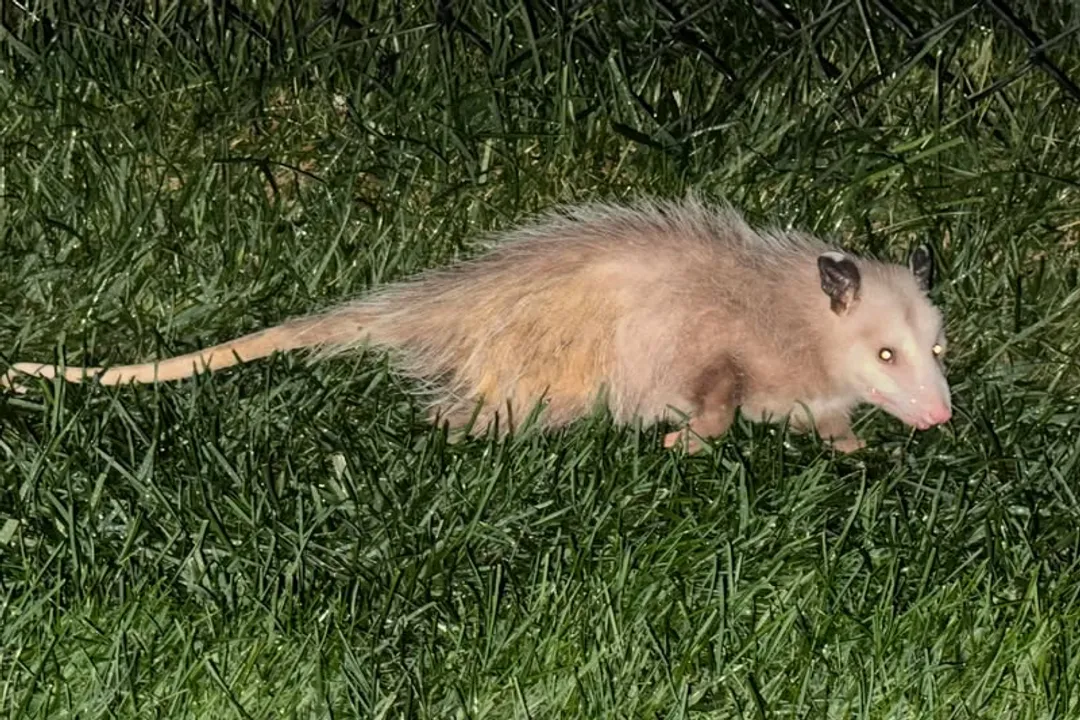
If you have decided the opossum is more of a benefit than a burden, or if you simply want to encourage it to stay in the yard but away from the house, management focuses on making the property less appealing for shelter and food security. [3][10]
Securing food sources is the first and most effective step. This means using cans with tight-fitting lids or securing garbage bins with bungee cords or locking mechanisms. [2] Any pet food left outside should be brought in nightly, as this is a major attractant. [10] If you have fruit trees, picking up fallen fruit regularly minimizes another easy food source. [9]
Exclusion is the best strategy for preventing them from denning under structures. [2][10] This involves inspecting the perimeter of sheds, decks, and porches and sealing any openings larger than about three inches using heavy-duty wire mesh or hardware cloth. [2] When sealing entry points, it is critical to ensure the animal is not already trapped inside, as a trapped animal may cause more damage trying to escape. [3] If you suspect an animal is denning, waiting a few nights to see if it leaves on its own after its food source has been secured may work, as they often move on if the easy foraging stops. [2]
An interesting way to encourage them to stay near the perimeter rather than under structures is to offer a highly appealing, yet safe, alternative den site away from the house. [10] This might involve creating a brush pile in a far corner of the yard. While they usually prefer existing structures, presenting a dense, sheltered spot that offers better cover than a tight crawlspace can sometimes draw them away from your foundation. This strategy relies on understanding that the animal seeks protection first and foremost. [2]
If you encounter an opossum frequently, remember that humane options are usually preferred over removal. In many locations, relocating wildlife like opossums is either illegal or ineffective because they often return or another animal simply takes their place. [3] Understanding that they are short-term residents, often moving on after a few weeks unless resources are abundant, helps temper the urge to immediately trap and remove them. [8] Ultimately, a yard without opossums might end up with higher populations of ticks, slugs, and perhaps even rodents. [9]
Related Questions
#Citations
Just found out there is an opossum living in my backyard ... - Reddit
Are opossums a backyard nuisance or ally? - Critter Control
What to do about opossums | Humane World for Animals
Are possums dangerous? Here's how opossums can help and harm.
Opossums in the backyard: beneficial to humans - Facebook
Is It Dangerous To Have Opossums Hanging Around My Yard In Katy?
Is it bad to have a possum in your yard? - Quora
Opossum In My Yard!
Benefits Of Opossums: Are Possums Good To Have Around
Opossums: Good or Bad for the Garden? - HGTV