Are Peagles good for first-time owners?

Deciding whether a Beagle is the right companion for a novice dog owner is rarely a simple yes or no answer; it hinges entirely on aligning the breed’s inherent characteristics with the prospective owner’s daily reality and commitment level. This merry little scent hound, ranked highly in popularity by organizations like the American Kennel Club, brings immense charm and loyalty, but their ancient instincts create unique challenges that first-timers must fully appreciate. [2] They are often recommended due to their generally friendly nature and lower grooming demands compared to long-haired breeds, yet their stubborn streak and drive to follow a scent trail can quickly overwhelm someone inexperienced in managing strong canine motivation. [3][2]
# Temperament Friends

Beagles are generally described as sociable, outgoing, and affectionate dogs. [2] Bred to work in packs, they typically get along well with humans, including strangers, and often coexist peacefully with cats and other dogs. [2] Their laid-back attitude, especially once they move past puppyhood, contributes to them being quite patient, which is a major pro when interacting with children. [3] However, this friendliness means they make very poor guard dogs; they are too eager to befriend an intruder. [3]
The core of the Beagle temperament, which is a point of both attraction and difficulty, lies in their independence inherited from their tracking heritage. [3] They are pack animals who thrive on being involved in family life, meaning they do not do well when left isolated for long stretches. [2] Owners frequently report that separation can quickly lead to anxiety, destructive tendencies, or excessive noise. [2] While they possess an engaging personality that owners grow to love, first-timers should anticipate a dog that follows its own agenda rather than always seeking immediate owner approval.
# Training Hurdles
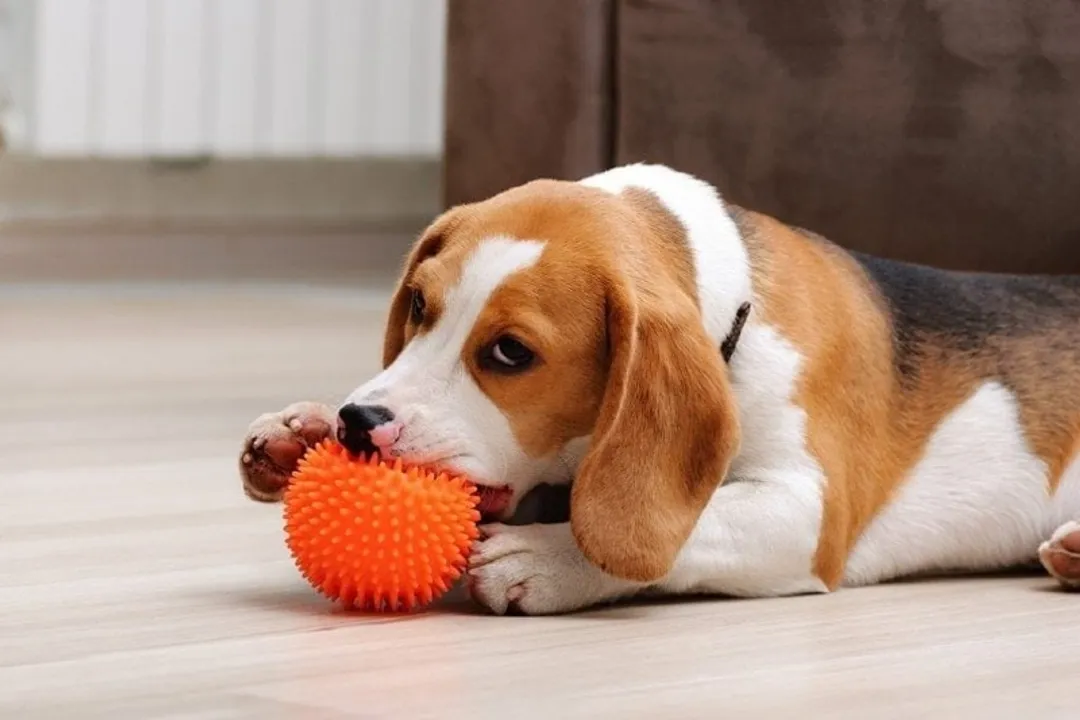
The intelligence of a Beagle is specialized; they excel at tracking scents but do not naturally excel at human-style obedience. [3] This distinction is critical for new owners. The breed’s stubborn nature, stemming from a history where hunting instincts mattered more than rote obedience, often makes training a significant test of patience. [2] Many experienced owners caution that Beagles are among the most challenging breeds to train when compared to others.
House training can be particularly slow and frustrating. One owner detailed an extremely difficult early period where their puppy routinely soiled its crate, requiring nightly cleanups of bedding and baths for the dog—a situation that persisted for months until a diet change seemed to help. This potential for extended house-training issues is something a first-timer needs to be mentally prepared for, as the cheerful demeanor waiting at the door doesn't always correlate with immediate house manners. Furthermore, they are not reliable off-leash dogs. That nose dictates their world; if a compelling scent trail appears, commands like "come" become instantly irrelevant, meaning the dog can easily wander off and become lost. [3][2] Therefore, confinement, whether via a secure fence or a leash, is non-negotiable for their safety. [3]

# Commitment Required

While Beagles are sometimes labeled "low maintenance" regarding their coat, their actual time requirement centers around activity and companionship, which can be unexpectedly high for a novice owner. [3][2] They need consistent physical activity to remain healthy and prevent obesity, as their food-driven nature means they will readily overeat if allowed. [2] A common recommendation centers on aiming for at least an hour of dedicated physical activity daily, encompassing walks, runs, or intense playtime.
What truly separates the Beagle commitment from other breeds is the cumulative time spent managing their instincts. Consider this: if a first-time owner dedicates an hour for a morning walk before work, another hour and a half for an evening walk, and perhaps half an hour before bed, that’s already two full hours of dedicated outdoor time, not counting training sessions or necessary playtime. Layering this on top of the extra time needed to manage potential behavioral fallout—like cleaning up a destroyed shoe or dealing with extended house-training accidents—means the daily investment in a Beagle puppy can easily approach three or four intensive hours just to keep them physically and emotionally sound. [2] Owners must be willing to occasionally place their dog's needs before their immediate social life. For those considering college or a demanding schedule, forum members strongly advise against bringing home a puppy, suggesting that a second person or a mature adult dog might be a more realistic starting point.
# Noise Factor
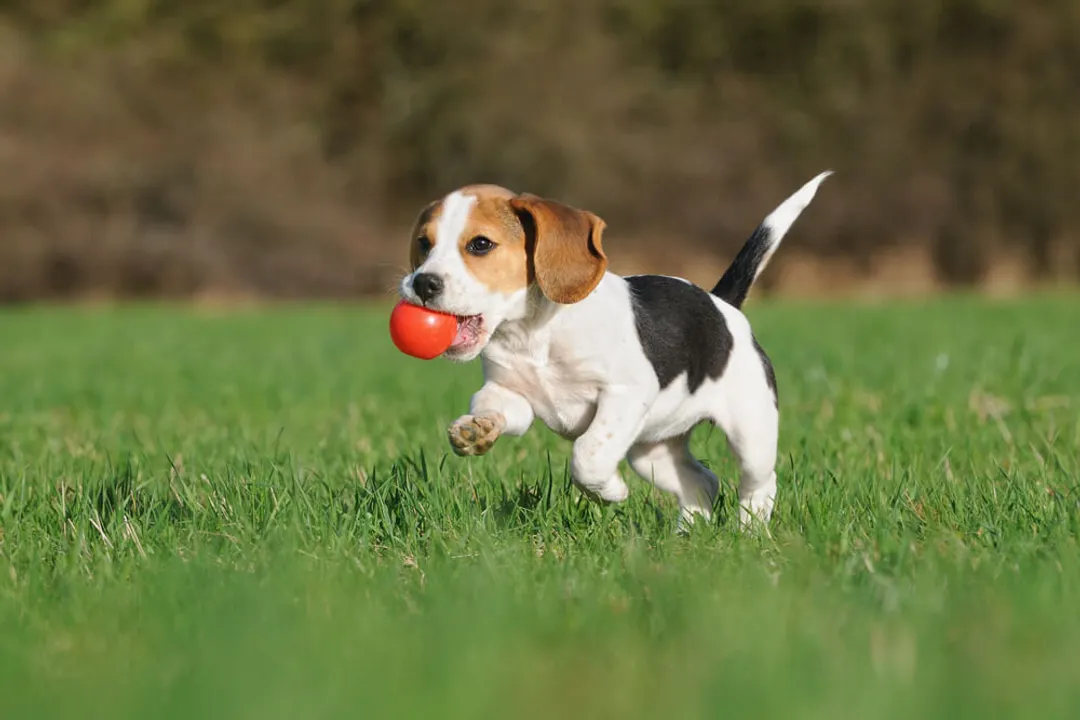
The Beagle voice is distinctive and powerful. They do not typically yip or bark constantly like some smaller breeds, but when they do vocalize, it is loud. [3] Their noise is often a bay—a long, resonant sound that mixes a bark and a howl, historically developed so hunters could locate them in the woods. [3] This sound travels exceptionally well, which can cause issues in close-knit neighborhoods. [2] If left alone or bored, the potential for excessive howling and baying increases significantly. [3] While early training can help temper some excessive vocalization, a first-timer must accept that some level of unique Beagle sound is simply part of the breed standard.

# Size and Health
Physically, Beagles are compact, sturdy, small-to-medium-sized dogs, usually weighing between 20 and 30 pounds and standing under 15 inches tall. [3] This size makes them adaptable to various settings, including apartments, provided their exercise and companionship needs are met. [3][2] They have a short, dense coat that requires only moderate brushing, minimizing professional grooming costs. [2] Regular maintenance should focus on checking their floppy ears weekly to prevent infections, which can occur because the shape traps moisture, and keeping teeth and nails trimmed. [2][3]
Health-wise, Beagles can be quite hardy, especially those from working lines, which historically prioritized function and stamina over looks. [3] They can often live for 15 years or more. [3] However, they are prone to certain genetic conditions, including epilepsy (often manageable with medication) and hypothyroidism. [3] Furthermore, their body structure—shorter legs relative to a long back—makes them susceptible to spinal injuries. [2] Potential first-time owners should investigate potential breeders carefully, as the choice between show and working lines can affect the likelihood of inheriting these specific genetic predispositions. [2] If one chooses a puppy from a line prioritizing aesthetics, they might see higher occurrences of unique breed issues like MLS (a purely cosmetic disorder affecting eye slant) or the developmental regression known as "funny puppy" syndrome. [2]
# Suitability Assessment
Ultimately, determining suitability is a lifestyle audit. If a potential owner works outside the home and expects the dog to be alone for eight to ten hours daily, a Beagle is likely not the best fit, as this isolation often precipitates the exact behaviors—excessive barking, anxiety, destruction—that first-time owners struggle to manage. [2] The breed generally thrives best when left alone for no more than four or five hours a day. [2]
A useful exercise for prospective first-time owners is to test the commitment before adoption. Since many existing owners suggest fostering a Beagle or spending an extended period caring for a friend's dog, this provides a real-world trial run. If an owner finds themselves already strained by the required daily walks and the need for constant supervision to prevent scent-chasing escapades, they are likely not prepared for the persistent demands of a Beagle puppy. Beagles forgive training mistakes, but they do not forgive neglect of their fundamental needs for interaction and mental engagement, making consistency the true measure of readiness for this breed. [2]
Related Questions
#Citations
Are Beagles Good for First-Time Dog Owners? Care & Traits ...
8 Beagle Pros And Cons: Is A Beagle The Right Dog For You?
Should I get a Beagle as my first dog?
Everything About Beagles: History, Care, and Health