Which damage vector targets the structural integrity of groundcover rather than causing aesthetic damage to tree canopies?
Answer
The unseen larvae severing roots
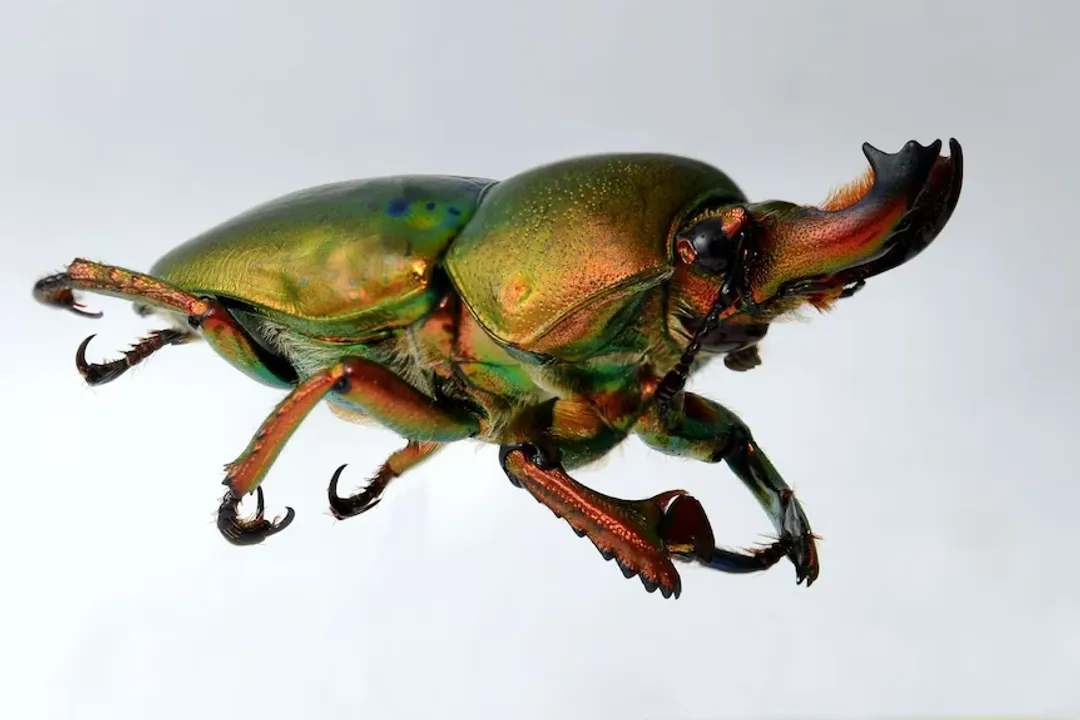
A crucial distinction in the ecological impact of the Christmas beetle lies in comparing the damage vectors between the two main life stages. The adult beetles are responsible for aesthetic damage because they consume foliage, causing defoliation on eucalyptus canopies, which is visible externally. In sharp contrast, the unseen larvae, the curl grubs, actively sever grass roots underground. This subterranean activity directly compromises the structural integrity of lawns and pasture by destroying the foundational nutrient supply, which can lead to widespread lawn death, a much more fundamental threat than the surface-level aesthetic damage caused by the adults.
Related Questions
To what family of insects, including chafers and dung beetles, do Christmas beetles of the genus Anoplognathus belong?What specific food source do the C-shaped white grubs, referred to as curl grubs, consume beneath the lawn or turf?What is the primary sustenance for the adult Christmas beetles during their visible phase?How are male Christmas beetles often distinguished visually from the females of their species?What range describes the general body length for a substantial adult Christmas beetle specimen?What common descriptive name is applied to the C-shaped white grubs that develop underground before pupation?The species commonly known as Christmas beetles, belonging to the Anoplognathus genus, are native to which continent and most strongly felt along which coast?Which damage vector targets the structural integrity of groundcover rather than causing aesthetic damage to tree canopies?What climatic conditions typically trigger the synchronized emergence of mature Christmas beetles in Eastern Australia?What fundamental nocturnal activity of the adult Christmas beetles frequently results in them entering homes?