What is the purpose of a Christmas beetle?
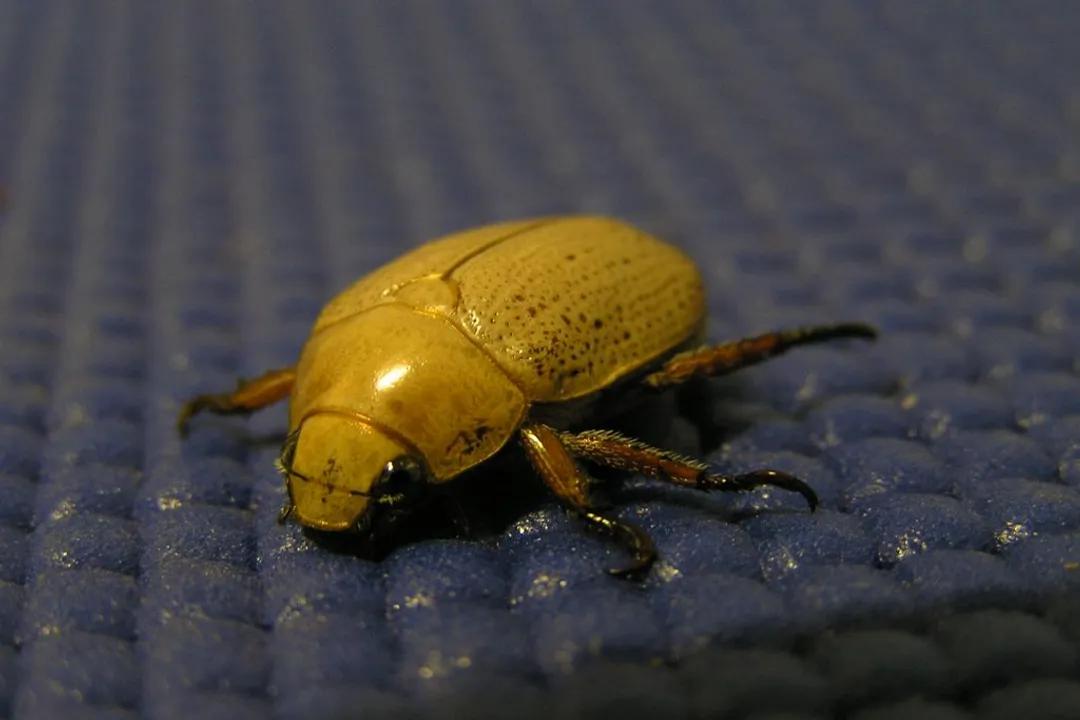
The appearance of the shiny, metallic scarab beetle is a quintessential marker of the Australian summer, often timed conveniently near the December holidays, leading to its common name, the Christmas beetle. However, understanding their purpose goes far deeper than simply being a festive insect; it involves a critical, if sometimes unseen, contribution to the health and balance of their native environments. Belonging to the genus Anoplognathus, these creatures are part of the large beetle family Scarabaeidae. Their entire life cycle, which spans almost a year, dictates their distinct ecological functions, separating the leaf-eating adult from the root-eating juvenile.
# Beetle Identity
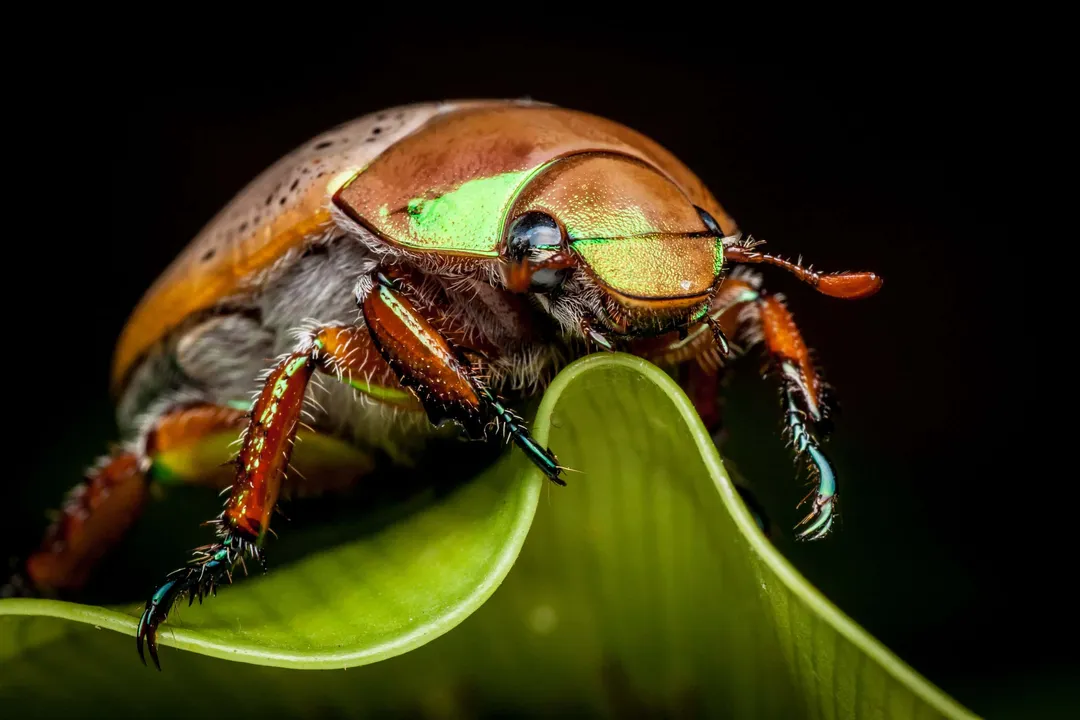
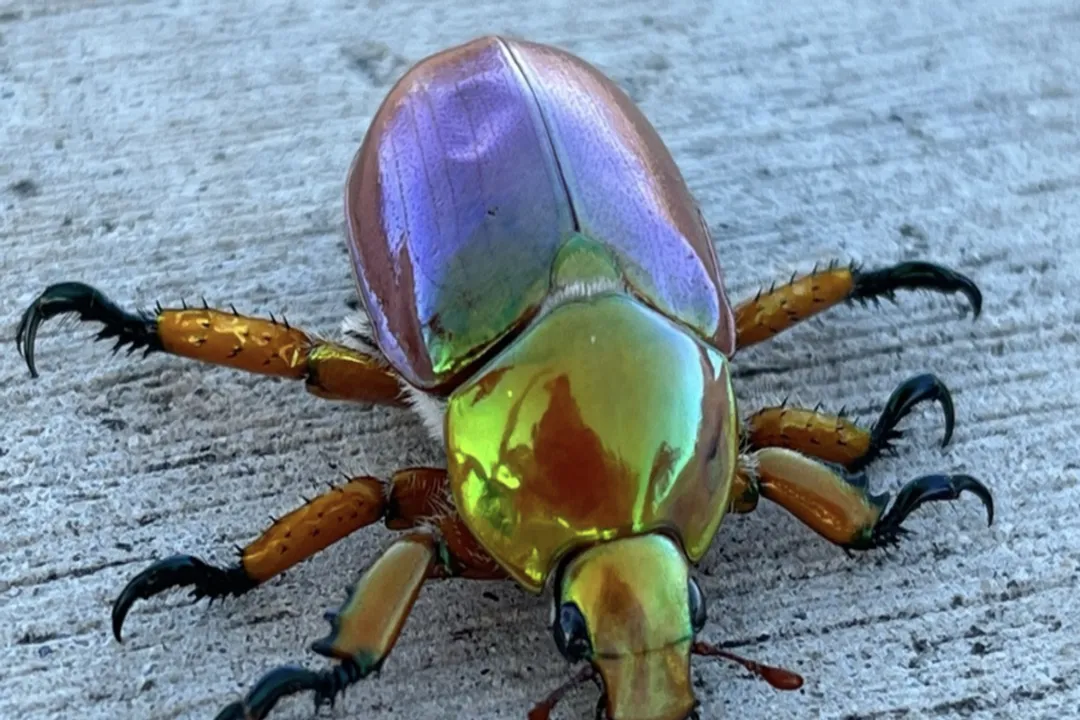
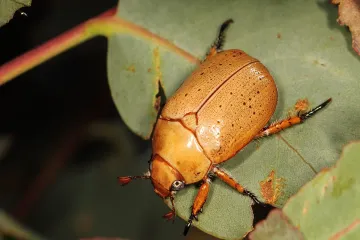
Christmas beetles are striking insects, often boasting vivid, iridescent colours ranging from coppery bronze and gold to bright greens. These colours are not just for show; they reflect light in unique ways depending on the species, though exact identification requires close examination. Size varies considerably across the more than 35 species found in Australia, with some reaching lengths up to . The timing of their emergence is what grants them their familiar name, as adults typically begin appearing in large numbers as the weather warms up through December. This strong association with the holiday period has cemented their place in the cultural memory of many Australians.
# Ecological Function
The purpose of the Christmas beetle in the ecosystem is twofold, driven entirely by its two primary feeding stages: the adult and the larva.
# Adult Diets
Once they emerge from the soil, the adult beetles focus primarily on feeding and reproduction. Their diet centers around the foliage of Eucalyptus trees. While a single beetle's contribution might seem negligible, when they emerge en masse, their collective feeding habits can cause noticeable defoliation on some trees. This interaction establishes them as primary consumers in the tree canopy environment. In an ecosystem where many insects consume plant matter, the Christmas beetle occupies a specific niche within the Eucalyptus feeding guild, helping to cycle nutrients locked up in the leaves back into the system through insect waste and eventual decomposition.
# Larval Roles
Perhaps the most significant, yet least seen, purpose of the Christmas beetle lies in its larval stage, commonly known as the white curl grub. These larvae spend the majority of their existence—sometimes up to ten months—underground. Their food source is the root material of grasses, and they consume these roots to fuel their growth before pupating. This root-feeding activity serves a vital, though sometimes disruptive, purpose: it prunes and processes root matter in the soil. When beetle populations are balanced, this pruning can be beneficial, helping to aerate the soil and incorporate organic matter. However, an overabundance of larvae can lead to significant lawn damage, as they chew through the network holding the turf together. The very mechanism that sustains the adult beetle population—the grub feeding underground—directly ties the beetle's survival to the health of the understorey and turf systems.
It is fascinating to consider the complete shift in dietary strategy between life stages. The adult beetle, visible and feeding high in the canopy, is wholly dependent on the success of the subterranean grub that has been diligently processing grass roots for months prior. This lifecycle strategy means the beetle's impact is split between two distinct environments: the canopy and the soil substrate.
# Food Web Position
Beyond their direct interactions with plants, Christmas beetles serve as an important energy source for other native wildlife. As brightly coloured, often abundant insects during the peak summer months, they become a readily available prey item for birds, reptiles, and other insectivores. This transfer of energy from plant life (via the beetle) up to higher trophic levels is fundamental to supporting the biodiversity of the local fauna. Their presence, therefore, signals a time of relative resource availability for predators across the landscape.
# Life Cycle Dynamics
To fully appreciate their purpose, one must trace the seasonal cycle. The entire life cycle typically takes about one year to complete. Eggs are laid in the soil, usually near grass roots, around the end of summer or early autumn. The resulting larvae hatch and immediately begin their subterranean feeding phase, growing through several instars until they are large grubs. As summer approaches again, the mature larva pupates within the soil. Shortly after this transformation, the adult beetle bores its way to the surface, often timed perfectly with the warmer December weather, completing the cycle.
It is worth noting that while the Anoplognathus species are the focus, the term "Christmas beetle" is sometimes loosely applied to other shiny beetles that appear around the same time, which can muddy ecological observations if not accounted for. However, the established purpose revolves around these specific Anoplognathus species.
# Recent Changes in Presence
A significant discussion surrounding Christmas beetles in recent years has centered on their apparent disappearance or sharp reduction in numbers in many areas of Australia. Reports from citizens and anecdotal evidence suggest that the expected swarms of past decades are now much smaller, leading some to describe the situation as a "Bah Humbug" experience for beetle enthusiasts. This decline suggests a disruption in the ecological mechanisms that previously supported large populations.
Sources point toward several potential factors contributing to this decline, creating a complex situation regarding the beetle’s current purpose and future stability.
# Factors Affecting Population
One key area of concern relates to the larval food source and its environment. Changes in lawn maintenance practices, such as the increased use of broad-spectrum pesticides or fungicides applied to turf, could directly impact the survival rates of the developing grubs. Furthermore, alterations in seasonal weather patterns, such as extreme heat or changes in rainfall, could stress the delicate balance required for successful larval development and pupation.
Another contributing factor might be linked to the quality of the adult's primary food source. If the chemical composition or availability of Eucalyptus leaves shifts due to environmental stress on the trees themselves, the adults may not gain enough nutrition for successful mating and egg-laying, thus suppressing the next generation of grubs. A reduction in the number of mature, egg-laying females directly translates to fewer roots being eaten the following year, effectively breaking the established ecological service provided by the larvae. Observing this phenomenon locally, one might find that in suburbs where mature eucalypts are abundant and lawn chemical use is low, beetle numbers remain relatively stable, suggesting that the local habitat quality is a more immediate determinant of their presence than a broad national trend. This local variability highlights that the beetle's purpose is intrinsically linked to specific, intact micro-ecosystems.
# Synthesizing Ecological Value
The true purpose of the Christmas beetle, therefore, is to act as a bioindicator and a nutrient cycler. As bioindicators, their visible numbers reflect the general health of the local ecosystem—specifically the health of the Eucalyptus canopy and the underlying grass/soil environment. A sudden, sustained drop in their population, as currently observed in some regions, signals that one or more critical environmental factors supporting their life cycle are failing. Their role as nutrient cyclers is defined by their specialized diets: breaking down tough leaf litter above ground and processing fibrous roots below ground, both essential processes for soil enrichment and canopy maintenance.
If we consider the historical context of high numbers, the beetles managed canopy trimming and soil aeration on a massive scale across the landscape. Now, with lower numbers, other agents must take up that slack, or the processes may simply slow down, leading to altered soil composition or denser, less healthy canopy undergrowth over time.
To help track this crucial balance, one might keep a small, informal log over several years in one's own garden, noting not just the first sighting, but the peak number seen on a specific tree species over a two-week window in mid-summer. Comparing this personal data year-over-year provides a much more nuanced understanding of local population trends than relying solely on regional news reports, which often focus only on the most dramatic absences. This kind of ground-truthing reinforces the tangible connection between the beetle's presence and the well-being of its immediate surroundings.
# Cultural Resonance and Symbolism
While science defines the ecological purpose, the beetle also holds a purpose in the human experience. For many, the sight of these glittering insects is intertwined with summer holidays, nostalgia, and the arrival of festive times. This cultural significance means that when the beetles are absent, it is more than just an ecological event; it is the loss of a seasonal tradition. Some interpretations even assign symbolic meaning to the insect, seeing it as a representation of transformation or the energetic shift into the warmer, more active part of the year. This connection, though subjective, solidifies the importance of conservation efforts, as people are often more inclined to protect what they feel connected to. Understanding the beetle's purpose thus spans from the chemical breakdown of eucalyptus tannins to the emotional landmark of the Australian summer calendar.
Related Questions
#Citations
Christmas beetle - Wikipedia
The Importance of Australian Christmas Beetles Every ... - Facebook
Christmas beetles: Scientists ask Australians for help finding missing ...
Animal Energy - Christmas Beetle - Wildspeak
Australia has an incredible Christmas beetle, but it's gone AWOL
Christmas Beetles - Backyard Buddies
Christmas Beetle - Anoplognathus viriditarsus - A-Z Animals
Christmas Beetles: A case of bah humbug or something more sinister?