What are Christmas beetles actually called?
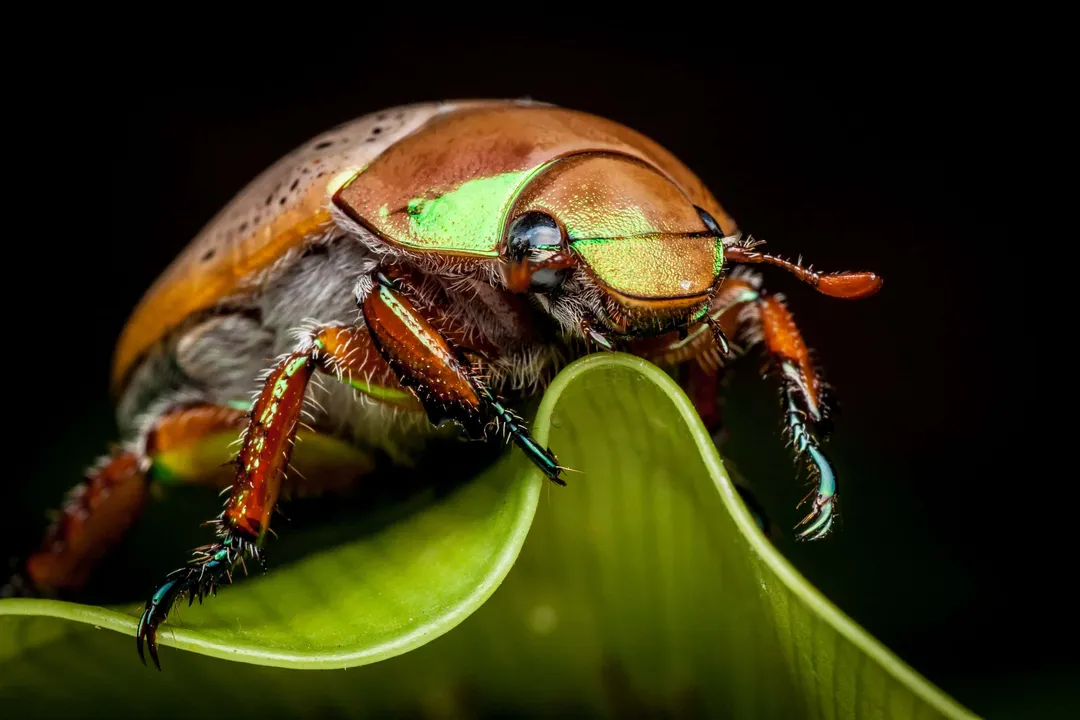
The insect commonly known in Australia as the Christmas beetle is scientifically designated within the genus Anoplognathus. [1][2][7] This group belongs to the larger family Scarabaeidae, the scarab beetles, and more specifically, the subfamily Rutelinae. [1][6] The association with Christmas is entirely based on the timing of their appearance; they typically emerge during the Australian summer months, often coinciding with the December holiday period. [1][6][9] While the name "Christmas beetle" is widely used colloquially for these specific insects, understanding their formal classification is key to differentiating them from other beetles that might share a similar common name in different parts of the world. [5]
# Genus Identification
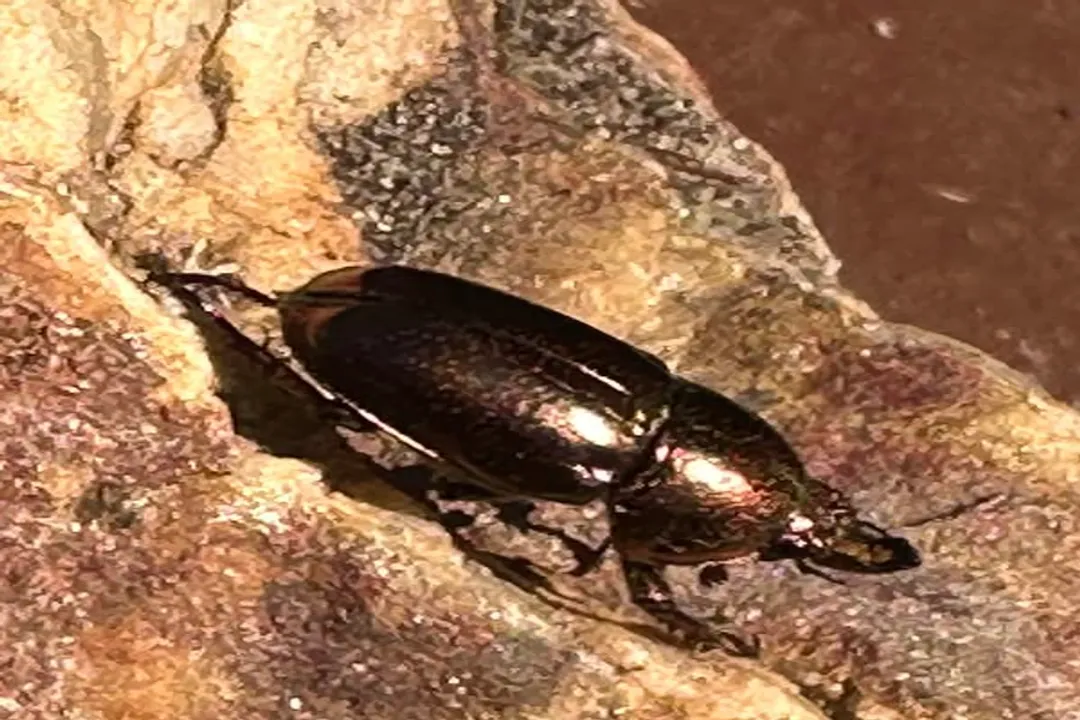
The primary identity of these iconic Australian beetles rests with the genus Anoplognathus. [2][7] This genus contains several species that are frequently seen when their populations peak. [1] When people refer to a Christmas beetle, they are usually looking at one of these specific metallic-sheened scarabs. [3] They are not a single species but rather a collection of closely related insects known by this shared moniker due to their seasonal synchronicity with the holiday. [1] Their membership in the scarab family places them alongside creatures like dung beetles and chafers, although the Anoplognathus species possess a notably distinct and often beautiful coloration that sets them apart from many of their cousins. [3][6]
# Regional Names
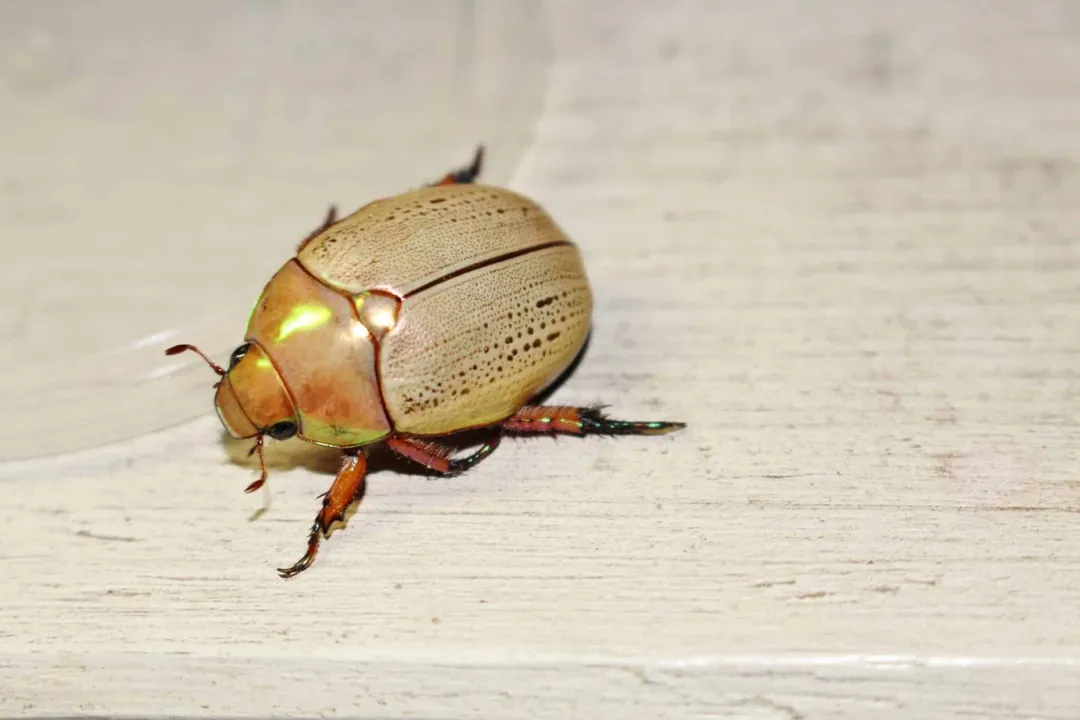
The term "Christmas beetle" seems strongly tied to the Southern Hemisphere summer, particularly in Australia where these insects are native and abundant. [3][7] In Eastern Australia, these Anoplognathus species are the default insects referenced when the common name is used. [3] However, it is interesting to note that the common name is not exclusive to the genus Anoplognathus. In other locations, such as parts of the United States, other scarab beetles might be loosely referred to as Christmas beetles simply because they appear around the same time of year. [5] For instance, some reports suggest that in West Texas, insects bearing the common name might instead belong to the genus Phyllophaga. [5] This discrepancy highlights a common issue in entomology where a popular name based on timing or appearance trumps the specific scientific classification depending on the regional context. [1] Anyone searching for information on these insects should confirm their geographic location to ensure they are looking at data pertaining to the Australian Anoplognathus rather than a distantly related look-alike found elsewhere. [5]
# Physical Traits
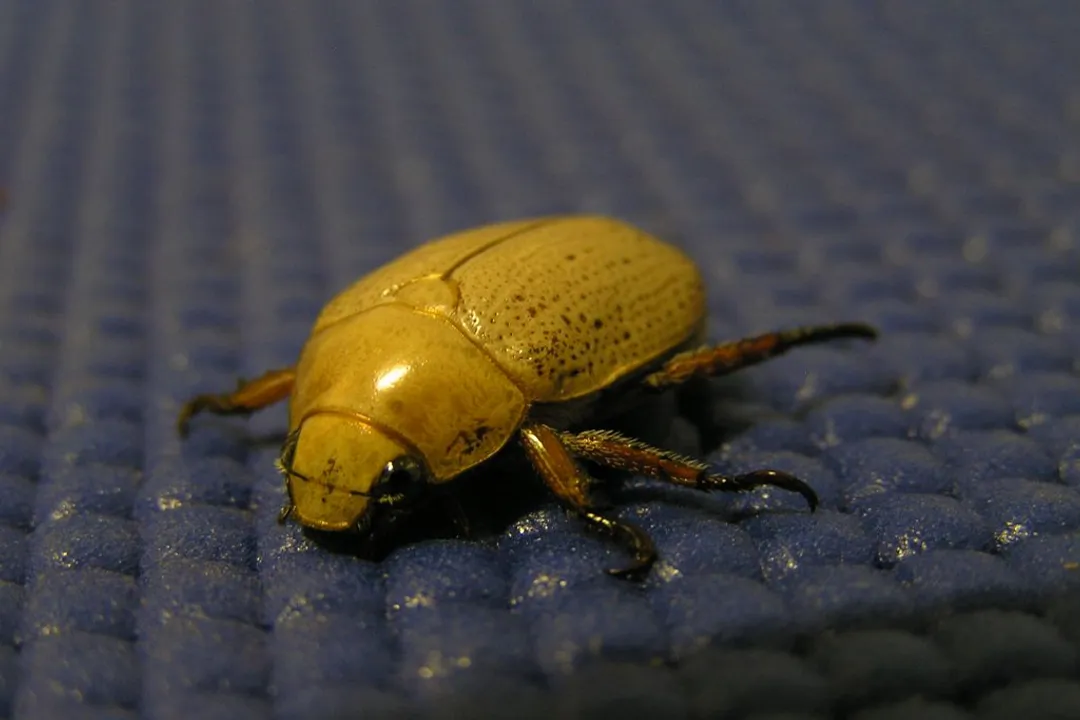
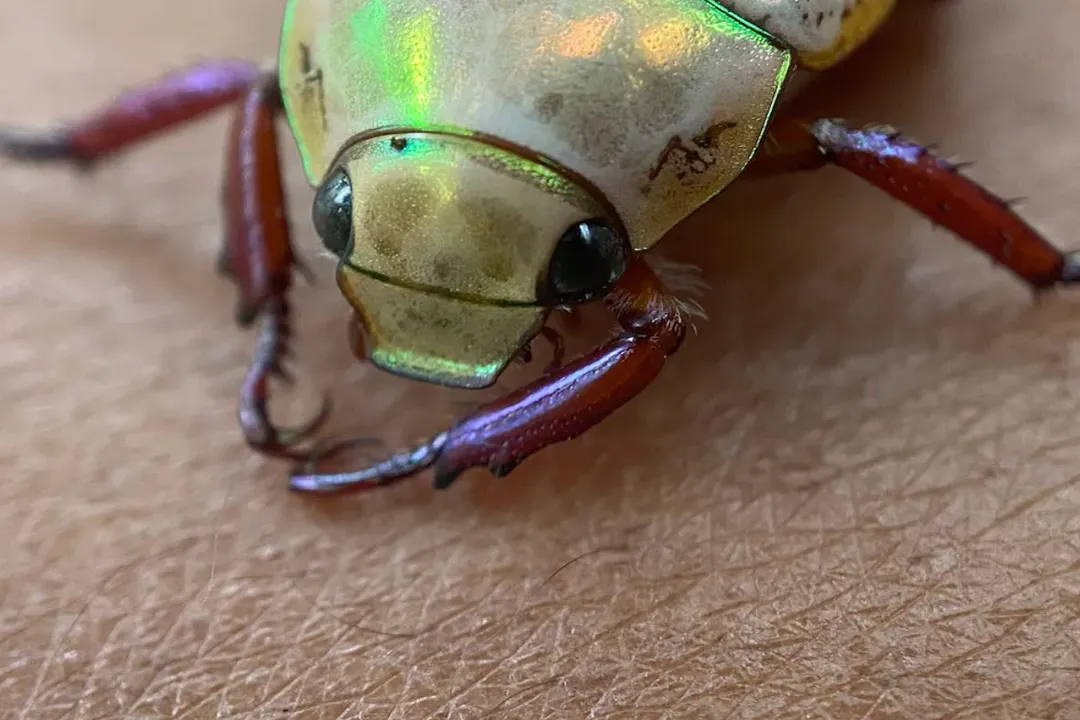
Adult Christmas beetles are generally quite noticeable, ranging in size from about 20 to 30 millimetres in length. [7] Their most striking feature is their coloration. They are famous for their iridescent, metallic sheen, which can appear as bright green, bronze, or gold. [1][7] This shimmering appearance is what often makes them so attractive to observers, despite their reputation as pests. [3] This dazzling exterior, a classic feature of many Rutelinae, serves as a visual marker that separates them from many duller, brown, or black ground beetles found in similar environments. [1] While the adults are the ones seen flying around lights and trees, their earlier form is far less conspicuous. [7]
# Life Stages
The life cycle of the Christmas beetle involves several distinct stages, beginning long before the adults make their festive appearance. [7][9] The initial stage is the egg, which hatches into a larva, commonly known as a white grub. [7] These larvae are C-shaped and typically pale or white. [1][7] The larval stage is arguably the most environmentally impactful, as they spend a significant portion of their life cycle underground, feeding voraciously on the fine roots of plants. [3][9] In native bushland, their primary food source is the roots of eucalyptus trees. [3][9] If these beetles are present in large numbers in residential areas, damage to lawns or ornamental trees can occur if the larvae target their roots, a fact that often brings them into conflict with gardeners. [9]
After this subterranean development, the mature grub pupates, eventually emerging as the familiar winged adult beetle. [7] The adult beetles shift their dietary focus entirely from roots to leaves. [3][9] They are known to chew on the foliage of various species, most commonly eucalypts. [3][9] It is worth noting that while the larvae cause damage by severing underground structures essential for water and nutrient uptake, the adults cause aesthetic damage by skeletonizing leaves above ground. [9] For property owners, understanding this two-pronged attack—roots below, leaves above—provides a clearer picture of their overall ecological impact, which can be quite severe when populations boom. [3] Effectively managing an outbreak requires targeting both stages, though the root-feeding grubs present a much greater challenge for targeted treatment than the easily visible adults. [10]
# Seasonal Emergence
The timing is everything when it comes to the common name. [6] The adults emerge from the soil, often after rain and when temperatures rise toward summer peaks, which in Australia translates directly to the weeks leading up to and including Christmas. [9] This emergence is a predictable, though sometimes sudden, event in warmer areas. [9] This synchronized appearance is the very reason they earned their festive moniker; they become a dominant feature of the evening soundscape and a common sight near outdoor lighting during the holiday season. [1] Their visibility is often brief, as the adult lifespan is relatively short, dedicated primarily to feeding and reproduction before the cycle begins anew. [6] Observing these beetles appearing en masse around the turn of the year serves as a natural, insect-based indicator that the peak of the Australian summer has arrived. [9]
# Ecological Role
As native Australian insects, the Anoplognathus species are part of the natural ecological setting. [7] In healthy, established native forests, their feeding habits, both larval and adult, are generally regulated by natural predators and environmental checks, keeping their populations in balance. [3] The striking metallic colouration, while beautiful to human eyes, likely plays a role in mate attraction or perhaps even predator warning in their natural setting. [1] When these beetles are present in small, manageable numbers, they contribute to the turnover of leaf litter and the general ecosystem processes. [9] However, like many native insects, their numbers can sometimes explode, especially following environmental changes or drought periods that might stress their preferred host plants, the eucalypts. [3][9] When this happens, their natural role as part of the scenery shifts into their pest role, leading to significant defoliation, which can stress mature trees already dealing with other environmental pressures. [9] Therefore, while they are intrinsically Australian, their impact shifts dramatically depending on population density. [7]
It is this duality—the stunning visual appeal contrasted sharply with the potential for widespread foliage loss—that makes the Christmas beetle a fascinating subject for backyard observers and arborists alike. They represent a tangible, visible connection to the Australian summer, yet their presence demands careful observation to ensure that festive appearances do not translate into sustained damage to valued local trees. [3][9]
Related Questions
#Citations
Christmas beetle
Christmas Beetles (Genus Anoplognathus)
Where have all the Christmas Beetles gone?
Is the beetle an Anoplognathus Christmas Beetle?
Keep an Eye out for the Christmas Beetles
Christmas Beetle Insect Facts - Anoplognathus viriditarsus
Christmas Beetles
Christmas beetle
People worry Christmas beetles are disappearing. We're ...
How to Get Rid of Christmas Beetles