What attracts the Christmas beetle?
The emergence of the Christmas beetle often coincides perfectly with the summer season in Australia, making them a highly visible, if sometimes unwanted, seasonal visitor. [1][4][6] What brings these iridescent insects around our homes and gardens isn't a single factor but rather a combination of ecological needs tied to their life cycle, primarily revolving around food sources for the adults and suitable environment for the next generation. [1] For many observers, the attraction is simply the light they gravitate towards after dusk, while for the observant gardener, the attraction is the presence of their preferred host trees. [1][3]
# Insect Identity
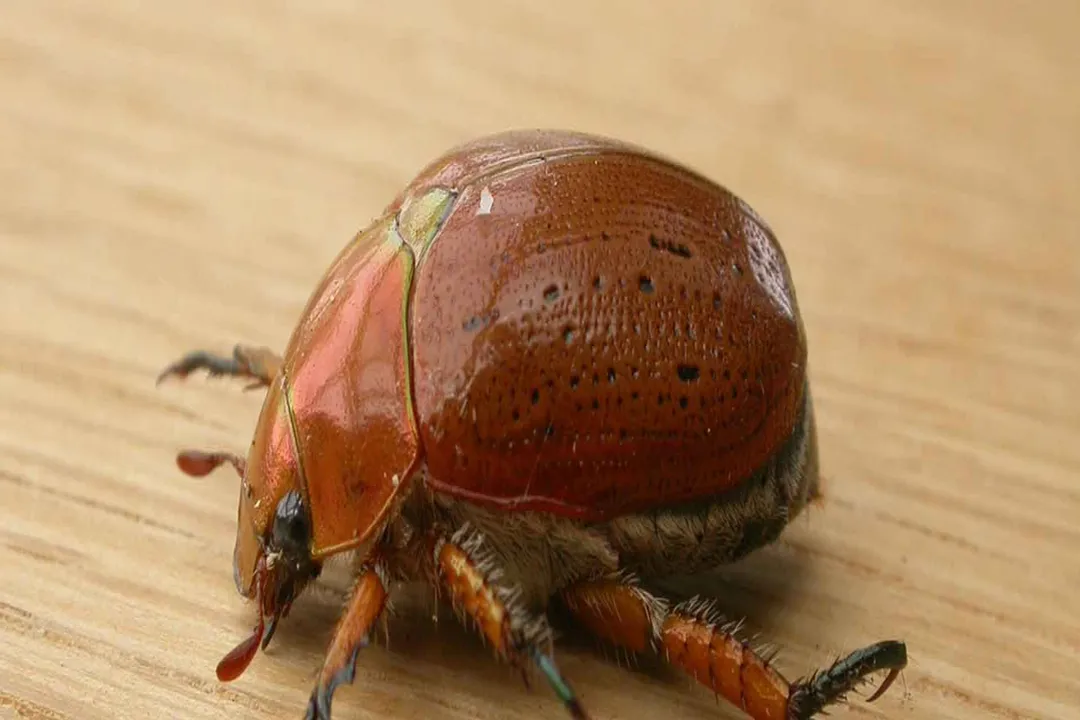
The term "Christmas beetle" refers generally to several species within the genus Anoplognathus, which are a type of scarab beetle. [9] These insects are well-known for their appearance during the warmer months, typically around the Christmas period, although their activity spans the summer. [1][6] Visually, they present a striking picture, often sporting colors like bronze or green, though some varieties, such as the Christmas Brown Beetle, are more muted in appearance. [1][5] Their presence signals the height of summer activity, and while they are natives, their feeding habits can sometimes put them at odds with human landscaping goals. [9]
# Adult Food
The most significant factor attracting the adult Christmas beetle is the availability of their specific dietary staple: eucalypt leaves. [1][9] These beetles are folivores during their adult stage, meaning their primary, essential draw to any given location is a healthy supply of gum leaves. [1] If a garden or nearby bushland is dominated by native eucalypts, it creates a powerful beacon for the beetles seeking nourishment necessary for mating and reproduction. [9]
It is interesting to note the distinction between the attraction for a mature, flying beetle and the attraction for the egg-laying female. While the adult seeks sustenance, the female is attracted to locations that offer the best chance for her offspring to survive immediately after hatching. [1] This means she is drawn to areas with appropriate host plants for the adults, which consequently places her eggs in the soil beneath them. [1]
# Nocturnal Draw
Beyond their daytime feeding habits among the foliage, Christmas beetles exhibit a strong phototaxis, which is their attraction to light. [1][3] As twilight descends, many of the adult insects become active and are drawn to artificial lights. [1] This phenomenon is a well-documented trait of many nocturnal beetles, and for Christmas beetles, it is often the most direct way they interact with human environments, sometimes landing on verandas or near windows. [3] This attraction to light, while not directly related to their food source, often brings them into close contact with people, leading to increased awareness of their presence during the season. [1] It serves as a secondary, perhaps accidental, attractant that draws them away from the dense canopy and into view.
# Larval Environment
To fully understand what attracts the Christmas beetle, one must look beneath the surface, as the larval stage requires a completely different habitat than the adult. [1] The female beetle deposits her eggs into the soil, usually near the base of those preferred eucalypt trees. [1] The resulting larvae, often called white curl grubs, thrive by feeding on the roots of grasses and turf. [1][6] Therefore, the attractiveness of a suburban lawn or grassy area to a female preparing to lay eggs is critical for the continuation of the species. [6] A lush, well-watered lawn near a mature gum tree presents an ideal nursery environment.
Observing the dual requirements—adults favoring the leaves of Eucalyptus and larvae favoring turf roots—reveals a delicate balance in their lifecycle preferences. [1][9] Where these two elements overlap, such as in a residential yard containing both established native trees and expansive lawns, the area becomes doubly attractive to the beetles at different stages of their reproductive cycle. This ecological overlap explains why certain properties seem to host higher populations than others, as they offer the complete package: adult food security and larval nursery conditions. [6]
# Managing Presence
While attraction is a natural process, gardeners sometimes seek ways to mitigate the impact of high numbers of beetles, particularly when heavy feeding occurs. [1][9] Since the primary attractant for adults is the foliage of eucalypts, understanding which local species are preferred can sometimes inform strategic planting or care, although completely removing the preferred food source is often impractical for established native trees. [1] For the subterranean grubs, managing the root systems through soil health and avoiding overwatering during the laying season might offer some control, though the grubs themselves are famously hard to target directly without harming the lawn. [6]
One management consideration that arises from their attraction patterns involves understanding the local ecosystem context. For instance, in areas where Anoplognathus species are abundant, a garden composed entirely of native, flowering plants—even non-eucalypts—may still be close enough to attract the adults from nearby forests looking for temporary sustenance or just passing through, drawn perhaps by the ambient light after a period of feeding. [3] However, the true concentration of activity is almost always tied directly to the presence of those host trees, as they are the key to reproductive success. [9] A practical approach, recognizing the light attraction, involves simply minimizing excessive outdoor lighting during peak summer evenings if close proximity to feeding damage is a concern. [1]
Related Questions
#Citations
Christmas Beetles - Backyard Buddies
Any tips for attracting Christmas beetles? - Facebook
Christmas Beetles - Minibeast Wildlife
Which carnivorous plants attract Christmas beetles? - Reddit
Be aware of the Christmas/Brown Beetle - Life is a Garden
How to help Christmas beetle in your Garden? | Moyustore
Keep an Eye out for the Christmas Beetles
All About the Christmas Beetle - Clark Exterminating
Christmas Beetles | Sustainable Gardening Australia