What are the characteristics of the Christmas beetle?
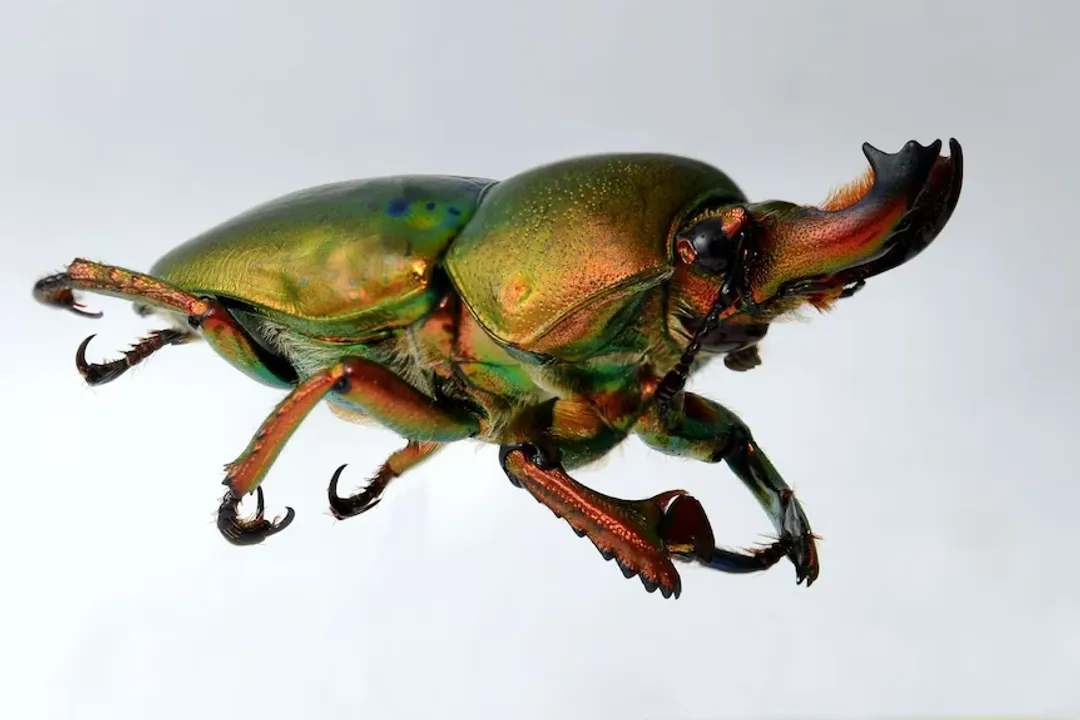
The appearance of large, metallic beetles coinciding with the December holidays in Australia has cemented the common name "Christmas beetle," often leading people to associate these insects solely with summer festivities. [1][2] These beetles, members of the Scarabaeidae family, which also includes chafers and dung beetles, are most famously represented by species within the genus Anoplognathus. [1][7] While the festive timing is noteworthy, understanding the full spectrum of their characteristics—from their larval stage to their feeding preferences—reveals a creature with a more complex ecological role than just being a seasonal visitor. [1][3]
# Metallic Sheen
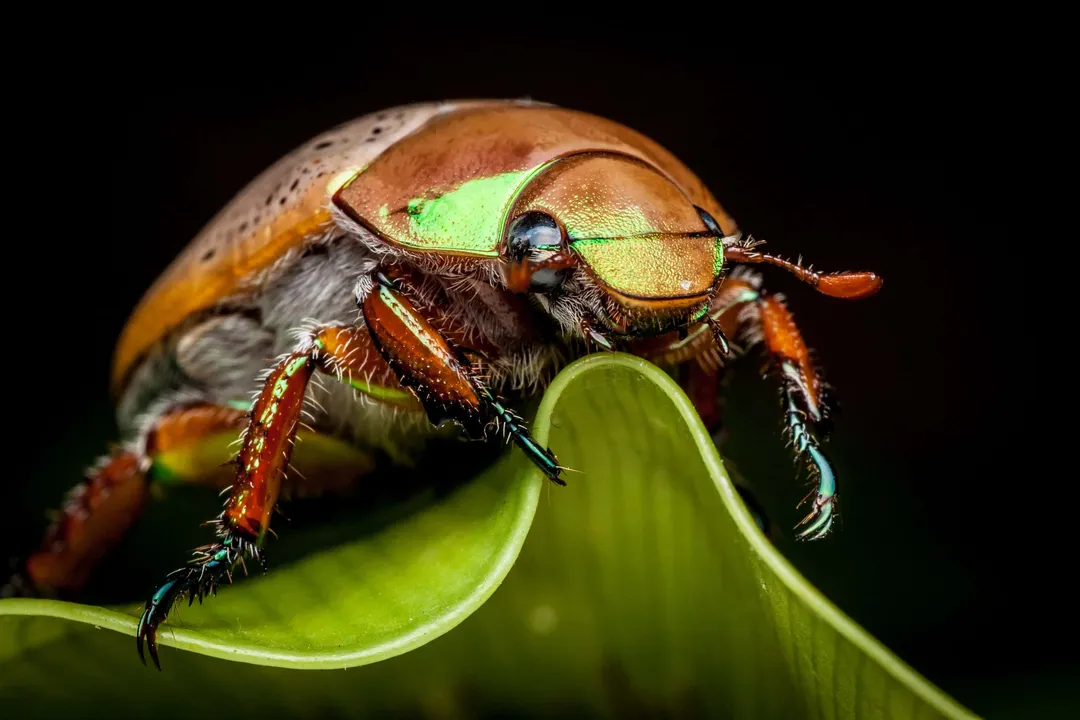
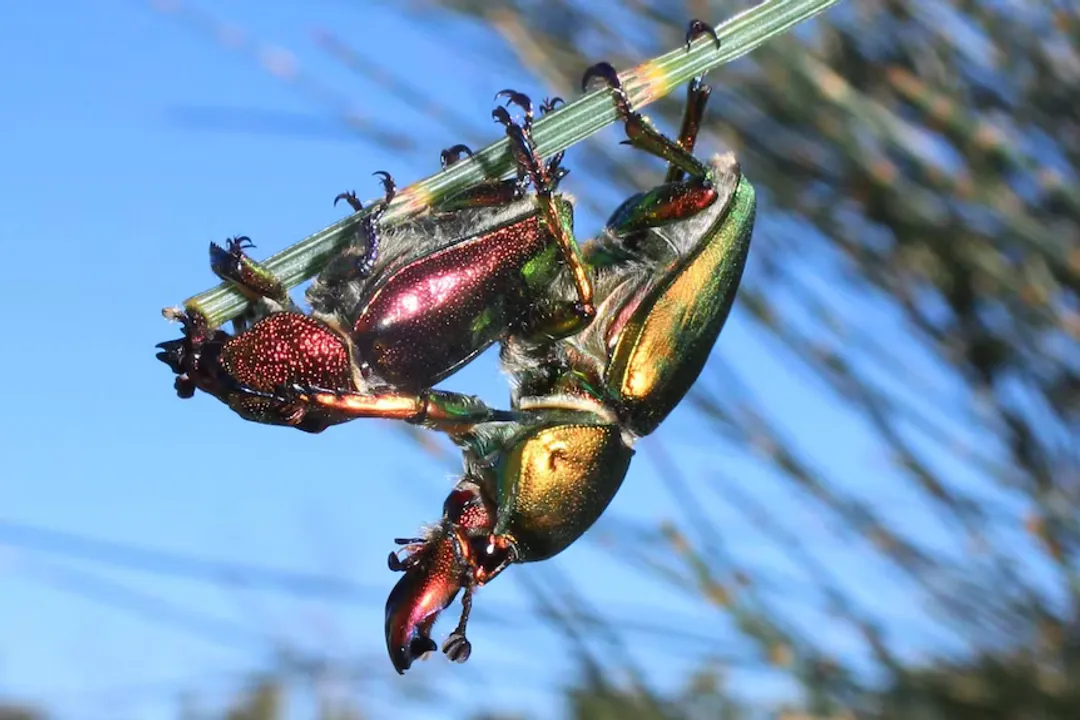
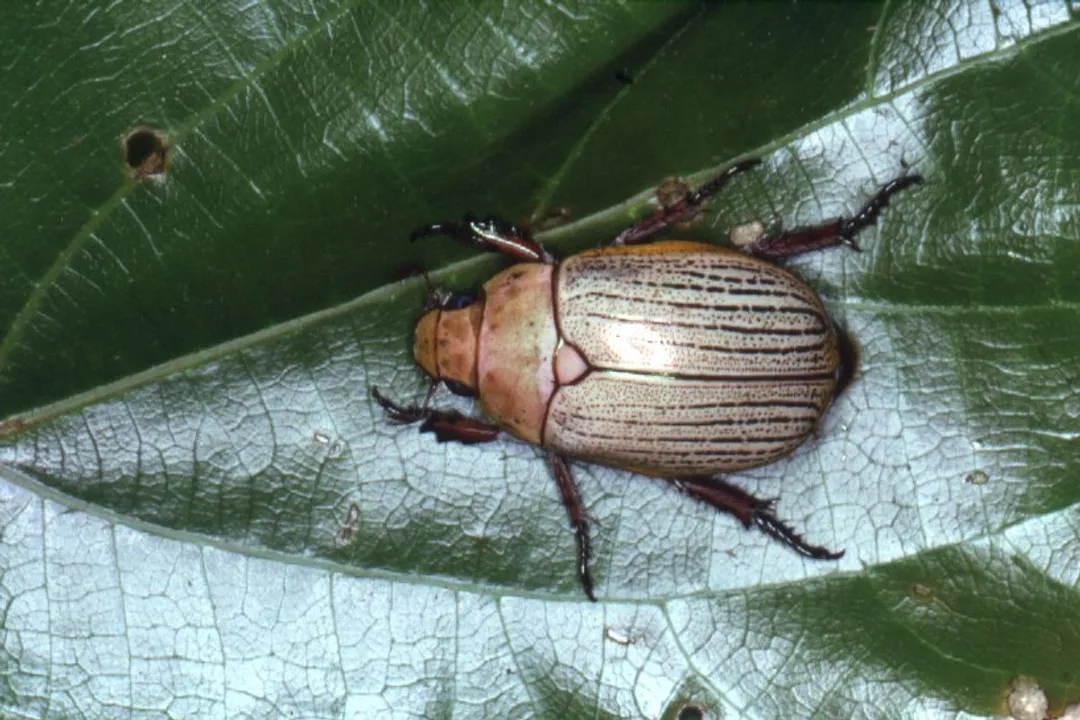
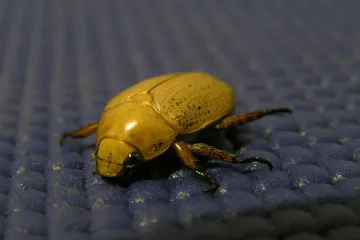
The most immediate characteristic that catches the eye is their striking coloration. Christmas beetles typically display iridescent hues, often appearing bright green, bronze, or coppery-red. [1][8] This metallic sheen helps them blend into the foliage of their preferred food source, the eucalypt tree, though it certainly makes them visible when they alight on pale surfaces or when attracted to household lights at night. [4]
In terms of size, the adults are substantial insects, generally measuring between 20 and 30 millimetres in length. [1][7] Sexual dimorphism is present; male Christmas beetles are often distinguishable from females by possessing small projections or horns on the front of their heads. [1] When viewing them closely, particularly under magnification, their body structure reveals robust legs equipped for clinging to bark and leaves, and powerful chewing mouthparts necessary for consuming tough vegetation. [3]
# Life Stages
The life cycle of the Christmas beetle spans several months, with the adult phase being the shortest and most visible component. [3] The entire process begins when adult females lay their eggs directly into the soil, usually around the roots of grass or turf. [3]
# Larval Phase
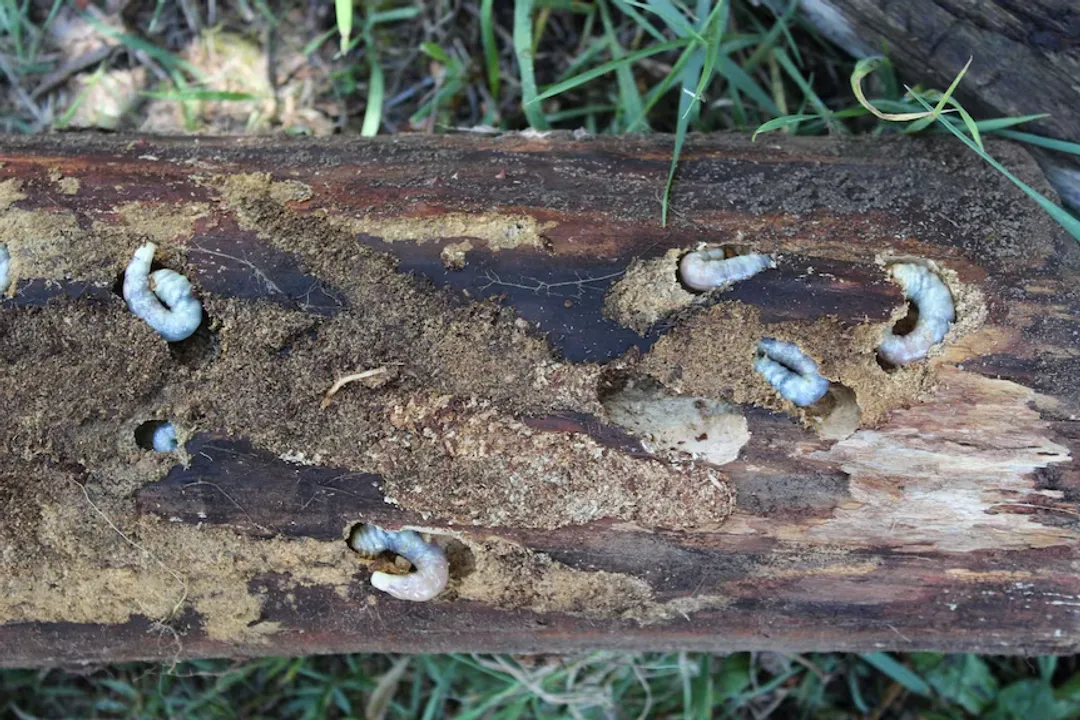
The larval stage is arguably the most significant in terms of biomass and potential long-term interaction with the environment, even though it is completely hidden from view. The resulting larvae are C-shaped white grubs, often referred to as curl grubs, that reside beneath the lawn or turf. [1][3] These grubs are voracious feeders, their diet consisting entirely of grass roots. [3][9] A high density of these developing grubs can lead to significant damage to lawns, causing large patches of grass to die because their foundational nutrient supply has been consumed. [9] This contrast between the harmless-looking grubs feeding underground and the showy adults flying above presents an interesting dual nature to their impact on a garden setting. [9]
# Pupation and Emergence
After developing through several instars underground, often over a year or more, the larva eventually pupates, still concealed beneath the soil surface. [3] This pupal stage transitions the creature into its final adult form. The emergence of the mature beetles is synchronized, generally occurring during the warmer, wetter periods leading up to and during the Australian summer, which is why they are predominantly noticed in December. [1][3]
# Feeding Habits
The feeding characteristics of the Christmas beetle shift dramatically between its immature and adult phases, which is a critical distinction for anyone assessing their impact on vegetation. [3][9]
As mentioned, the larvae are dedicated root feeders, causing damage to lawns and pasture. [3][9] Their dietary requirements focus on subterranean parts of plants.
The adult beetles, however, are foliage consumers. Their primary sustenance comes from the leaves of Eucalyptus trees. [1][3] While moderate numbers are part of the natural ecosystem, large swarms can cause noticeable defoliation on mature gum trees. [1] Interestingly, some sources note that while adults may feed on other garden plants, their preference remains firmly rooted in eucalypts. [3] For gardeners concerned about ornamental plants, this focus on eucalypts might offer some reassurance, provided the eucalyptus trees themselves are not highly valued specimens. [3]
# Seasonal Timing
The defining feature of the common name is the timing of the adult emergence. In Eastern Australia, these beetles typically begin to appear around early to mid-December, leading directly to their festive moniker. [1][2] This emergence is tied to the onset of warmer weather conditions that signal summer has arrived. [4] While the name is strongly associated with the Australian Christmas period, it is worth noting that similar seasonal patterns or name associations can occur elsewhere with different species. For instance, a "Christmas Brown Beetle" is recognized in South Africa, though it is a different creature entirely. [6] This highlights how seasonal synchronicity can lead to common naming conventions across continents for unrelated insects. [6]
# Distribution Range
The species most commonly referred to as Christmas beetles, those belonging to the Anoplognathus genus, are native to Australia. [1] Their presence is felt most strongly along the eastern seaboard, with populations noted in areas like Queensland, New South Wales, and Victoria. [1] However, their range extends to South Australia and even Western Australia, though perhaps with different dominant species or population densities. [4] The presence of large numbers can vary significantly from year to year, often influenced by weather patterns—specifically, rainfall during the larval stage—which affects how many successfully mature into adults. [4]
# Public Perception
The public perception of the Christmas beetle is often divided. On one hand, they are intrinsically linked to the positive atmosphere of the holiday season. [2] On the other, their appearance can be met with frustration due to their feeding habits and behavior. [9]
One behaviour that frequently generates commentary is their attraction to artificial light sources at night. [4] After feeding during the day, the adults become active flyers, often congregating around outdoor and indoor lights. [4] While many find this behavior annoying—sometimes leading to them entering homes—it is a fundamental part of their nocturnal activity. [4]
Another source of division stems from the aforementioned feeding damage. When populations boom, the defoliation of eucalypts, while often survivable for the tree, can look unsightly. [1] Coupled with the potential for lawn damage from the grubs below, this can shift public feeling from curiosity to outright annoyance. [9]
If one were to map out the potential impact, an interesting observation arises from comparing the damage vectors: the unseen larvae threaten the structural integrity of groundcover (lawns) by severing roots, whereas the visible adults cause aesthetic damage to tree canopies. [3][9] A single healthy eucalypt tree can sustain numerous adult beetles without long-term harm, yet a heavily infested lawn might struggle to recover from root loss. This difference in target—structural versus aesthetic—often dictates whether an observer labels the beetle a nuisance or merely a natural occurrence. Furthermore, the population size itself acts as a modifier; in lean years, they are barely noticed, yet in boom years, their sheer numbers make their presence undeniable, which can sometimes lead to them being incorrectly classified as major pests when they are simply experiencing a high-success reproductive cycle. [4]
The overall characteristic, therefore, is one of seasonal abundance. They are not constant residents causing year-round problems but rather brief, spectacular manifestations of the Australian summer ecology, appearing in great numbers for a relatively short period before retreating to complete their cycle underground. [1][3] Observing their metallic flash against the blue summer sky remains, for many, an authentic part of the Australian Christmas experience. [2][4]
Related Questions
#Citations
Christmas Beetle - The Australian Museum
Christmas Beetles - Backyard Buddies
Christmas Beetles - Minibeast Wildlife
Christmas beetles are out and about and their traits may surprise you
Christmas beetle description and appearance - Facebook
Be aware of the Christmas/Brown Beetle - Life is a Garden
Christmas Beetle | Biodiversity of the Western Volcanic Plains - Ecolinc
Christmas Beetle - Anoplognathus viriditarsus - A-Z Animals
Christmas Beetles: A case of bah humbug or something more sinister?