What common descriptive name is applied to the C-shaped white grubs that develop underground before pupation?
Answer
Curl grubs
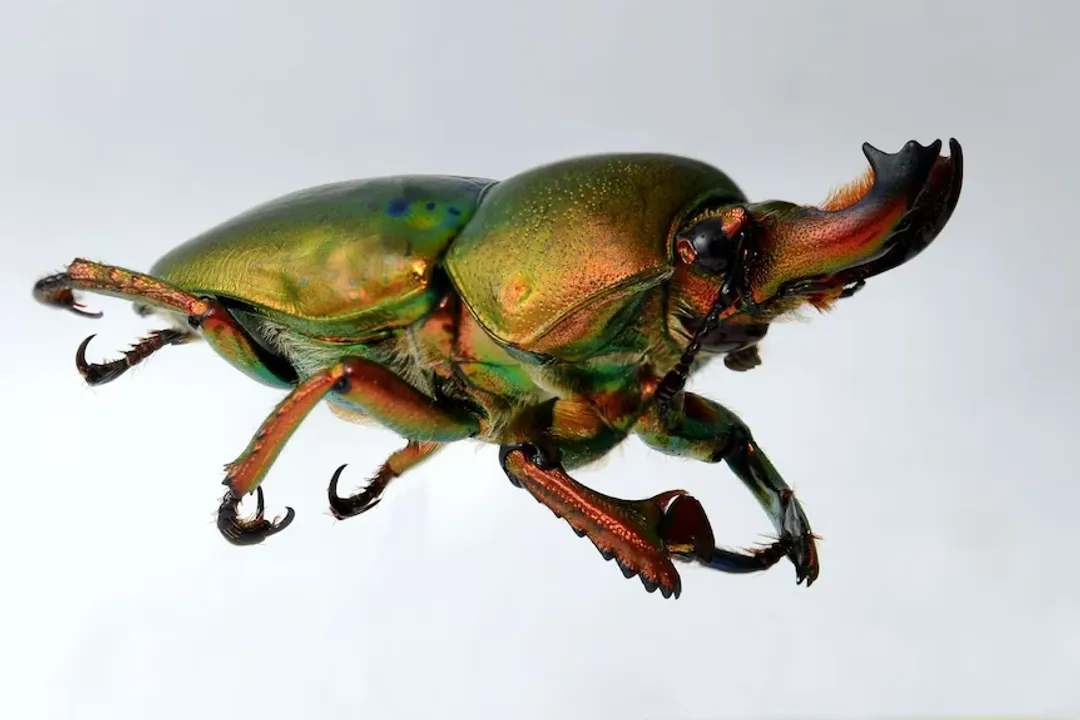
The larval stage of the Christmas beetle is easily identifiable by its shape and color, leading to a specific common designation. These larvae are characteristically C-shaped and possess a white body, leading to them being widely referred to as curl grubs. These grubs spend the majority of their life cycle hidden beneath turf, actively feeding on grass roots. The moniker 'curl grub' directly references their characteristic posture while resting or moving in the soil, differentiating them visually and terminologically from other soil-dwelling larval forms.
Related Questions
To what family of insects, including chafers and dung beetles, do Christmas beetles of the genus Anoplognathus belong?What specific food source do the C-shaped white grubs, referred to as curl grubs, consume beneath the lawn or turf?What is the primary sustenance for the adult Christmas beetles during their visible phase?How are male Christmas beetles often distinguished visually from the females of their species?What range describes the general body length for a substantial adult Christmas beetle specimen?What common descriptive name is applied to the C-shaped white grubs that develop underground before pupation?The species commonly known as Christmas beetles, belonging to the Anoplognathus genus, are native to which continent and most strongly felt along which coast?Which damage vector targets the structural integrity of groundcover rather than causing aesthetic damage to tree canopies?What climatic conditions typically trigger the synchronized emergence of mature Christmas beetles in Eastern Australia?What fundamental nocturnal activity of the adult Christmas beetles frequently results in them entering homes?