Which behavior distinguishes some Old World vultures like the Rüppell's Vulture from obligate scavengers?
Answer
They function as opportunistic predators by killing weak or dying animals
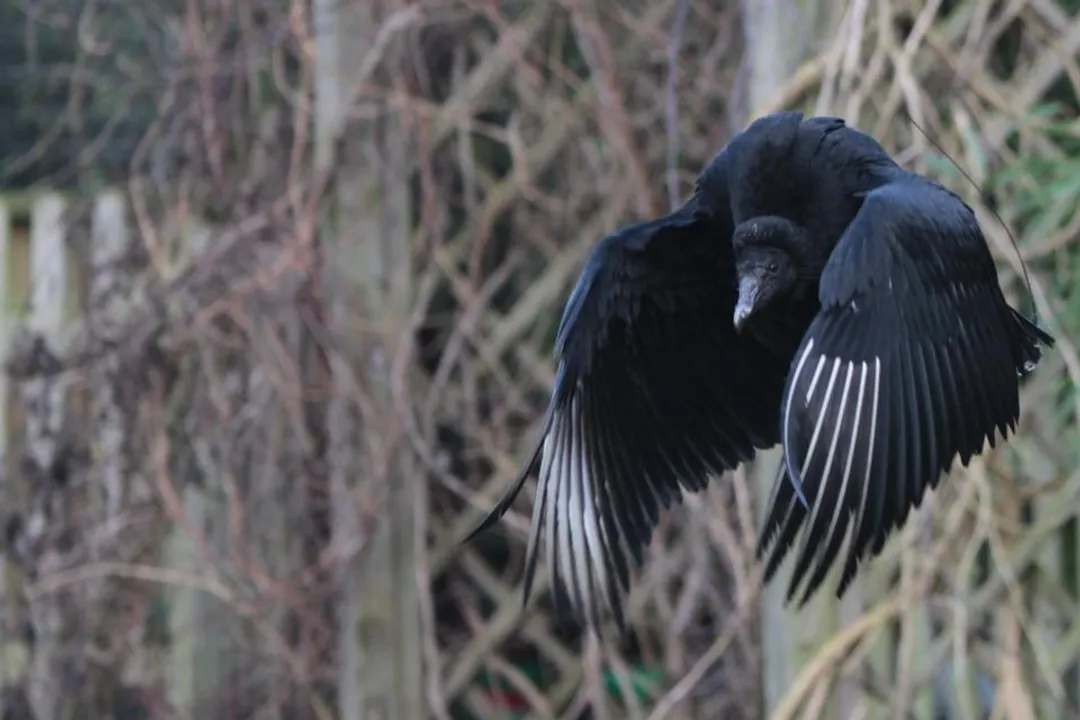
While the vast majority of vulture species are categorized as scavengers, certain Old World species, such as the Rüppell's Vulture, demonstrate the capability to act as opportunistic predators. Unlike New World vultures, which are generally considered obligate scavengers that do not target healthy prey, these Old World birds can actively kill weak or dying animals. This behavior highlights the functional differences in their evolutionary histories and adaptability.
#Videos
Vulture Evolution in Cartoons & Movies (2018) - YouTube
Related Questions
Why are Old World and New World vultures considered a classic example of convergent evolution?To which avian order are Old World vultures taxonomically assigned?How do the feet of New World vultures differ from those of Old World vultures?What sensory adaptation allows the Turkey Vulture to locate carrion hidden under dense forest canopy?Approximately how long ago did the evolutionary divergence between New World and Old World vultures occur?What is the primary dietary component of the Bearded Vulture found in the Himalayas?What specific ecosystem service do vultures provide by consuming carrion?What occurred in India following the decline of vulture populations due to diclofenac poisoning?Which behavior distinguishes some Old World vultures like the Rüppell's Vulture from obligate scavengers?Molecular evidence suggests New World vultures are most closely related to which group?