What veterinary drug is identified as the primary reason for the devastating population collapse of the Red-headed Vulture?
Answer
diclofenac
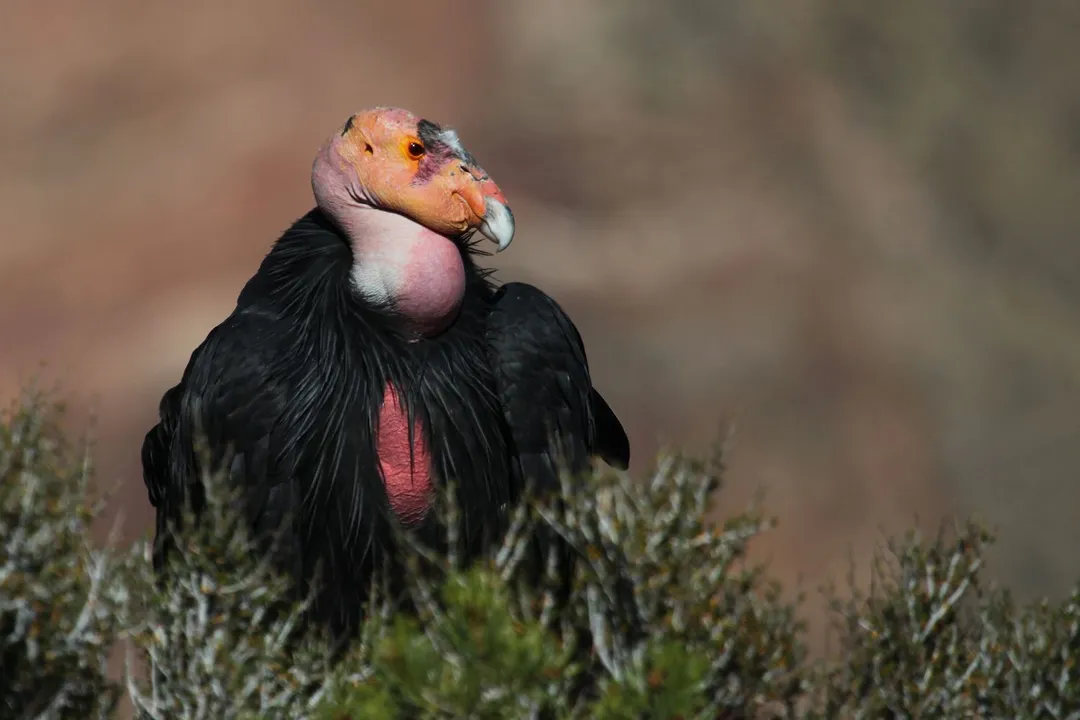
The most devastating factor driving the Red-headed Vulture toward extinction is the widespread veterinary use of diclofenac. This drug, a non-steroidal anti-inflammatory drug (NSAID), was commonly administered to treat livestock like cattle and water buffalo. When these treated animals subsequently died, their carcasses served as lethal food sources for vultures feeding upon them. Ingesting even small quantities of diclofenac leads directly to acute renal failure in the birds, resulting in rapid death. Although banned in several key range countries, its lingering presence or illicit use in adjacent areas continues the threat.
Related Questions
What IUCN Red List status is assigned to Sarcogyps calvus, indicating an extremely high risk of extinction?What veterinary drug is identified as the primary reason for the devastating population collapse of the Red-headed Vulture?What specific physiological damage results in the rapid death of Red-headed Vultures after ingesting diclofenac-treated carcasses?What distinctive color characterizes the bare skin on the head and neck of a mature Red-headed Vulture?What crucial visual marker is visible on the wings of a soaring Red-headed Vulture that helps distinguish it?What secondary environmental pressure, alongside chemical poisoning, is further stressing the remaining Red-headed Vulture populations?Why is establishing consistent population monitoring for *Sarcogyps calvus* in remote regions described as a logistical nightmare?What aspect of vulture conservation demands cooperation between farmers, veterinarians, and governments across multiple nations?What vital ecological function is lost when obligate scavengers like *Sarcogyps calvus* disappear from an ecosystem?How do juvenile Red-headed Vultures differ in appearance from mature individuals, sometimes complicating field counts?