How many red-headed vultures are left in the world?
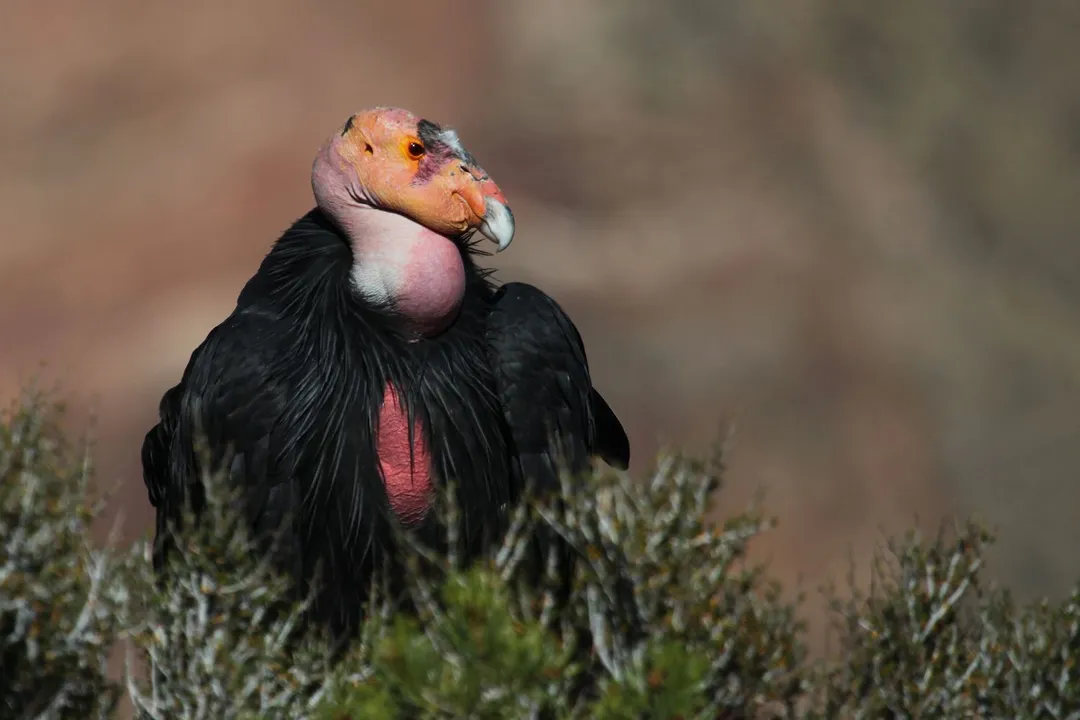
Pinpointing the exact number of red-headed vultures (Sarcogyps calvus) left in the world is a difficult, if not impossible, task for conservationists right now, precisely because the species is in such profound trouble. While the precise tally remains elusive, the consensus across global conservation bodies paints a dire picture: this striking scavenger is classified as Critically Endangered. [1][2][4][7] This classification signifies that the species faces an extremely high risk of extinction in the wild, suggesting that any current population estimate would represent a fraction of what existed just a few decades ago. [3]
# Status Defined
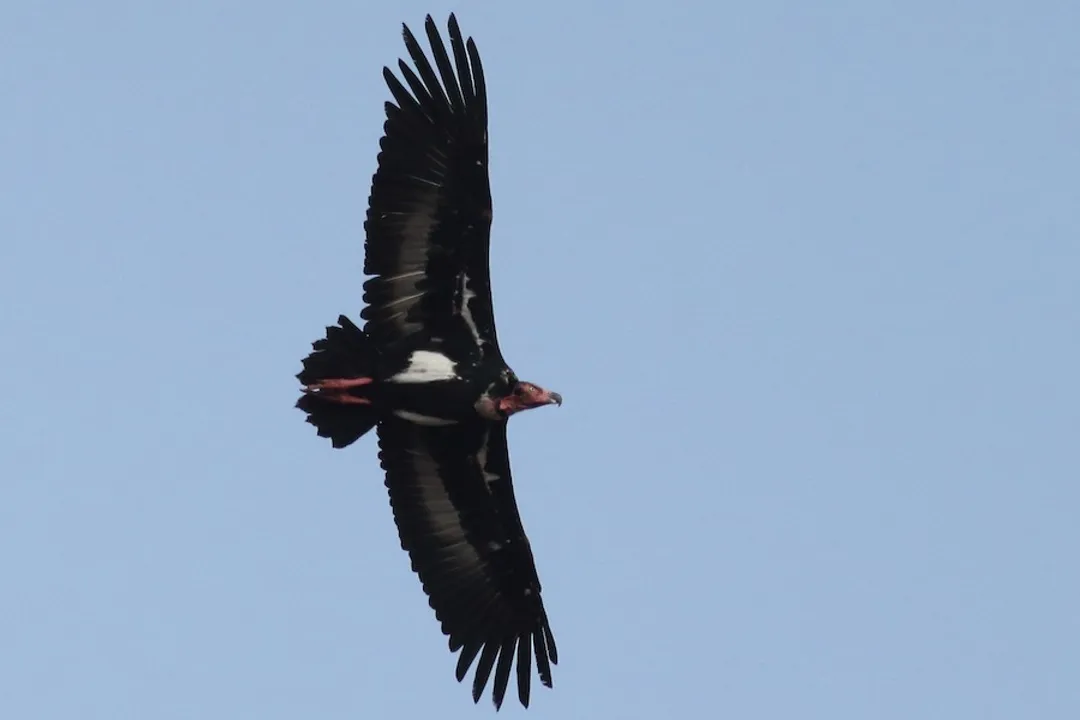
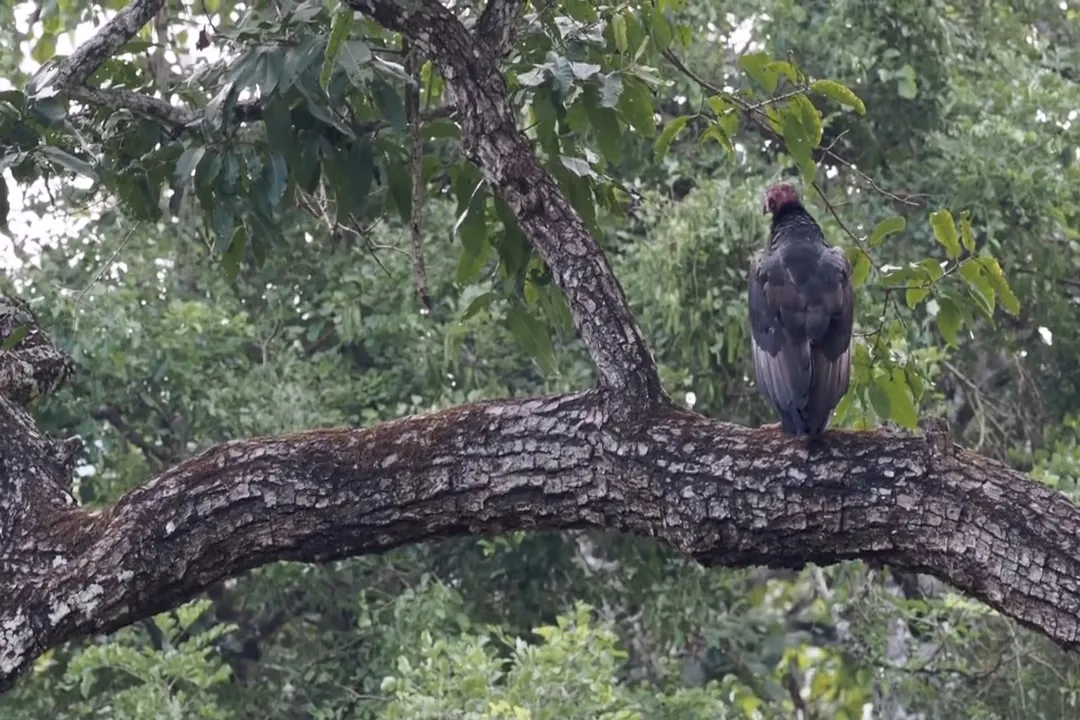
The Red-headed Vulture, known scientifically as Sarcogyps calvus, is one of the most recognizable Old World vultures due to its distinctive, bare, bright reddish-pink head and neck, contrasting sharply with its mostly black body plumage accented by white patches on the underside of the wings. [9] Its precarious position on the IUCN Red List is shared by several other vulture species in Asia, yet the Red-headed Vulture is frequently cited as perhaps the most imperiled among them. [8] The very fact that researchers rely on the "Critically Endangered" tag rather than releasing a specific census number indicates that population monitoring is sporadic, fragmented, and often lagging behind the speed of the decline. [5]
# Range Shifts
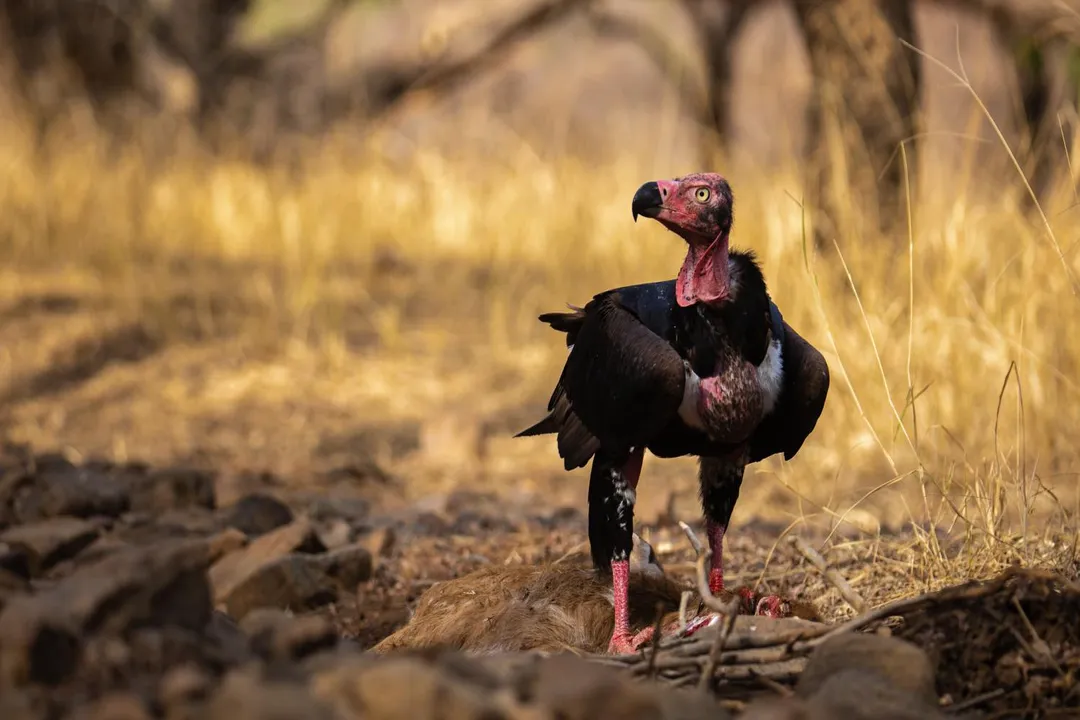
Historically, the Red-headed Vulture boasted a wide range stretching across South and Southeast Asia, encompassing regions from the Indian subcontinent eastward. [4] Today, that extensive territory has fractured into isolated pockets, a common, heartbreaking pattern for species facing mass declines. [3] While records from platforms like eBird confirm that sightings still occur, these data points represent scattered observations rather than a healthy, contiguous population base. [5] In certain areas, like Thailand, the species is either locally extinct or extremely rare, even though it was once part of the native avifauna. [4] Monitoring efforts are often concentrated where the species is known to persist, which means that small, undiscovered populations elsewhere might be missed until they are also gone.
# Threats Intensify
The primary reason that exact numbers are unknown and the species is spiraling toward extinction is the devastating impact of veterinary drugs, specifically diclofenac. [8] This non-steroidal anti-inflammatory drug (NSAID) was widely used in veterinary medicine to treat livestock, such as cattle and water buffalo. When these treated animals died, their carcasses became lethal bait for vultures descending to feed. [8] Diclofenac causes renal failure in the birds, leading to rapid death. While the use of this specific drug has been banned for veterinary purposes in several core range countries, its legacy lingers, and illicit use or use in neighboring regions means the threat hasn't vanished entirely. [8]
The chemical assault from diclofenac is a unique form of population collapse—it is a direct, acute poisoning event linked entirely to human agricultural practices, contrasting sharply with slower, more diffuse threats. [3][8] Habitat loss and degradation represent the other major pressure point, though perhaps less dramatic in the short term than poisoning. [9] As human populations expand and agricultural practices intensify, the amount of accessible, uncontaminated natural carrion decreases, further stressing the remaining birds that manage to avoid chemical contamination. [9] Consider the dual challenge: one threat requires legislative enforcement and chemical monitoring, while the other demands landscape-level habitat management. This dual pressure is incredibly difficult for a scavenger whose entire ecological niche depends on wide-ranging access to natural food sources. [3]
# Identification Marks
For those lucky enough to encounter this magnificent bird, its appearance is unforgettable. Mature individuals are characterized by their deep crimson or orange-red bare skin on the head and neck, giving the species its common name. [9] The body is predominantly dark, often appearing blackish, but key identifying features include the pale band across the base of the primary flight feathers, visible when the bird is soaring—a white 'V' or panel contrasting against the darker wing lining. [2] Juveniles look considerably different, often appearing duller with a greyish-white head, which can sometimes lead to misidentification in the field, complicating early conservation counts. [9]
# Conservation Challenges
Saving the Red-headed Vulture is not just about finding and counting them; it is fundamentally about changing the conditions that allow them to die. [1] The efforts required must be multi-faceted, targeting both the acute poisoning problem and the chronic issue of diminishing food supply. [3] Because these birds move across vast areas, effective conservation demands cooperation between farmers, veterinarians, governments, and local communities across multiple nations. [4]
One area where collaboration is essential, though often underdeveloped, is in local community engagement regarding disposal of fallen livestock. While bans on diclofenac are critical, ensuring safe carcass disposal, even for animals that died of natural causes, is the next line of defense. A crucial element that is often overlooked in large-scale species recovery is the difficulty of baseline data collection itself. In remote regions where these vultures persist, establishing a consistent, scientifically sound monitoring protocol is a logistical nightmare, meaning that progress metrics are often derived from localized surveys that may not accurately reflect the overall status of the remaining fragmented populations. [5] Therefore, supporting small, dedicated local monitoring groups through resources and standardized training becomes an incredibly high-yield conservation action, even if it doesn't generate headline figures.
The commitment shown by organizations that track these birds confirms their importance to ecosystem health. [3] As obligate scavengers, the disappearance of species like Sarcogyps calvus inevitably leads to an increase in unconsumed carcasses, potentially increasing the risk of disease transmission to other wildlife and domestic animals. [1] Their role as nature's ultimate clean-up crew means that when they vanish, the ecosystem loses a critical, built-in sanitation service. The question shifts from "how many are left?" to "how quickly can we remove the direct killers so that the remaining few can reproduce successfully?". [8] Success in this fight hinges on eradicating the chemical threat and securing clean feeding grounds throughout their remaining patchy distribution.
Related Questions
#Citations
Red-headed Vulture Sarcogyps Calvus Species Factsheet
Red-Headed Vulture Bird Facts - Sarcogyps calvus - A-Z Animals
Red-headed Vulture | The Peregrine Fund
Red-headed vulture (Sarcogyps calvus) - Thai National Parks
Red-headed Vulture Sarcogyps calvus - eBird
The red-headed vulture used to be declining, but only slowly
Red-headed Vulture (Sarcogyps calvus) - iNaturalist
16 of the World's Most Endangered Vulture Species - Treehugger
Red-Headed Vulture Facts & Photos | Wowzerful