Vulture Evolution
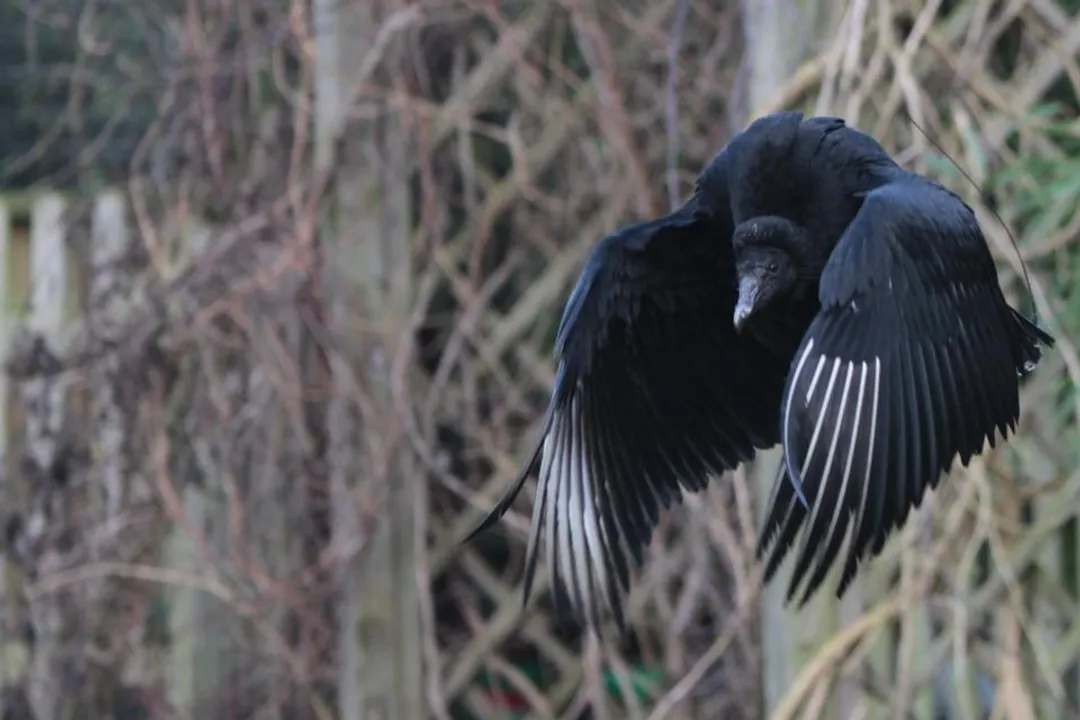
The existence of vultures across continents, displaying similar bald heads and a penchant for carrion, often leads people to assume a close family relationship. However, the evolutionary story of these birds is far more complex, illustrating a classic case of convergent evolution where distinct avian lineages independently adopted similar lifestyles, resulting in superficially similar creatures that are, genetically speaking, quite distant cousins. This deep evolutionary divergence between the groups commonly recognized as Old World vultures and New World vultures forms the central drama in understanding their history and adaptation.
# Two Lineages
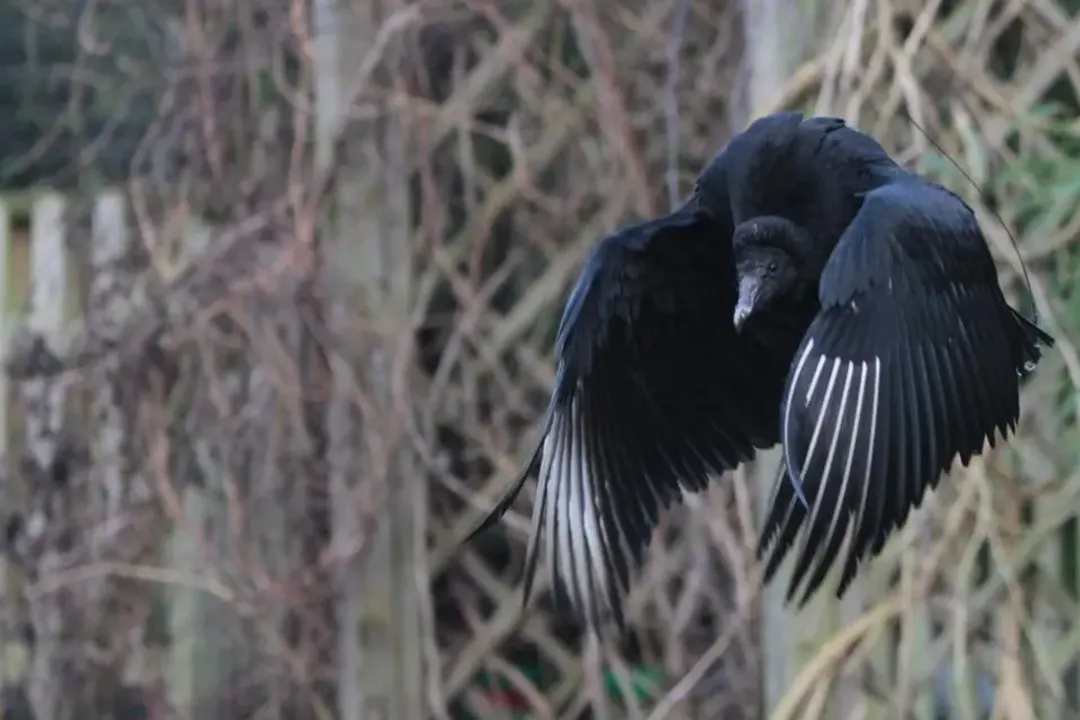
Vultures are divided into two distinct taxonomic groups that evolved separately across the globe. The New World Vultures, found in the Americas, belong to the order Accipitriformes, although some sources place them within or near Ciconiiformes (storks) based on recent molecular studies, suggesting a relationship distinct from raptors. Key examples here include the California Condor and the Turkey Vulture. Conversely, the Old World Vultures inhabit Africa, Asia, and Europe and are firmly placed within the order Accipitriformes, making them relatives of familiar hawks, eagles, and kites.
This separation means that the morphological similarities—like soaring flight patterns and the habit of eating dead animals—are not due to recent common ancestry but rather the selective pressures of their shared ecological role. When examining their respective evolutionary paths, one finds that the New World group diverged from their ancestors much earlier than the Old World vultures diverged from their raptor relatives. This ancient split predates the evolution of many of the specific scavenging traits that define them today.
# Physical Divergence
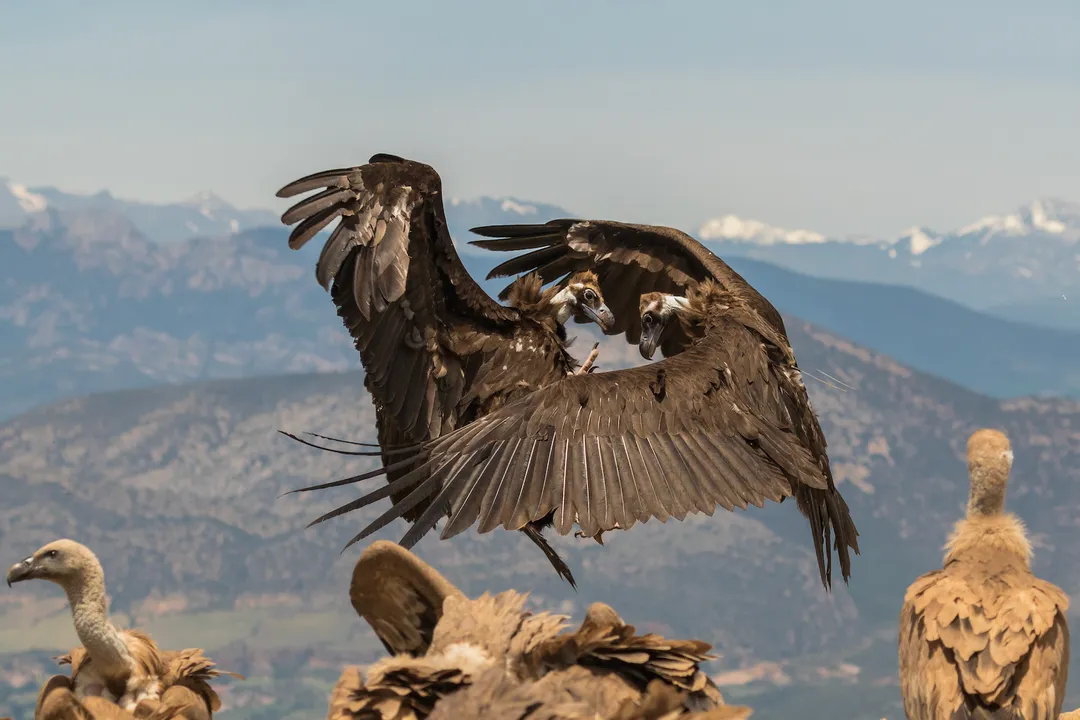
While the naked head is perhaps the most recognized shared feature, designed to keep them clean while feeding deep inside carcasses, other anatomical traits clearly delineate the two families. The most telling structural difference lies in their feet. Old World vultures possess strong, gripping talons, much like eagles and hawks, indicating their shared ancestry within the Accipitridae family. These birds can grip prey or food items with power. In contrast, New World vultures have feet that are flatter, weaker, and more closely resemble those of geese or chickens, lacking the strong grasping ability necessary to carry off food.
This anatomical divergence leads to a functional difference in how they secure their meals. While both groups scavenge, some Old World vultures, such as the Rüppell's Vulture, have been documented killing weak or dying animals themselves, functioning as opportunistic predators as well as scavengers. New World vultures, on the other hand, are generally considered obligate scavengers; they do not typically kill healthy animals for food. Furthermore, their evolutionary divergence is reflected in sensory capabilities. For instance, the Turkey Vulture exhibits an exceptionally keen sense of smell, an adaptation that allows it to locate carrion hidden under dense forest canopy where sight alone would be insufficient. This adaptation is not shared to the same degree by most Old World vultures, who rely more heavily on sight.
An interesting contrast arises when considering the evolutionary paths implied by their feet. The retention of a raptor-like, powerful grip in Old World vultures strongly suggests they branched off from the Accipitridae line before the full specialization toward obligate scavenging occurred across all members of that lineage. New World vultures, however, show a different trajectory, with their generalized, flat feet suggesting their shared ancestor with storks might have been less specialized for grasping than the ancestor of hawks and eagles.
# Molecular Evidence
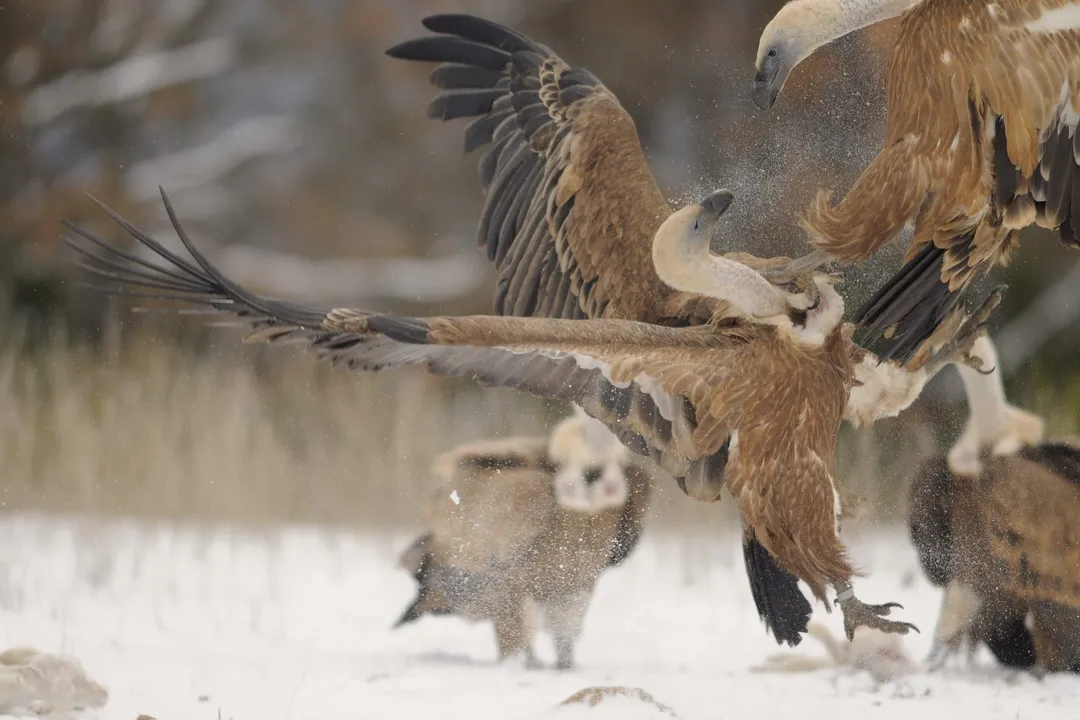
The true relationship between these two groups was definitively clarified through genetic analysis, which mapped out the evolutionary distances separating them. Molecular data confirms that New World vultures are more closely related to storks than they are to Old World vultures or true diurnal raptors. One major study tracing their evolutionary history placed the divergence event between the New World and Old World vultures at approximately 30 to 50 million years ago. This timeline highlights just how long these two successful scavenging strategies have been evolving independently across the planet.
# Specialized Forms
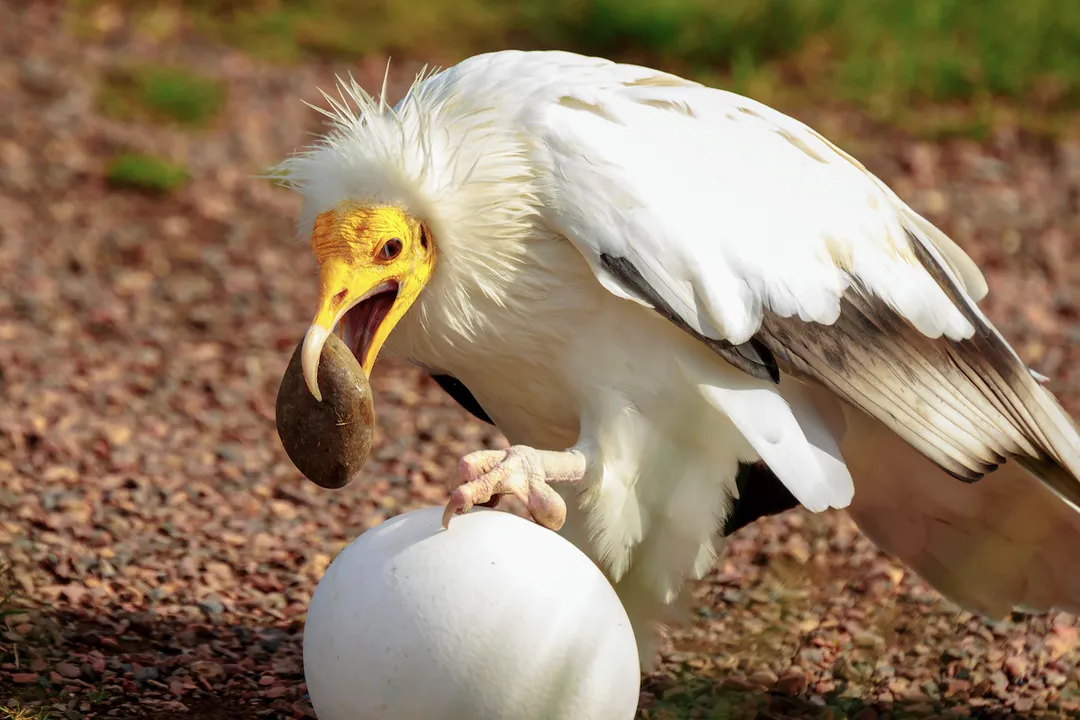
Within these broad categories, remarkable specialization has occurred, demonstrating evolutionary pressures shaping unique feeding behaviors. The Bearded Vulture, or Lammergeier, found in Old World territories like the Himalayas, the Middle East, and Europe, presents a case study in dietary niche partitioning. While many vultures target soft tissue, the Bearded Vulture’s diet consists of up to 90 percent bone and bone marrow. They have evolved powerful beaks and specialized digestive acids to process these hard materials, often dropping large bones from heights onto rocks to break them into manageable pieces.
This contrasts sharply with the generalist approach seen in many other vultures, or even the specific reliance on smell seen in the smaller New World vultures like the Turkey Vulture. The very presence of the Bearded Vulture shows that even within the context of scavenging, evolution finds specialized, highly successful routes.
For conservation managers working across different continents, recognizing this deep genetic rift is vital. If a conservation program is attempting to manage a genetically distinct New World Vulture population, applying management strategies based on Old World Vulture taxonomy could prove inefficient or even detrimental, as their distinct evolutionary origins mean they have different adaptive histories and potentially different vulnerability profiles to modern threats like poisoning or habitat loss.
# Ecological Necessity
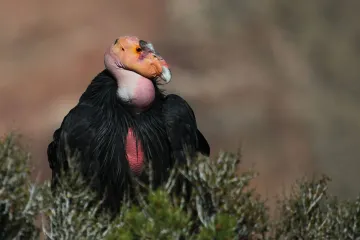
Despite their distant origins, both groups occupy the same irreplaceable ecological niche: the rapid removal of carrion. By consuming decaying animal matter quickly, vultures significantly reduce the proliferation of disease-causing bacteria, such as anthrax or botulism, that thrive in rotting flesh. This function is critical not only for ecosystem health but also for human and livestock health in proximity to large wild animal populations.
For example, in areas where vulture populations have crashed, such as parts of India following the poisoning linked to the veterinary drug diclofenac, the ecological vacuum has been immediately filled by other scavengers like feral dogs and rats. The resulting spike in rabies and other zoonotic diseases offers a stark, real-world demonstration of the essential, high-volume service that vultures provide, a service their independent evolutionary paths have perfectly equipped them to perform. Their very survival, despite being separated by oceans and millions of years of evolution, speaks to the immense selective pressure favoring efficient, clean-up specialists in almost every terrestrial environment.
#Videos
Vulture Evolution in Cartoons & Movies (2018) - YouTube
Related Questions
#Citations
Old World vulture - Wikipedia
How Old and New World Vultures Differ
Bridging Evolutionary History and Conservation of New World Vultures
Vultures are spectacular. Here are 9 fascinating vulture facts that ...
Evolutionary history of New and Old World vultures inferred from ...
Old World vs. New World vultures: What sets them apart?
Vulture Evolution in Cartoons & Movies (2018) - YouTube
Biology | Foundation for the Bearded Vulture
Turkey Vulture Overview, All About Birds, Cornell Lab of Ornithology
Vultures - The Falconry Centre, Hagley, West Midlands