Which behavior distinguishes a true bottom feeder from Alaska Pollock, according to ecological description?
Answer
Consuming detritus, mud, or organisms in the sediment layer
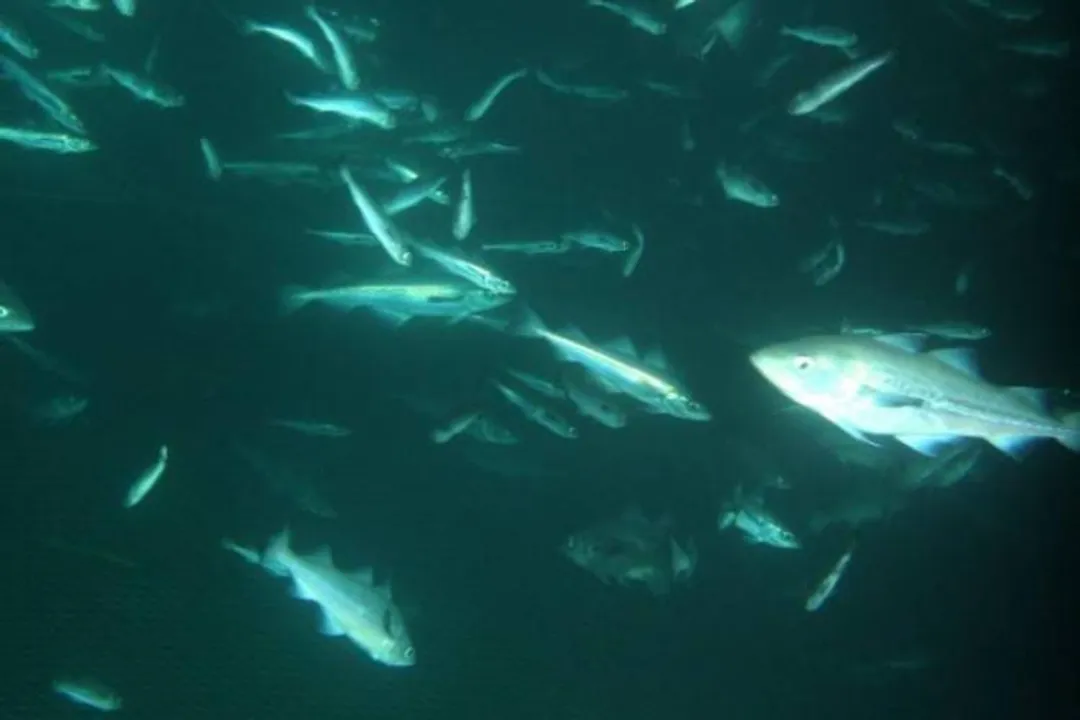
A true bottom feeder consumes material that lives in or directly on the sediment layer, whereas Alaska Pollock are active predators hunting suspended organisms in the water mass.
Related Questions
What is the primary habitat classification for Alaska Pollock regarding their depth preference?What constitutes the main components of the Alaska Pollock diet?What primarily fuels the persistent linkage of Alaska Pollock to the 'bottom feeder' concept in the market?Which behavior distinguishes a true bottom feeder from Alaska Pollock, according to ecological description?How does the diet of older, larger Alaska Pollock typically shift compared to younger individuals?What is the ecological significance of Alaska Pollock's massive abundance?What flavor characteristic is generally associated with Alaska Pollock, contrasting it with true bottom feeders?What specific gear interaction creates consumer confusion regarding pollock being associated with the seabed?What depth range do Alaska Pollock inhabit, where they are strongly associated with deeper, colder waters?What management context signals an association with the seabed environment for Alaska Pollock, despite their feeding habits?