Do nuthatches come to feeders?
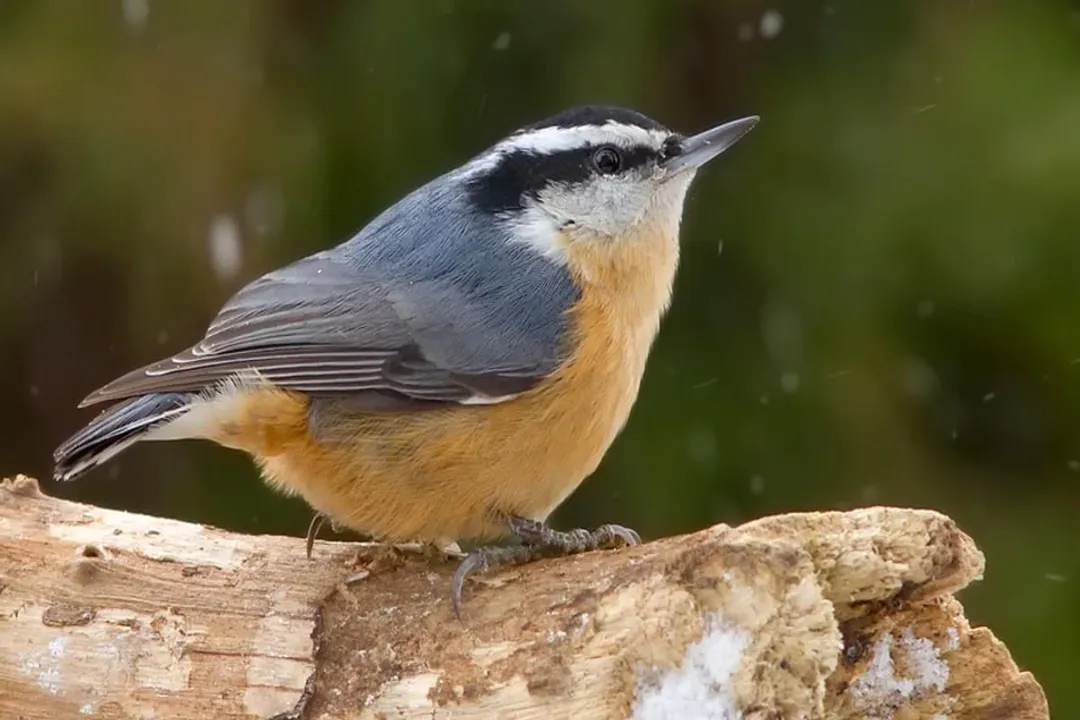
The answer to whether nuthatches visit bird feeders is a resounding yes, provided you set the stage correctly for these energetic, acrobatic birds. They are frequent and enthusiastic backyard visitors when the right provisions are offered, often shocking observers with their ability to hang upside down while probing for seeds. [2][9] Attracting them successfully involves understanding their specific feeding style and what dietary staples they prioritize over the course of the year. [9]
# Clinging Habits
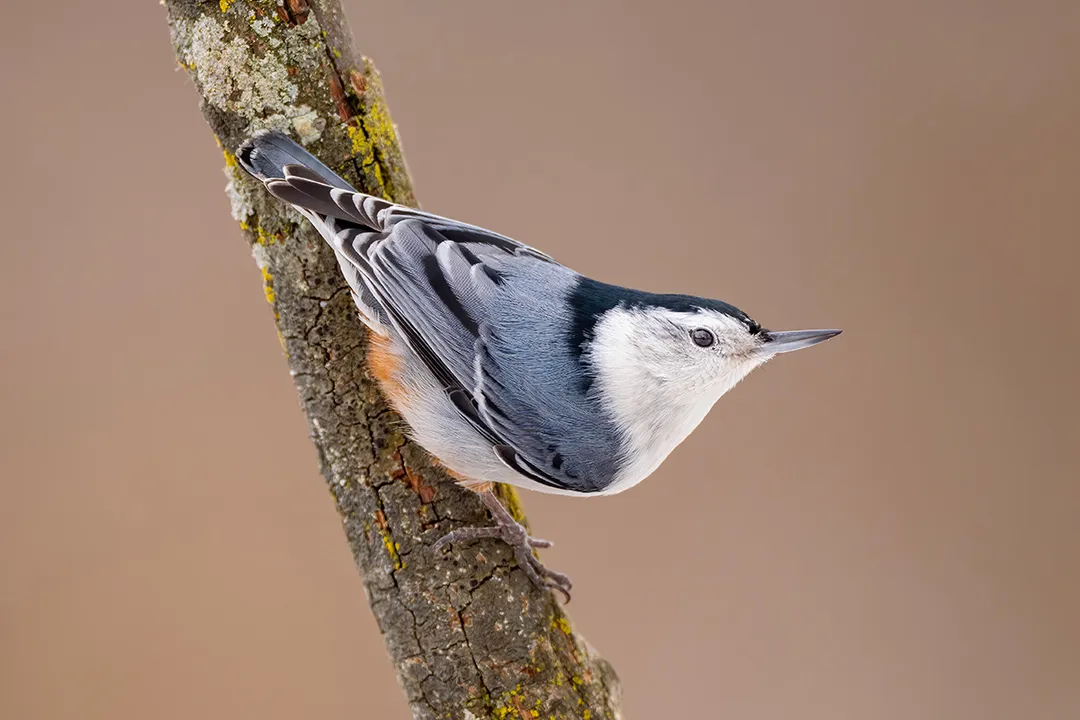
Nuthatches possess a unique acrobatic advantage that influences how they use feeders. Unlike birds that prefer to perch upright on a flat surface, nuthatches are well-known for their ability to walk head-first down tree trunks. [9] This behavior translates directly to their feeder preferences. They need a surface they can securely cling to while they work on cracking open a seed or excavating suet. [2]
Because of this clinging requirement, tube feeders can sometimes be less ideal unless the perches are very short or the bird is highly motivated. [2] Platform feeders and hopper feeders that allow them to grab onto the edge or perch near the seed ports are often more immediately appealing. [1][2] Suet feeders designed as wire cages are particularly effective because they allow the nuthatch to cling anywhere on the wire mesh while eating, much like they would grip bark. [2][9] If you notice chickadees or titmice enjoying a hopper feeder, a nuthatch will likely try it too, but offering a specialized clinging surface often seals the deal faster. [2]
It is worth noting that their acrobatic skill means they are less deterred by wind or awkward positioning than some other songbirds, but they still prefer reliable footing when caching food. [2]
# Favorite Foods
Selecting the right menu is perhaps the single most important factor in drawing nuthatches to your yard. They are seed and insect eaters, and their preference leans heavily toward high-energy options, especially when the weather turns cold. [6]
Sunflower Seed Dominance
Black oil sunflower seeds (BOSS) are frequently cited as the number one attractor for nearly all nuthatch species. [2][6][9] They are a high-fat, easy-to-handle staple that nuthatches readily accept in platform feeders, hopper feeders, or even scattered on a flat tray. [6] While Nyjer seed attracts smaller finches, it is generally not the primary target for nuthatches looking for substantial calories. [2]
The Suet Requirement
Suet is essential, particularly during colder months when insects are scarce and energy demands are high. [2][9] Nuthatches love suet, especially when it is mixed with peanuts or sunflower pieces. [6] Offering suet in a wire cage allows them to easily cling and extract the fat-rich food. [2] If you are trying to attract species like the Red-breasted Nuthatch, which may migrate south during harsh winters, suet becomes an even more critical offering. [4]
Peanuts and Other Options
Shelled, chopped, or even whole peanuts (unsalted, of course) are a huge draw for nuthatches. [2][6] They will often choose peanuts over sunflower seeds if available. While some sources mention shelled peanuts being preferred, [2] others suggest that offering a variety, including plain suet, maximizes your chances of seeing different species. [6]
If you are looking to cater to their natural insect diet, consider suet cakes that have dried insects, berries, or mealworms mixed in. [6]
| Food Item | Attractiveness Level | Recommended Feeder Type |
|---|---|---|
| Black Oil Sunflower Seed (BOSS) | Highest | Hopper, Platform, Tray |
| Suet (Plain or Mixed) | Very High (Especially Winter) | Wire Cage |
| Peanuts (Shelled/Chopped) | Very High | Platform, Tray |
| Nyjer Seed | Low | Tube (Usually ignored) |

# Feeder Types
While nuthatches are adaptable foragers, matching the feeder to their acrobatic style helps reduce the time they spend investigating and increases the time they spend eating. [2]
A platform feeder or a simple tray is excellent because it presents food horizontally, allowing them to perch securely on the edge while clinging to the base or side if necessary. [1] This setup also caters to their habit of grabbing a single seed and flying off to cache it elsewhere—a behavior common to many small songbirds. [2][9]
For suet, the wire mesh cage design is superior for nuthatches. [2] They can hang vertically or upside down and efficiently peck at the block. [9]
When using a tube feeder, ensure the perches are not too long, as this encourages chickadees and finches that might dominate the feeding station. Nuthatches will generally adapt if the seed ports are within easy reach, but they are often seen hanging near the bottom or clinging to the side of the tube itself rather than perching conventionally. [2]
One useful strategy that supports their natural caching instinct is placing a low-profile tray feeder near a dense evergreen shrub or a nearby fence post. This allows them to quickly grab a nut or seed and dart to a nearby, safe hiding spot within a few feet, minimizing exposure to aerial predators while they secure their stash. [1]
# Seasonal Presence
The likelihood of seeing nuthatches changes throughout the year and depends heavily on your geographical location and the local habitat. [4]
In many northern areas, you will regularly see the White-breasted Nuthatch year-round, as they are non-migratory residents. [9] They tend to prefer mature deciduous or mixed woods. [9]
Conversely, species like the Red-breasted Nuthatch are highly nomadic. [4] While they breed in coniferous or mixed forests, they are known for irruptive movements—large movements south in years when their preferred cone crop fails in the north. [4] If you suddenly start seeing them more often than usual in late fall or winter, it might indicate a poor seed year further north, leading them to seek out your reliable feeders. [4] Keeping feeders full and high-quality during these unpredictable winter months offers crucial support to these traveling flocks. [2]
If you live in an area that supports both types, note that the Red-breasted Nuthatch is often associated with conifers, while the White-breasted prefers broadleaf trees, offering a clue as to which species you are most likely to encounter based on your immediate surroundings. [4]
# Attracting Many
To ensure these busy birds frequent your space, consistency is key. Nuthatches learn routines quickly, but they must first trust that the food source is dependable. [2] Keep the seed fresh and the suet stocked, especially as temperatures drop. [2] Also, ensure the surrounding area provides some cover. Nuthatches prefer to feed somewhat close to the cover of trees or large shrubs where they can quickly escape if startled, rather than at feeders placed in wide-open spaces. [1][2]
Finally, cleanliness cannot be overlooked. Regularly cleaning feeders prevents mold and spoilage, which is especially important when offering oil-rich seeds like sunflower and peanuts, which can turn rancid quickly, or when feeding suet in warm weather. [2] A healthy feeder ensures your nuthatch visitors remain healthy visitors season after season.
#Videos
How to attract Nuthatches - basic tips - YouTube
Related Questions
#Citations
how to attract nuthatches to feeder? : r/birding - Reddit
Tips for attracting Nuthatches to your bird feeder - Perky-Pet
How to attract red breasted nuthatches to my feeder? - Facebook
Red-breasted Nuthatch Overview, All About Birds, Cornell Lab of ...
How to attract Nuthatches - basic tips - YouTube
The 4 Foods Nuthatches Love to Eat | Birds & Blooms Magazine
Nuthatches | BirdForum
All About Nuthatches and How to Attract Them - Kaytee
Fun Facts About Nuthatches - Wild Birds Unlimited