Are smallmouth bass bottom feeders?
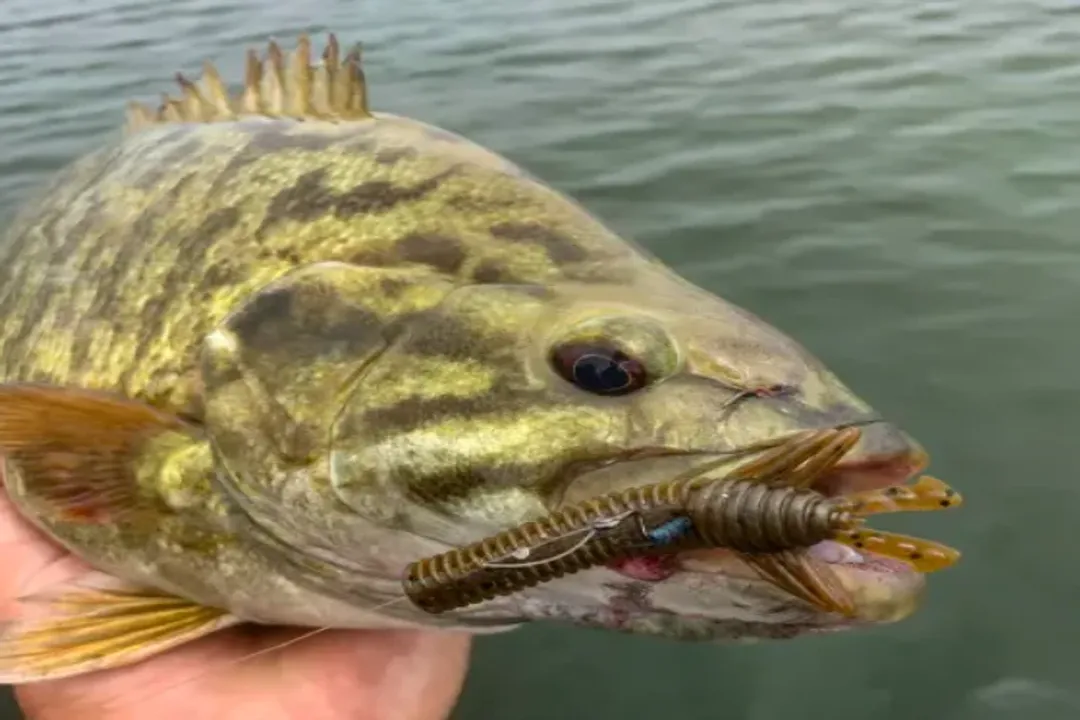
The classification of the smallmouth bass often sparks debate among anglers, particularly when it comes to their relationship with the lake or river bottom. While they are certainly known for rocketing off structure to strike a passing lure, the label of a true "bottom feeder" doesn't quite fit their aggressive, opportunistic nature. [3][2] A bottom feeder typically relies almost exclusively on food sources found directly on or in the substrate, like a catfish or a sucker. Smallmouth bass, conversely, are visual predators that will strike prey suspended in the water column just as readily as they will ambush something crawling along the gravel. [8]
# Diet Habits
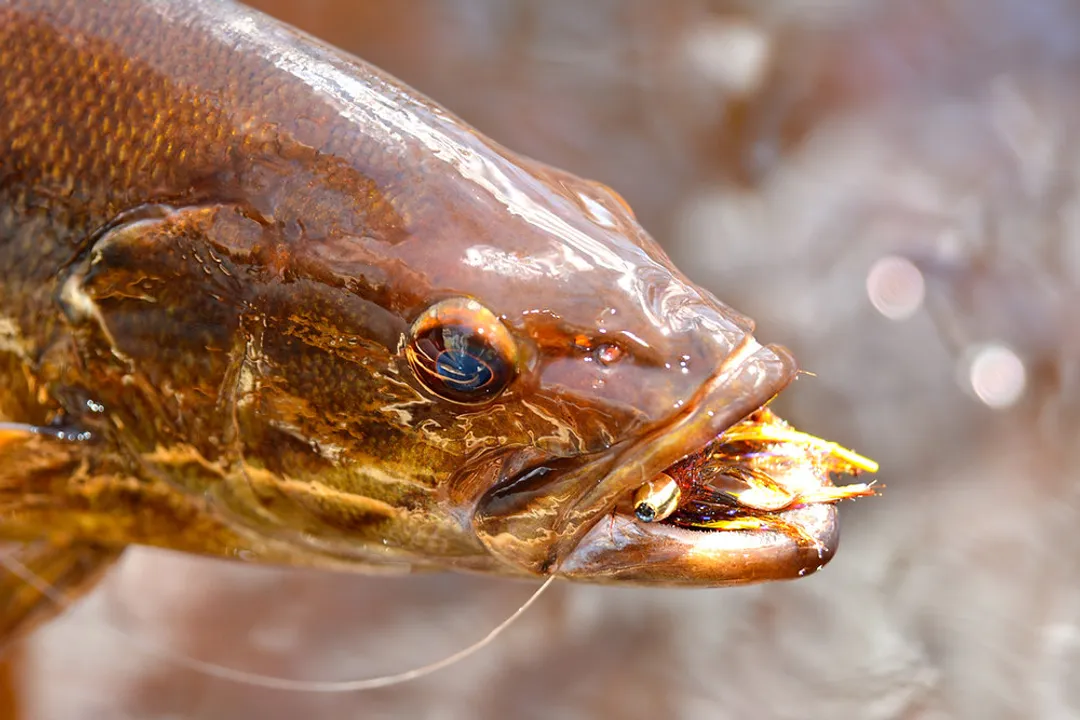
To understand where a smallmouth spends its time, one must first look at what it eats. The diet of the smallmouth bass is varied, consisting of a wide array of invertebrates and small fish. [9] In many environments, particularly rivers and the rocky sections of lakes, the diet heavily favors creatures that live on or very near the bottom. Crayfish and sculpins feature prominently in the diet of an established smallmouth. [2][7] Minnows, shad, and insects are also consumed in large quantities. [7][9]
The reliance on crayfish and sculpins is precisely why many anglers associate smallmouths with the bottom. These primary food sources spend the majority of their lives close to the substrate, hiding among rocks, submerged wood, or rooting in the gravel. [2] Therefore, the bass positions itself advantageously relative to this food source. They are ambush predators, and if the ambush point is near the bottom, the bass will be there, but they are certainly capable of hunting higher in the water column when the situation calls for it. [3]
This contrasts interestingly with species like trout, which are often strictly tied to hatches or current flows that position their feeding higher or mid-water, though trout also consume bottom-dwelling insects. Smallmouth bass demonstrate a broader predatory flexibility. [3] They are not constrained by a need to constantly sift the bottom sediment for sustenance; rather, they patrol areas where their preferred prey congregates. [2]
# River Positioning
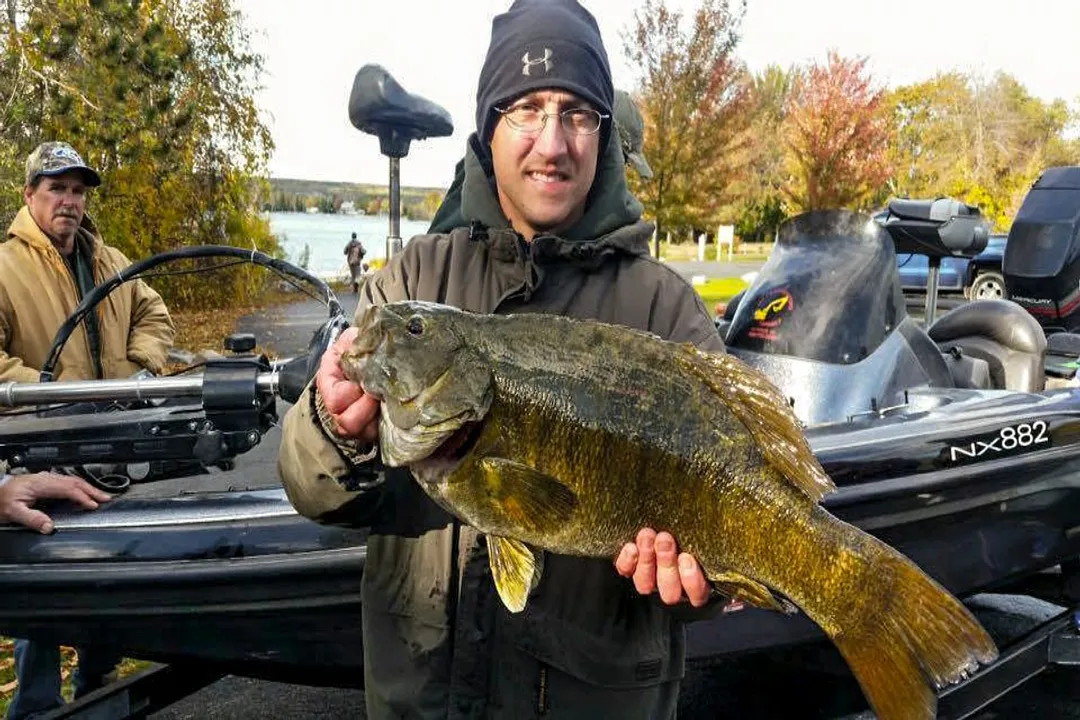
In flowing water systems, the relationship between the smallmouth and the riverbed becomes even more pronounced. River smallmouth often hold tight to the bottom structure, especially when facing into the current. [1] This positioning allows them to expend less energy while waiting for food to drift by them or to use the current breaks provided by large rocks, deep scour holes, or logjams.
When fishing rivers, many anglers find that the most consistent catches come from directly targeting the bottom structure. [1] If you are fishing an area with a mix of sand, gravel, and boulders, the fish will often hold tight against those larger, more stable features. The depth may only be a few feet, but their bodies will be held parallel and very close to the submerged material. [1] A lure that gets too high might miss the actively feeding fish looking for crawdad movement near the rocks.
It is an interesting behavioral observation that even when the river current is strong, forcing the bass to anchor themselves near the bottom structure, they are not necessarily feeding exclusively on items originating from the bottom at that exact moment. They are using the bottom structure as a tactical advantage point to survey the mid-water column and the surface for any passing opportunity. [4]
# Sculpin Importance
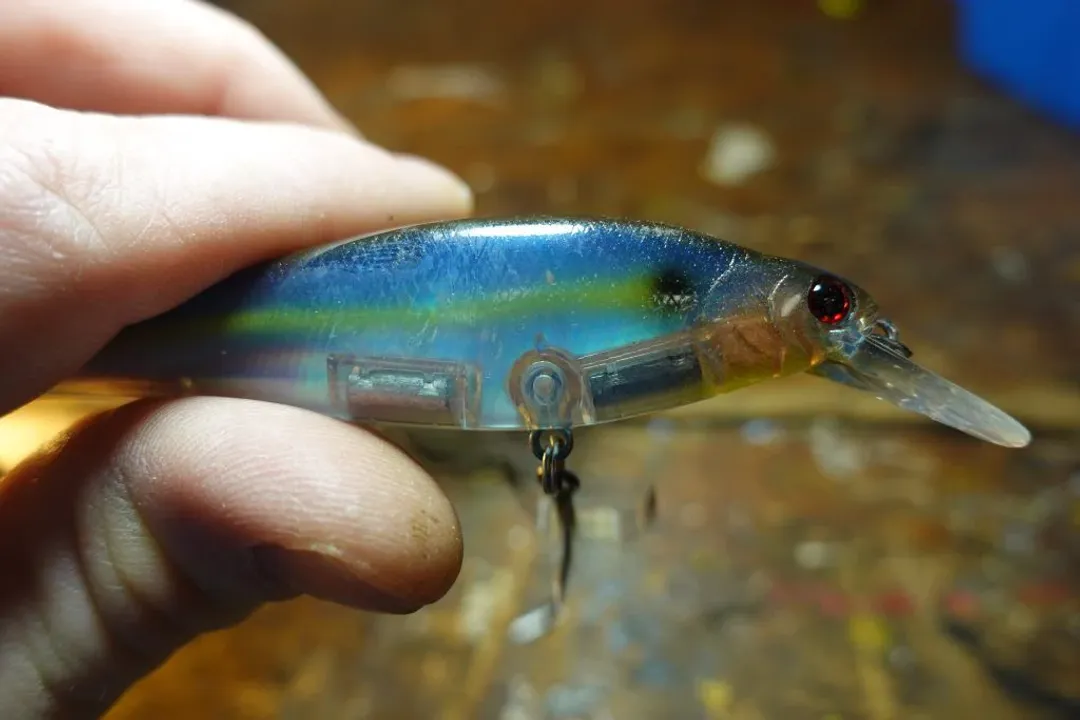
The sculpin provides perhaps the strongest argument for why smallmouth are frequently found near the floor of a body of water. Sculpins are small, bottom-dwelling fish that are well-camouflaged against gravel and rock substrate. [2] They rarely leave the bottom habitat except when moving between hiding spots or when being actively pursued.
Because sculpins are a staple food item, the smallmouth bass learns to associate these rocky, bottom-heavy areas with an easy meal. [2] When an angler retrieves a crankbait or a jig that mimics a sculpin, the retrieve path often needs to keep that lure bouncing or tumbling near the substrate to trigger a strike. [2] If the lure spends too much time swimming suspended mid-water, it might not trigger the same instinctual reaction from a bass that is keyed in on sculpins hiding in the cracks.
Consider the difference in how a bass approaches these two main food sources. A crayfish might be pulled out from under a ledge, necessitating a bottom-oriented presentation. A shad, however, might be schooling mid-column, prompting the bass to rise and chase. The smallmouth's successful integration into nearly any rocky habitat—from shallow, fast-moving rivers to deep, cold reservoirs—stems from its ability to master the environment where its preferred prey lives, which happens to be frequently near the bottom. [7]
# Water Column Use
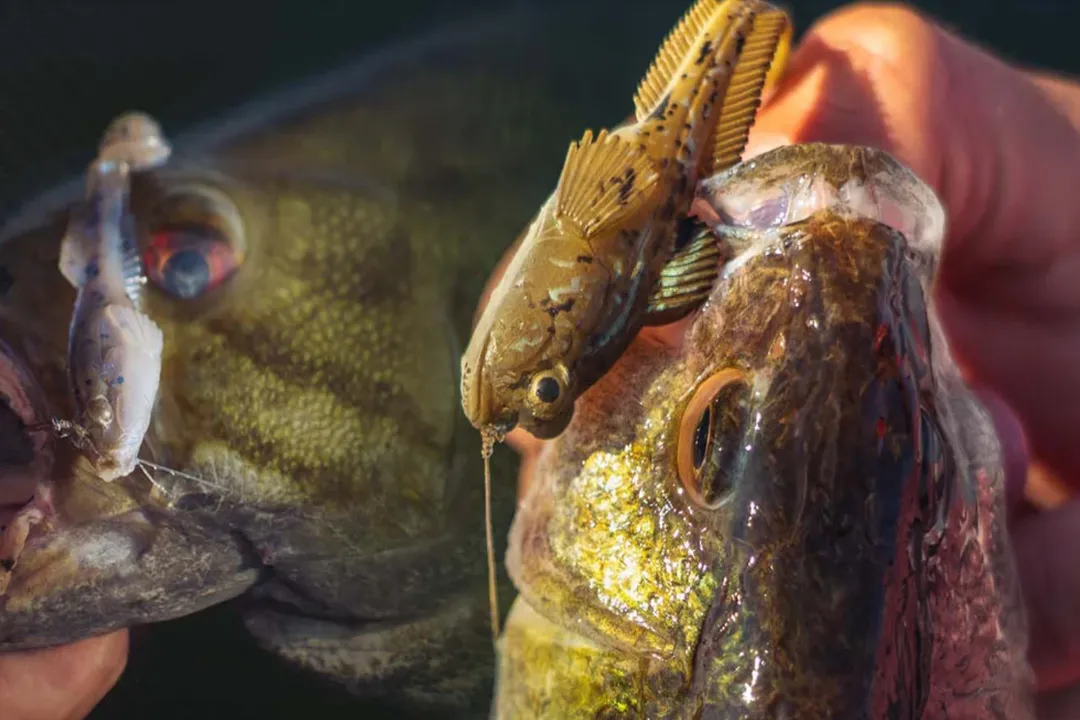
While proximity to the bottom is common, classifying smallmouth strictly as bottom feeders overlooks key aspects of their predatory behavior, especially in lakes. Smallmouth bass are active hunters and will utilize the entire water column depending on conditions, prey availability, and water temperature. [4]
One way to visualize this is considering the depth at which a bass is willing to strike. Anglers report that smallmouth will often strike a lure fished above them, indicating they are tracking movement vertically, not just horizontally along the floor. [8] If a fish were a pure bottom feeder, it would be less likely to commit to a vertically moving target that is clearly separated from the substrate. The fact that a smallmouth will chase a topwater plug disturbed across the surface or attack a suspended jerkbait proves they are not gravitationally anchored to the lakebed. [5]
In reservoir environments, especially during the summer months when water stratifies, bass may move deep seeking cooler, oxygenated water near the thermocline. If that thermocline happens to be sitting over a deep, flat, muddy bottom, the fish might be near the bottom, but their feeding activity might be focused on schools of baitfish holding slightly above the deepest mud layer. [4] A common fishing scenario involves finding bass staging on offshore humps or points, where they might hold suspended over rock piles rather than sitting directly on the highest point of the pile.

# Habitat Triggers
The impression that smallmouth are bottom feeders is largely a result of how we, as anglers, target them based on the structure they inhabit. They favor hard bottoms—rock, gravel, rubble, and boulders—over soft, silty, or muddy bottoms. [7][9] This preference means that the prime real estate for smallmouth bass is often the bottom terrain, which naturally leads to presentations aimed at that level.
For instance, when targeting them in the early spring or late fall, when the water is cold, smallmouth often move deeper and become sluggish. In these conditions, the best approach involves slow-rolling tubes or dragging jigs right along the bottom substrate to provoke a reaction strike, as the fish lack the energy for long chases. [5] This behavior reinforces the "bottom feeder" perception.
However, during warmer periods, especially in clear water systems, they can be found higher in the water column, often near weed lines or submerged timber that doesn't necessarily touch the bottom, or even chasing baitfish near the surface during a feeding frenzy. [5] The true skill in smallmouth fishing lies in recognizing that the structure dictates the area of interest, but the forage dictates the depth of the strike. If you are in a river and the sculpins are hiding under a rock shelf a foot off the main riverbed, the bass will be positioned near that shelf, not necessarily on the silt directly adjacent to it. If the shad are schooling fifty feet down in a lake, the bass will follow the shad, even if the bottom is a hundred feet below them. Their loyalty is to the food, not the floor.
The most effective anglers shift their thinking from where the fish lives to what the fish is currently pursuing. When a bass is actively feeding on a school of minnows moving across a relatively flat hard bottom, they are utilizing the bottom for orientation but feeding slightly above it. When they crush a crayfish darting between rocks, they are essentially feeding at the bottom. This duality means that while they rely heavily on bottom-dwelling food sources, labeling them simply as bottom feeders misses their adaptability as an apex, visually oriented predator within their chosen rocky habitat. [3][2]
#Videos
Smallmouth Bass - Fun Facts & Fishing - YouTube
Related Questions
#Citations
Are most River smallmouth on the bottom, and am I missing a lot of ...
Bottom Feeders: Smallmouths and Sculpins
In Praise of Smallmouth Bass (and why they are not trout)
Help me understand smallmouth movement - Bass Fishing Forums
Everything You Need To Know About Smallmouth Bass Fishing
Smallmouth Bass - Fun Facts & Fishing - YouTube
Smallmouth Bass (Smallie) - Jeff Currier
Smallmouth Bass - Fishing Planet Wiki