Is Alaska Pollock fish a bottom feeder?
The identity of Alaska Pollock, often marketed simply as "pollock," frequently leads to confusion regarding its place in the marine ecosystem, particularly concerning whether it deserves the "bottom feeder" label. This classification, often applied casually by consumers or market critics, suggests a fish that scavenges along the seafloor, which can carry negative connotations about cleanliness or quality. [3][5] However, understanding the true habitat and feeding strategy of Gadus chalcogrammus reveals a more nuanced picture than this simple categorization allows. The species is commercially important, especially in the North Pacific, and its ecological niche is distinctly different from what the term "bottom feeder" typically implies. [1]
# Water Column Dweller
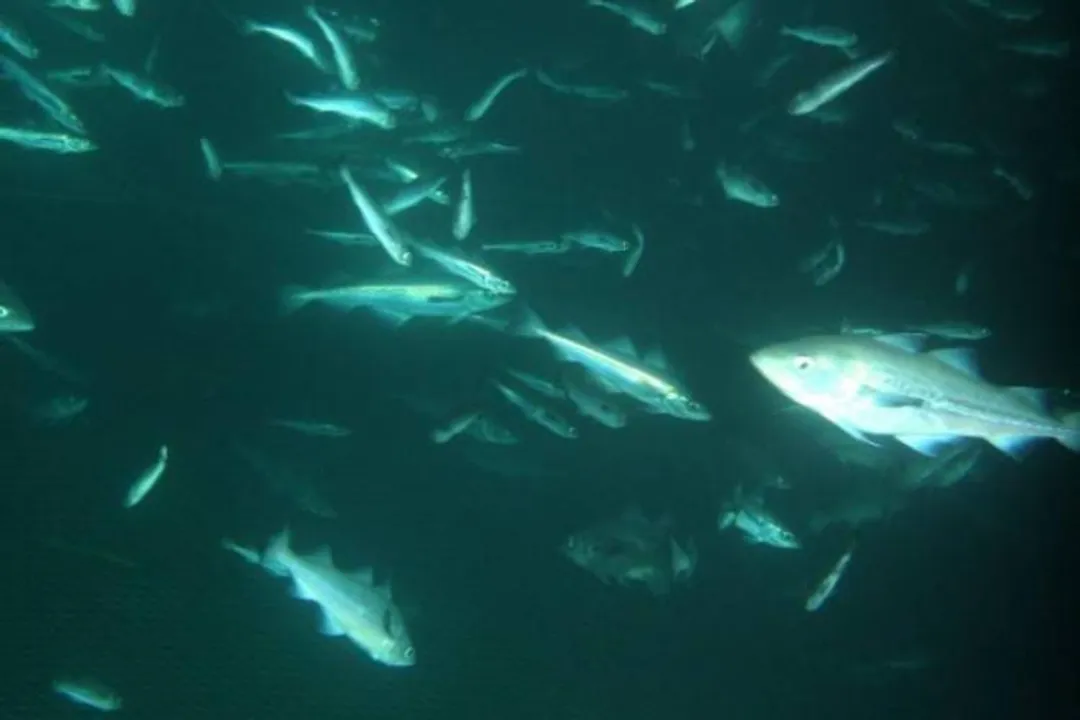
To accurately classify the feeding zone of Alaska Pollock, one must look at its preferred depth. While some associate any deep-sea fish with the benthic zone—the very bottom substrate—Alaska Pollock are primarily bathypelagic or benthopelagic fish. [1] This means they inhabit the deep water column, often suspended hundreds or even thousands of feet below the surface, rather than dwelling directly on the seabed. [6] They are known to inhabit depths ranging from the bottom of the photic zone down to about 1,800 feet (550 meters). [1]
The term "benthopelagic" suggests they spend time near the bottom, which is why the confusion arises. They are not strictly pelagic (open-ocean swimming) like tuna, nor are they strictly benthic (living on or in the bottom sediment) like sole or flounder. [6] Instead, their behavior involves vertical movement throughout the water column, although they are strongly associated with the deeper, colder waters near the continental shelf and slope. [1]
This distinction is significant. A true bottom feeder consumes detritus, mud, or organisms living in or on the sediment layer. Alaska Pollock, by contrast, are active, schooling predators that hunt suspended prey in the mid-to-deep water, making them more accurately described as deep-water foragers rather than detritus eaters. [2]
# Diet Composition
The prey consumed by Alaska Pollock further supports their classification away from that of a true bottom scavenger. Their diet is composed mainly of other small fish, crustaceans, and zooplankton that inhabit the water column. [2] Younger pollock feed heavily on copepods, while older, larger individuals shift their focus to eating krill, shrimp, and other small fish species. [1]
When considering the general understanding of seafood quality, the perception often links "bottom feeder" to an organism that consumes waste or lower-quality material found in the mud. Since Alaska Pollock primarily consume active, swimming organisms suspended in the water column—crustaceans and smaller fish—their feeding style is characteristic of a mid-water predator, not a bottom scavenger. [2] The fact that they are managed under the Bering Sea and Aleutian Islands Groundfish Fishery in the US also signals their association with the seabed environment, but their feeding activity remains focused on the water mass itself. [1]
If you consider a classic example of a true bottom feeder like Atlantic Croaker, which actively roots through sediment for invertebrates, the difference in behavior becomes clear. Pollock, while caught using gear that interacts with the bottom (trawls), are pursuing prey that lives above the seabed. [7]
# Market Misconceptions
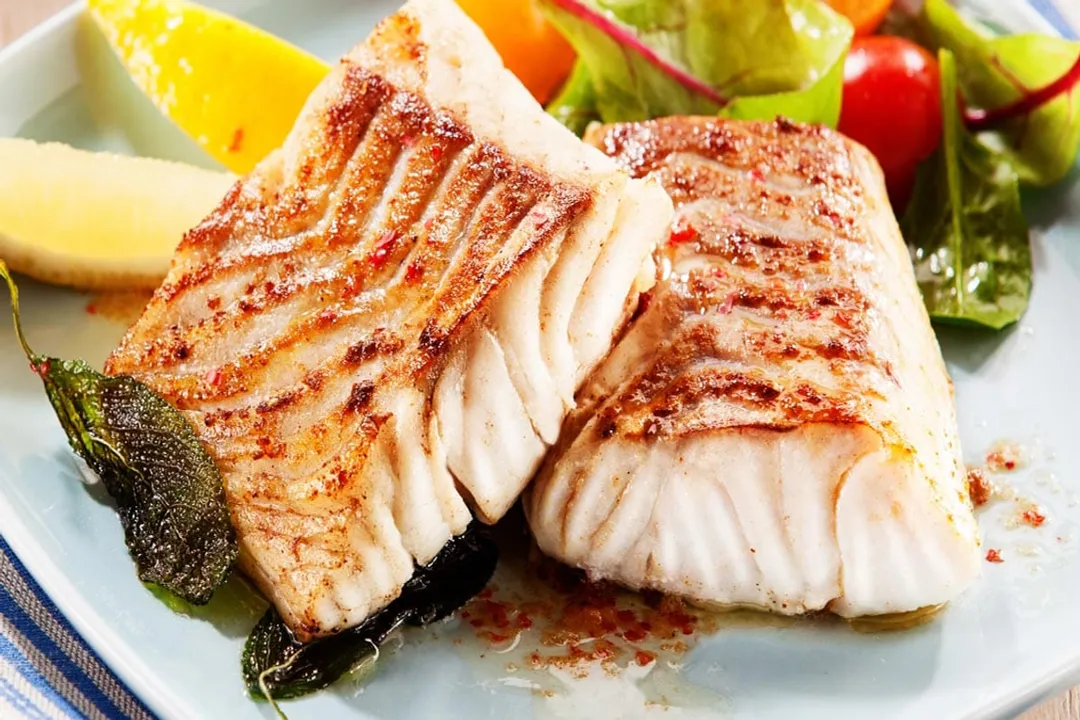
The persistent linkage of Alaska Pollock with the "bottom feeder" concept often has less to do with marine biology and more to do with marketing and the types of food products where pollock is prominently featured. [5] Pollock is an extremely high-volume, relatively low-cost whitefish, making it the primary component in many popular processed seafood items, such as fish sticks, fast-food fish sandwiches, and surimi (imitation crab meat). [4]
When consumers encounter a high-quality, fresh fish fillet labeled simply as "cod" or "haddock" (which are often associated with higher-end dining), and then see a similar-looking fillet labeled "pollock" used in a lower-cost application, the assumption arises that the difference in price and usage reflects a difference in the fish's origin or method of collection—often defaulting to the idea that the cheaper one must come from a less desirable source, like the bottom. [5] This perception gap means that even if the fish is scientifically documented as a mid-water predator, its market identity remains tethered to lower-tier expectations. [3]
For those interested in supporting fisheries using the most targeted methods, it is worth noting that while bottom trawling is a common method for harvesting pollock due to their deep-water schooling behavior, efforts are made to minimize seabed impact. [7] The sustainability rating assigned by organizations like Seafood Watch often hinges on the fishing method's severity, not solely on the fish’s diet. [7]
# Ecological Weight
Alaska Pollock forms one of the largest single-species fisheries globally, making its ecological role immense. [1] Its sheer abundance means that its feeding habits—consuming vast quantities of zooplankton and small fish—significantly impact the entire food web of the North Pacific ecosystem. This role as a major predator consuming smaller organisms in the water column is a much stronger ecological descriptor than classifying it based on its proximity to the seafloor.
To put the scale into perspective, consider that the annual catch volume of Bering Sea pollock can often exceed that of Atlantic cod, haddock, and hake combined in certain years, based on historical landing data. This massive removal of biomass from the mid-water zone creates ripple effects up the food chain, affecting populations of larger predators that rely on those same forage fish and crustaceans. [1]
A valuable practical point for environmentally conscious consumers to consider is the distinction between where the fish lives and how it is caught. Many highly valued species, like certain types of salmon, are caught near the surface, but the management focus shifts to bycatch rates. Conversely, pollock, caught deeper, requires gear that interacts with the bottom environment. Therefore, assessing pollock often involves looking at the gear type (e.g., pelagic trawls vs. bottom trawls) that catches them, rather than just accepting the simple "bottom feeder" label which misrepresents their actual diet. [7]
# Comparing Catch Methods
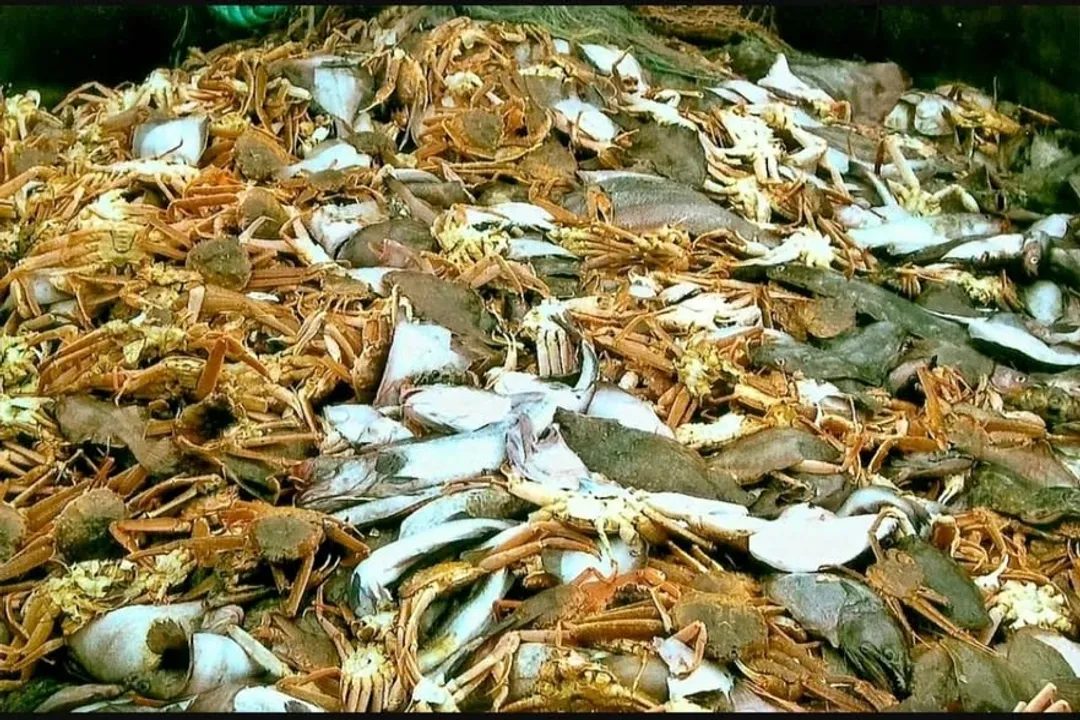
The equipment used to harvest Alaska Pollock is central to understanding the source of the "bottom feeder" myth. Trawling involves towing a large net through the water. If the net is designed to fish just off the bottom, it targets the pollock schools that congregate in the benthopelagic zone. If the net drags directly along the seafloor (a bottom trawl), it impacts the benthic habitat. [7]
In many cases, especially for large, well-managed fisheries like the one in the Gulf of Alaska or the Bering Sea, the nets used are pelagic trawls or midwater trawls, designed to operate above the seabed to target the suspended schools. [1][7] However, because the fish are close to the bottom, the perception remains that the entire operation is "bottom fishing."
This is a crucial area where consumer information can be misleading. If a piece of fish is sourced from a well-managed fishery that uses midwater trawls, the environmental impact on the seafloor is minimized, even though the fish itself resides in deeper water. Conversely, a less regulated fishery might employ more damaging bottom trawls, thus increasing the ecological footprint near the seabed, regardless of the pollock’s preference for swimming above it. Understanding the difference between the fish's ecological preference (mid-water) and the gear's physical interaction with the substrate (bottom contact) provides a much clearer assessment than relying on the single term "bottom feeder."
For readers making purchasing decisions, looking beyond the species name to the management body or sustainability guide is key. For instance, Seafood Watch ratings often differentiate based on fishing method, providing a much more granular view of the impact than a simple label can convey. [7] A consumer aiming for the lowest impact on the benthic zone should seek assurances that pelagic trawling methods were employed, even though the pollock itself is a deep-water generalist predator.
# Quality Perception Versus Reality
The final layer of this discussion involves the quality perception, which is intrinsically linked to the feeding zone label. In many casual discussions, "bottom feeder" is used synonymously with "lower quality" or "muddy taste." This is rarely true for Alaska Pollock. Their relatively mild, clean flavor—which is why they are so widely accepted in processed foods—stems from their diet of crustaceans and small fish in cold, deep water, not from consuming muck. [2]
The fish species that truly fit the bottom feeder description, like catfish or certain bottom-dwelling flatfish, have distinct flavor profiles often associated with their sediment-rich diet. Pollock, conversely, is prized for its mildness, a trait generally expected from species that feed higher up in the water column or in colder, cleaner environments. [2]
Ultimately, Alaska Pollock is not a bottom feeder in the classic sense of the word. It is a bathypelagic/benthopelagic predator that schools deep in the water column, preying on swimming organisms. The persistence of the "bottom feeder" label is a cultural and marketing artifact, rooted in the fish’s deep-water association and its high-volume use in processed foods, rather than a reflection of its actual biological feeding strategy. [3][4]
Related Questions
#Citations
Alaska Pollock | NOAA Fisheries
5 reasons to eat pollock
Just say NO to POLLOCK! - It's a dad life
Why is pollack not sold as pollack? : r/UKfood - Reddit
Is pollock the lowest-grade seafood used in restaurant filets ... - Quora
Walleye Pollock Species Profile, Alaska Department of Fish and Game
Are pollock a forage fish? - Facebook
Sustainable Pollock guide | Seafood Watch
What's a Polack - Walleye Message Central