Is pompano a bony fish?
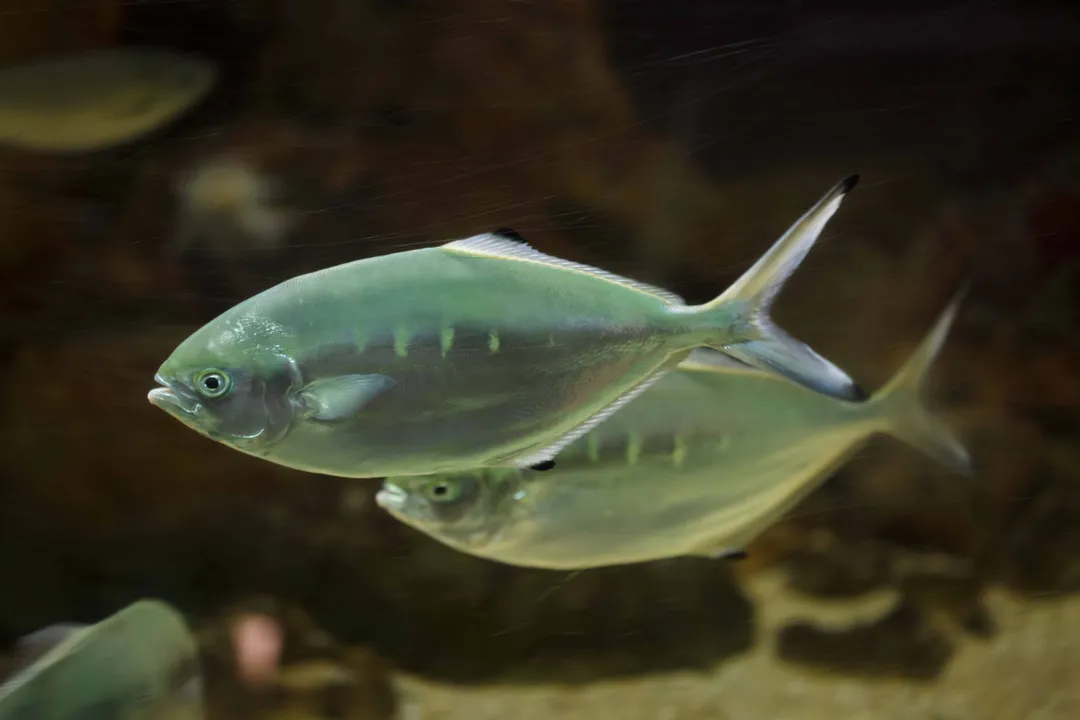
The lineage of any fish dictates much about its texture, flavor, and, importantly for the diner, its skeletal composition. Pompano, a highly valued marine fish known for its delicate flavor and high oil content, definitively belongs to the group known as bony fish. This classification places them within the superclass Osteichthyes, distinguishing them from cartilaginous fish like skates, rays, and sharks, whose skeletons are composed entirely of cartilage. Understanding this fundamental anatomy provides context for everything from how the fish moves in its natural habitat to how it ends up on your plate.
# Classification Basis
The scientific world categorizes fish based on skeletal material, fin structure, and other anatomical features. As members of Osteichthyes, all pompano species possess skeletons made of true bone tissue. This characteristic is shared across a vast majority of the world's fish species, making the bony nature of pompano the standard expectation rather than an exception for finfish generally. For example, the various species found globally, including those prized in commercial fisheries, adhere to this fundamental biological structure.
# Pompano Varieties
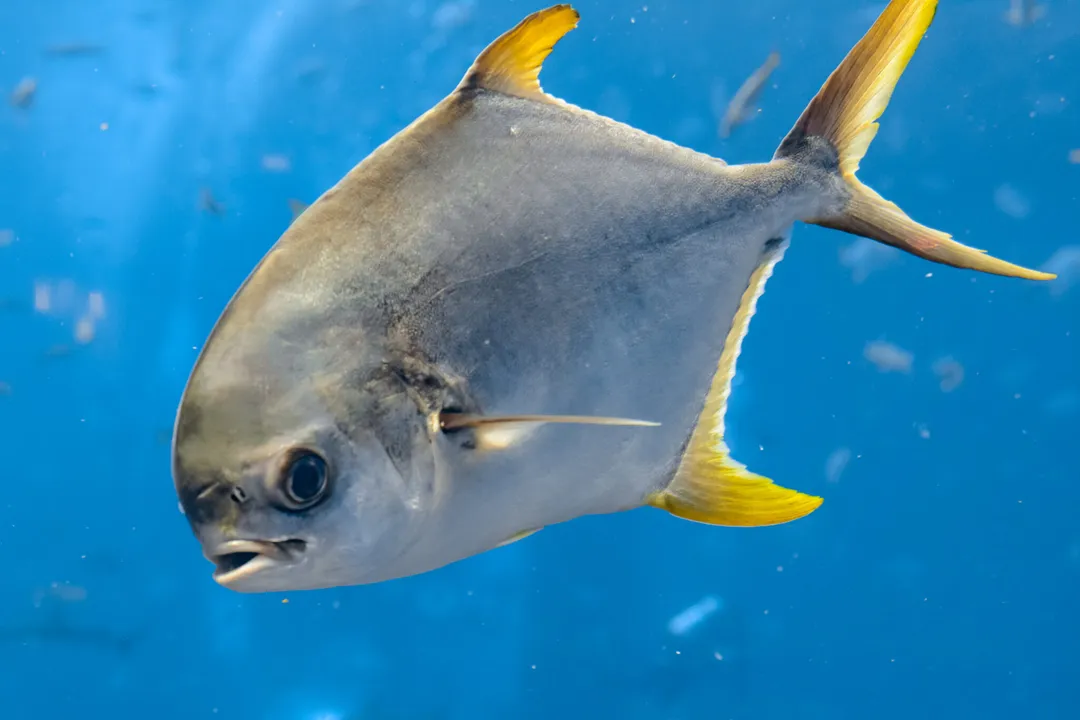
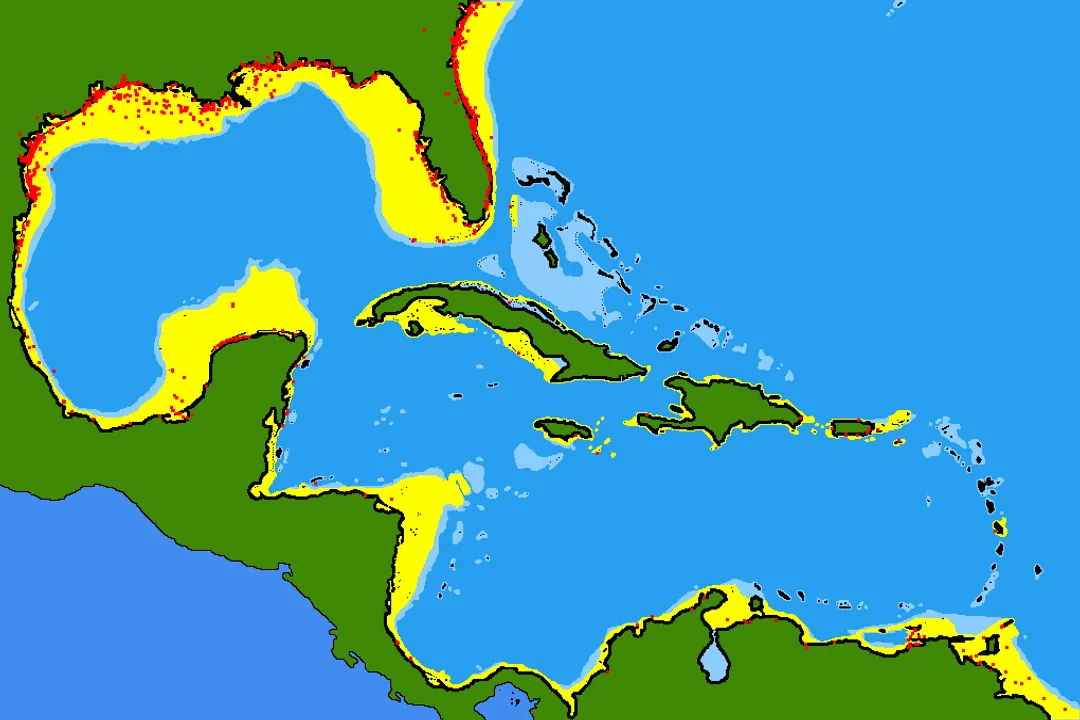
The term "pompano" frequently refers to several closely related species, all sharing that bony framework. The most famous in North American waters is the Florida Pompano (Trachinotus carolinus), celebrated for its buttery flavor. However, other species are significant in global markets. The Golden Pompano, sometimes called Dorade or Chinese Pomfret, is highly sought after, particularly in Asian cuisine, and is farmed extensively. Despite geographical separation or farming methods, the fundamental fact remains: whether you are preparing a wild-caught Florida Pompano or a farm-raised Golden Pompano, you are dealing with a species that has a bone-based skeleton.
The differences between these species often lie more in fat content, texture when cooked, and growth rate than in the presence or absence of bone. For instance, the Golden Pompano is noted for its relatively high fat content, which contributes to its rich mouthfeel, a trait often associated with larger, well-muscled bony species.

# Bone Structure Reality
While the blanket classification confirms pompano as a bony fish, the practical concern for many consumers isn't the presence of the main backbone, but rather the density and distribution of intermuscular bones, often called pin bones. In many bony fish families, especially those with long, slender bodies or fast-swimming habits, these tiny, needle-like bones can be challenging to navigate when eating the fish whole or even when consuming a fillet.
The experience of eating pompano is often described favorably in culinary circles precisely because, relative to some other bony species, it is considered "cleaner". This reputation suggests that while the skeleton is fully present, the number of fine, easily dislodged pin bones is lower than in fish known for being excessively bony. When fishmongers process pompano, they aim to remove the primary skeleton structure, leaving only the main muscle groups, but the residual pin bones remain a variable factor based on the size and age of the individual fish.
# Cooking Whole Fish
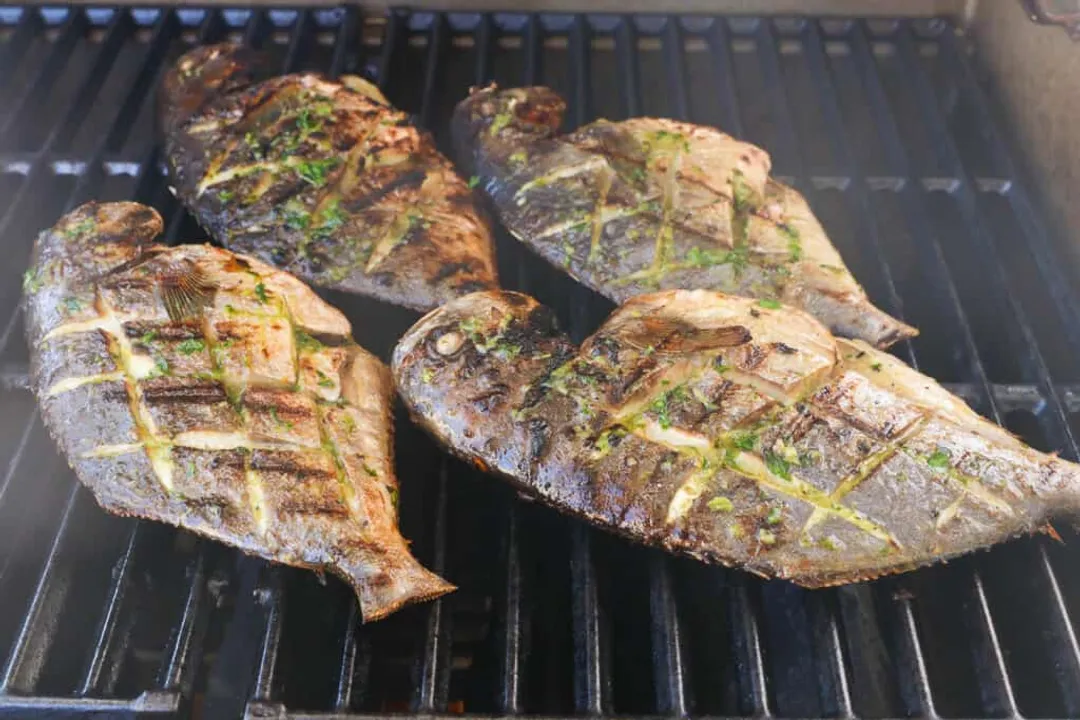
The presentation of a whole roasted or grilled pompano is visually impressive, which is likely why this method remains popular, especially for the Golden Pompano. When cooking any bony fish whole, the diner is accepting the challenge of navigating the entire structure. In this context, the quality of the flesh—its sweetness and fat content—must outweigh the minor inconvenience of separating meat from the rib structure.
The general expectation, even when purchasing a high-quality, whole fish, is that the spine and rib cage will require careful separation during eating. The FDA tracks substances for regulatory purposes, but consumer information leans toward the culinary handling of these biological structures. A whole, mature pompano, for example, will have a more developed and potentially denser network of supportive bones compared to a smaller, younger specimen.
If you look at the typical yield of a 1.5-pound whole pompano, you might expect to net about 0.6 pounds of edible flesh after removing the head, guts, and skeleton. This significant weight loss to bone and waste is standard across many bony ocean fish, highlighting that a substantial portion of the organism is dedicated to support structure, not edible meat. This reinforces the value proposition: you are paying for the superior flavor profile that accompanies this particular bony anatomy.

# Eating Experience
For those new to eating pompano, especially whole, managing the bones is key to enjoying the experience. If a chef or home cook has skillfully filleted the fish, the primary concern shifts to any remaining pin bones along the lateral line area of the fillet.
A good practice when dealing with fillets from a bony fish like pompano is to feel the flesh gently before seasoning. If you are unsure about the removal of the fine bones, a quick, light score across the fillet, perpendicular to the spine line, can sometimes reveal protrusions that can then be pulled out with tweezers or small pliers. This simple check, often overlooked, can turn a potentially frustrating meal into a smooth one, ensuring the diner appreciates the texture and taste without worrying about swallowing something sharp. It is this proactive identification of the inherent bony structure that allows diners to fully benefit from the rich, oily meat pompano provides.
Ultimately, the answer is definitive: pompano is a bony fish, belonging to the Osteichthyes class. However, its reputation in the marketplace suggests that its bony structure is less intrusive than in many other contenders in the seafood aisle, making it a favored choice for those who appreciate flavor enough to manage a little delicate navigation around the skeleton.
Related Questions
#Citations
Pompano - Wikipedia
Pompano Fish Facts - A-Z Animals
Pompano - FoodUniversity.com
What is Golden Pompano Fish?
Grilled Pompano Fish - Immaculate Bites
POMPANO DOLPHINFISH - precisionFDA
Species: Trachinotus carolinus, Florida Pompano
Any whole fish with few small bones? : r/Cooking - Reddit
Pompano Dolphin - Florida Museum of Natural History