Which appendages are covered in chemoreceptors vital for detecting odors in the water?
Answer
Small Antennae (Antennules)
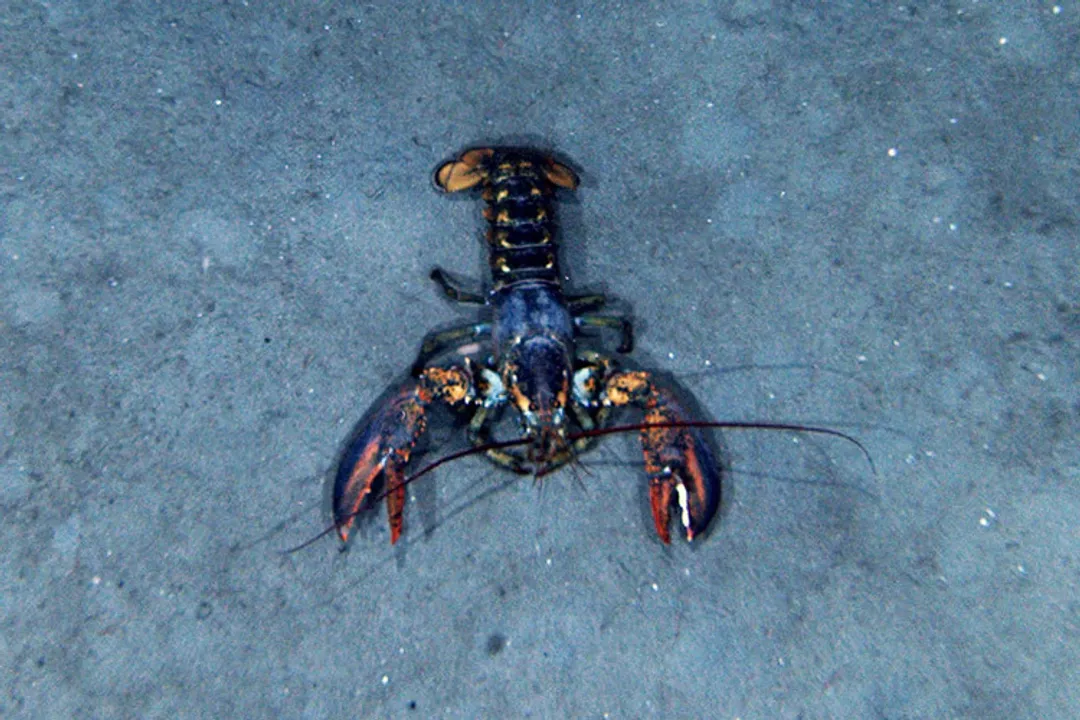
Chemical perception is the lobster's primary means of gathering critical information from its environment, often superseding vision in importance on the dark ocean floor. This sensory input is primarily gathered by the Small Antennae, also known as antennules. These structures are densely covered with specialized structures called chemoreceptors, which are delicate hairs capable of detecting chemical signals and odors dissolved in the surrounding water. This ability is crucial for locating distant food sources, identifying the presence of predators, and finding potential mates, functioning as the organism's primary long-range chemical detection system.
Related Questions
What pigment masks the red color in a live Homarus americanus before cooking?What are the two main sections comprising the lobster's twenty-one body segments?What food processing role is specifically attributed to the Pincher/Cutter Claw?Which appendages are covered in chemoreceptors vital for detecting odors in the water?What copper-based protein transports oxygen in the lobster's circulatory fluid?What is the light-green substance inside the carapace known as, which functions as liver and pancreas?What functional meaning is conveyed by the order Decapoda for lobsters?How do lobsters utilize specialized glands near their head for chemical signaling?How is the lobster's nervous system structured, relying on clusters rather than a centralized brain?Comparing Blue Lobsters (1 in 2 million) to Orange Lobsters (1 in 30 million), which is statistically rarer?