What are the physical characteristics of a lobster?
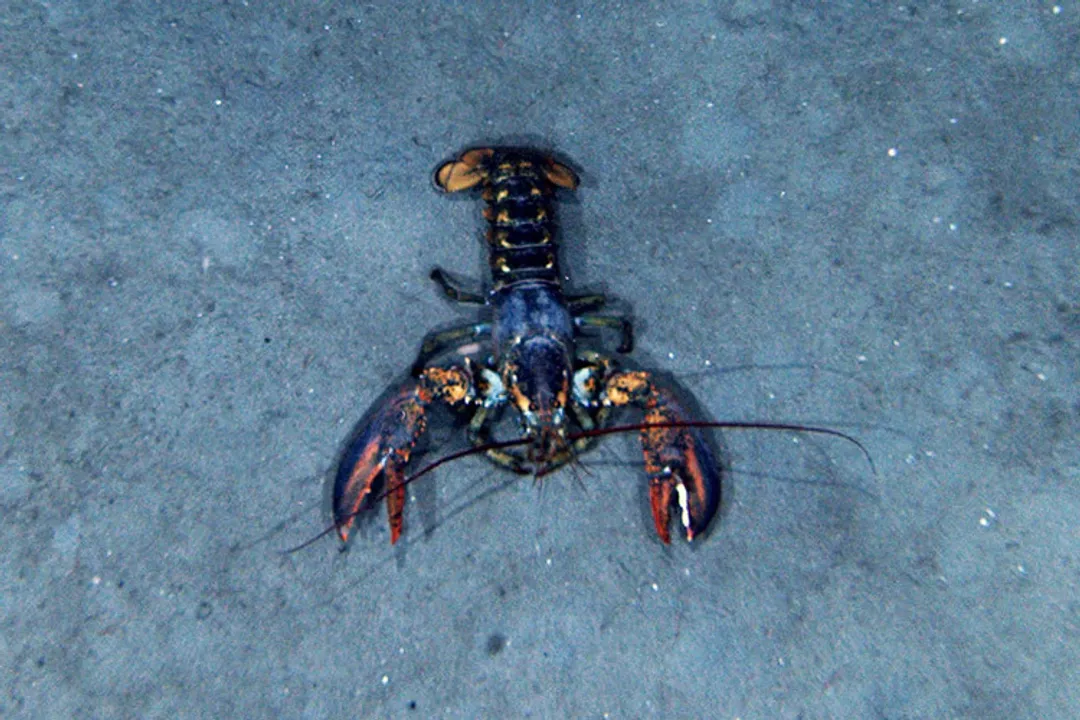
The lobster, a creature frequently relegated to the dinner plate, possesses a physical architecture far more complex and fascinating than its final presentation suggests. As a member of the crustacean class Malacostraca and the order Decapoda—meaning "ten-footed"—its body plan is fundamentally different from vertebrates, relying on external armor and specialized appendages for survival in the benthic zone.
# Body Structure
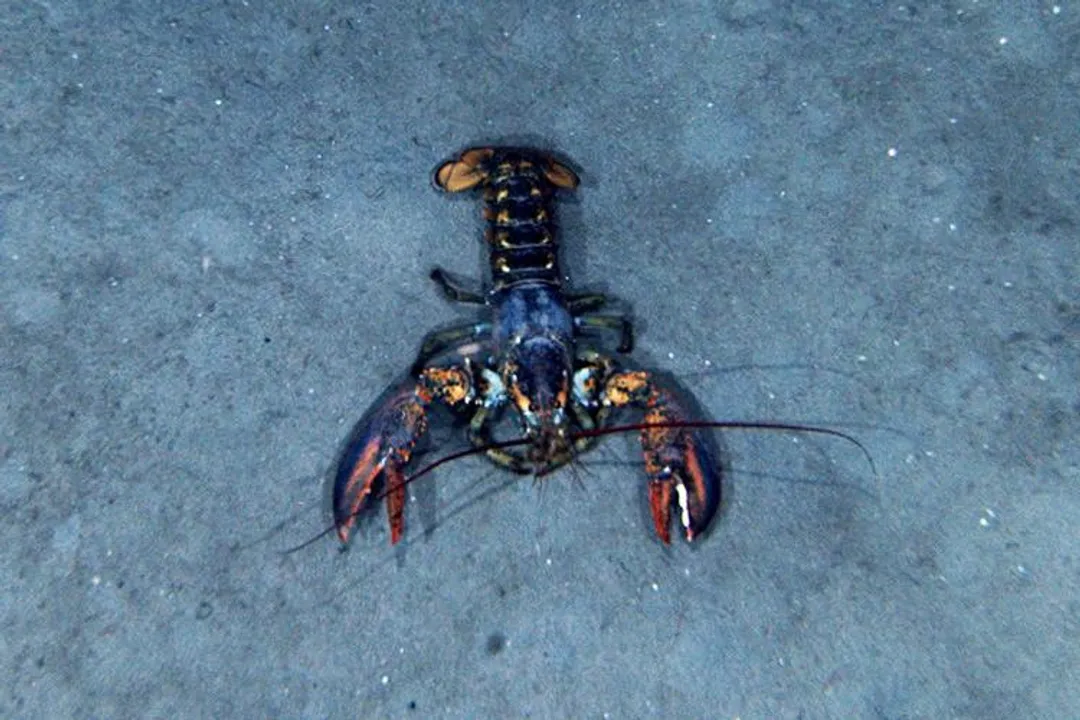
The exterior anatomy of the lobster is dominated by a hard, protective exoskeleton, a structure composed of chitin reinforced with calcium carbonate. This shell acts as the animal's skeleton, providing essential armor against predators on the sea floor, but it comes at a cost: the shell cannot grow, necessitating a recurring, perilous process called molting.
The lobster’s body is clearly organized, traditionally divided into twenty-one segments that aggregate into two main sections: the cephalothorax and the abdomen.
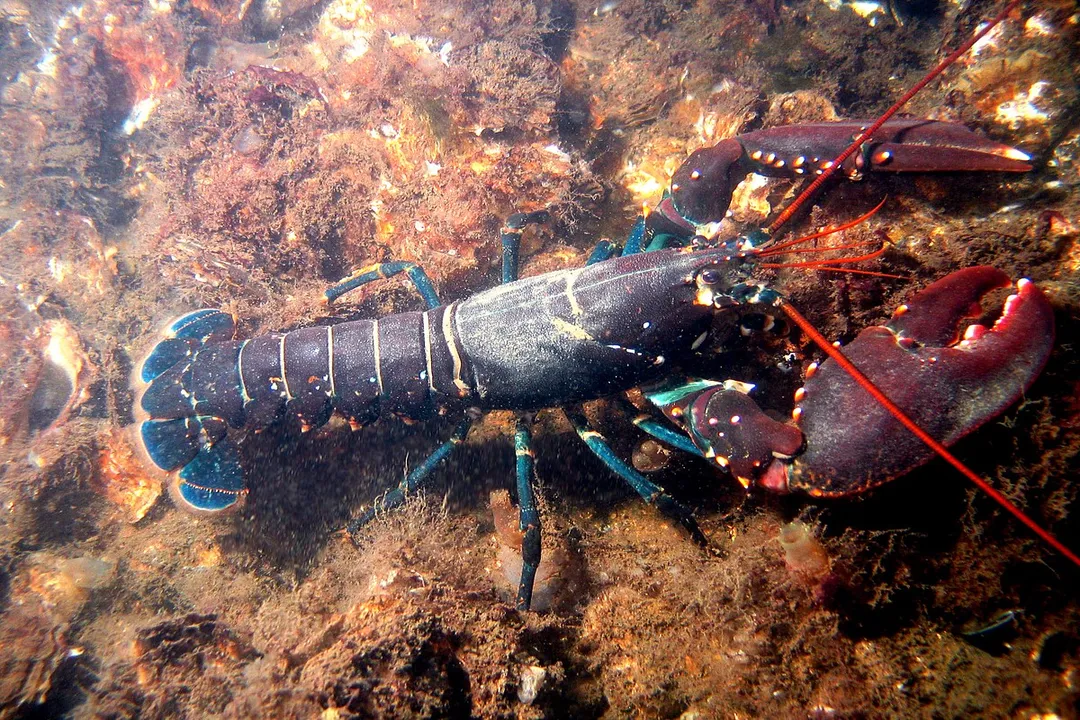
The cephalothorax fuses the head and the thorax. The head section houses the eyes, antennae, antennules, and mandibles. The thorax, or midsection, is where the walking legs and the claws attach. For the Homarus americanus, or American lobster, the segment breakdown is six segments in the head, eight in the thorax, and seven making up the abdomen.
The posterior section is the abdomen, which is commonly known as the tail. This part is distinctly segmented and muscular. The very end of the tail forms the tail fin, which is composed of the central telson and the outer uropods. When a lobster needs to flee quickly, it contracts this muscular abdomen forcefully, propelling itself backward in a reaction that can reach speeds up to 11 mph.
# Appendages Ten
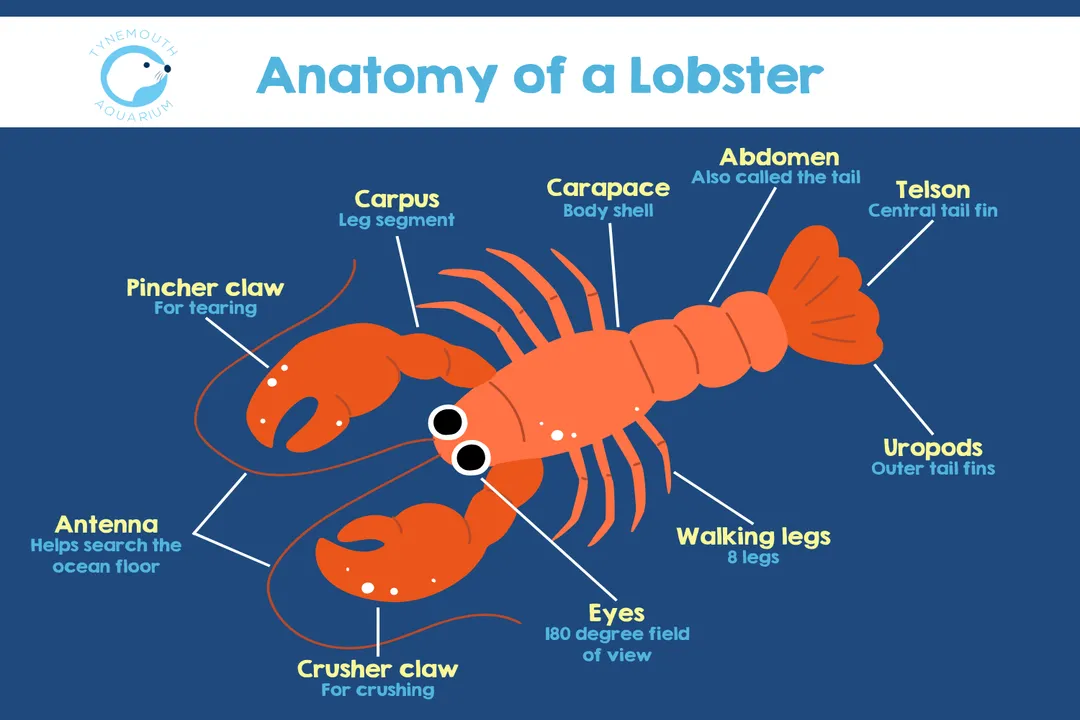
As decapods, all lobsters possess ten legs extending from the thorax region. These ten limbs are categorized by function, and in the case of true, clawed lobsters, three pairs bear claws, with the first pair being significantly modified.
# Claws Specialization
The first pair of legs terminates in large claws, or chelae, which are crucial tools for defense, dominance displays, and feeding. True lobsters typically feature two distinct claws, a specialization that often mirrors handedness in humans.
- Crusher Claw (Cheliped): This claw is generally the larger of the two and possesses thick, rounded teeth designed for brute force—specifically crushing hard-shelled prey like mussels and clams.
- Pincher/Cutter Claw (Cheliped): The opposing claw is usually smaller, more agile, and has sharper, finer edges used for tearing or cutting softer food items like fish or worms.
Lobsters that have lost one or both claws are termed culls in the industry and may be sold at a reduced price. The ability to regenerate these appendages through molting is remarkable, though it can take several years for a lost claw to regain its original size. If a lobster loses its primary crushing claw, its method of accessing energy-dense prey is severely compromised until regeneration occurs, which may place it at a disadvantage in establishing or maintaining social hierarchies.
# Locomotion
The remaining eight legs are the pereiopods, primarily dedicated to walking along the ocean floor. The two pairs of walking legs immediately behind the claws also serve a sensory role, equipped with "taste" sensors that allow the lobster to process food it encounters or holds close.

# Sensory Apparatus
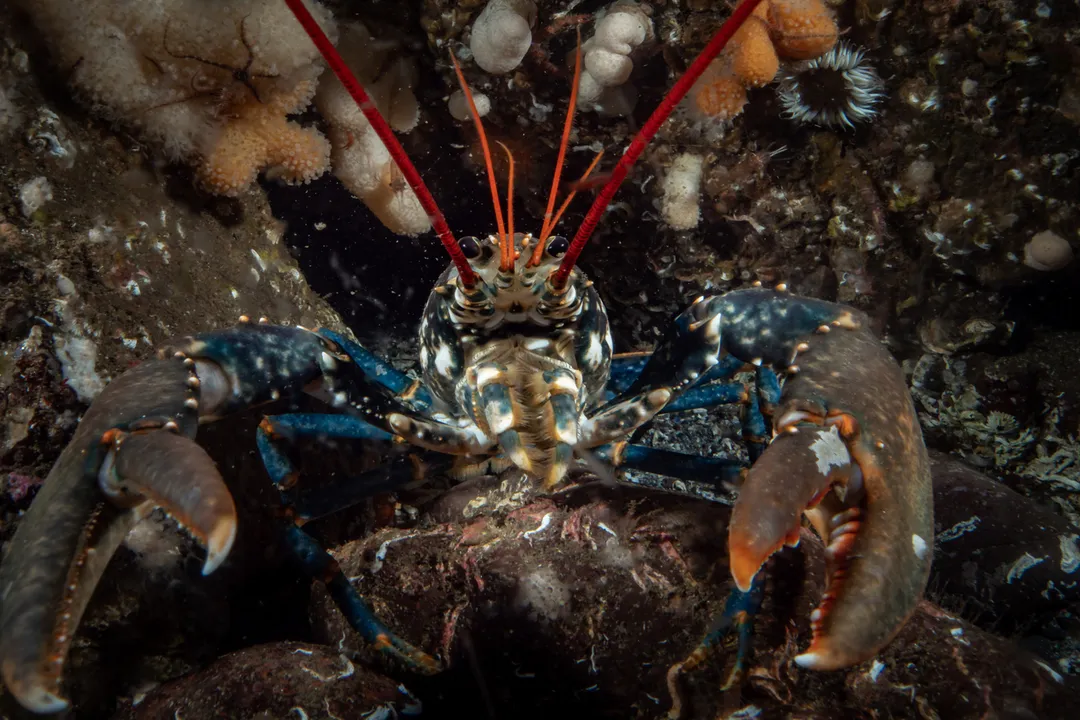
Life on the murky ocean floor relies less on sharp vision and more on chemical and tactile perception.
# Vision Limitations
Lobsters have compound eyes situated on movable stalks, granting them a wide, near 180-degree field of view. However, their visual acuity is low. Unlike human eyes that rely on refractive lenses, lobster eyes feature thousands of tiny, mirrored tubes that focus light through reflection. This structure means they excel at detecting motion and shadows in dim light but cannot discern clear images or distinguish colors. This limited sight is practical for their nocturnal, benthic existence.
# Chemical Perception
The primary sensory input comes via the antennae, of which the lobster has three pairs in total according to some descriptions. More broadly, they possess two main sets of antennae/antennules:
- Large Antennae: Primarily used for touch and navigation, these can also be deployed defensively to fend off rivals.
- Small Antennae (Antennules): These are covered in delicate hairs tipped with numerous chemoreceptors. These receptors are vital for detecting chemical signals and odors in the water, allowing the lobster to locate potential mates, identify predators, and hunt for food even from a distance.
It is worth noting that lobsters also "taste" using chemosensory hairs located on their feet and legs, allowing them to analyze food sources right at the point of contact.
# Internal Mechanics
Beneath the chitinous armor lie several systems adapted for a marine, bottom-dwelling life.
# Circulation and Respiration
Lobsters have an open circulatory system, meaning their blood does not remain entirely confined within vessels but bathes the organs directly. The blood itself is a noteworthy physical characteristic: it is normally clear or greyish/clear inside the body. Its characteristic blue coloration only appears when the blood is exposed to oxygen, as it uses the copper-based protein hemocyanin to transport oxygen, unlike the iron-based hemoglobin that gives red blood its color in vertebrates. The heart, which pumps this fluid, is a simple, single-chambered organ situated above the stomach.
Oxygen extraction occurs through gills, which are feather-like, blood-filled filaments located within the thorax, with five pairs attached near the legs, including the claws. Because they rely on gills to pull dissolved oxygen from the water, lobsters can only survive out of water for a short period (up to 36 hours) provided their gills are kept moist.
# Digestive Machinery
The digestive tract begins with the foregut, which is equipped with grinding teeth called the gastric mill. These teeth, located within the stomach structure in the cephalothorax, break down hard shells. The midgut processes the particles, and the hindgut eliminates waste. The light-green substance found inside the carapace, the tomalley, is the hepatopancreas, functioning as both the liver and pancreas. Some health advisories suggest caution when consuming this part due to potential contaminant accumulation.

# Type Differentiation
Not all creatures labeled "lobster" share the same physical presentation; they are generally separated into clawed lobsters (Nephropidae or Homaridae) and spiny lobsters (Palinuridae).
| Feature | Clawed Lobster (Homarus) | Spiny Lobster (Panulirus) |
|---|---|---|
| Front Appendages | Possess large, asymmetrical claws (crusher and pincher) | Lack large claws; have two small, hook-like claws |
| Body Texture | Hard, smooth carapace typical of true lobsters | Very spiny projections covering the body |
| Antennae | Two pairs of antennae/antennules, with large navigational pair | Possess two very long antennae |
| Edible Portions | Meat found in claws, legs, and abdomen (tail) | Meat typically only from the abdomen (marketed as "tail") |
| Habitat | Generally found in cooler waters (e.g., North Atlantic) | Most species prefer warmer, tropical waters |
For example, the American lobster (Homarus americanus) is a true lobster known for its prominent claws. Conversely, the California spiny lobster (Panulirus interruptus) is characterized by its spiny exterior and reliance on its large antennae rather than claws for defense.
# Growth Coloration
Lobsters exhibit impressive physical changes related to growth and pigmentation over their long lifespans.
# Growth and Molting
Lobsters grow throughout their entire lives, a characteristic linked to their production of the enzyme telomerase into adulthood. Since the exoskeleton is rigid, growth requires shedding the old shell—molting—and swelling with water before the new shell hardens. Newly hatched lobsters molt rapidly, sometimes multiple times in the first month. As they age, molting slows, perhaps occurring annually for adults.
Despite their ability to continue growing and regenerating limbs, they are not truly immortal; aging individuals can die from exhaustion during molting or succumb to shell degradation and bacterial infection when they lack the energy reserves to molt further.
# Pigmentation Variability
The common perception is a bright red lobster, but in their natural habitat, Homarus americanus are typically olive-green or greenish-brown. The iconic red hue is a result of cooking, where heat breaks down the pigment crustacyanin, unmasking the underlying red pigment, astaxanthin.
Atypical coloration results from rare genetic mutations, and these individuals are rarely eaten, often being released or donated to aquariums due to their statistical significance. The odds of encountering these variants are incredibly low:
- Blue Lobsters: Occur about once in every 1 to 2 million.
- Orange Lobsters: Can be as rare as 1 in 30 million.
- Albino/White Lobsters: Are the rarest, sometimes cited at 1 in 100 million. These unique specimens are often translucent and will retain their pale color even after cooking, as they lack the astaxanthin pigment entirely.
Considering the low probability of catching a blue lobster (1 in 2 million) versus an orange one (1 in 30 million), it suggests that the genetic pathways leading to a lack of green pigment (blue) are significantly more common than those leading to a complete lack of both red and green/yellow pigments (orange).
Clawed lobsters can reach massive sizes, with the largest recorded specimen weighing over 44 pounds, leading to estimates that some individuals may live to be 100 years or more. The size of commercially harvested lobsters, however, is often regulated by minimum carapace lengths, such as the 3 1/4 inches minimum for American lobsters in many areas, ensuring they reach reproductive maturity before harvest.

# Internal Signaling
Beyond the gross anatomy, the nervous system and excretory functions reveal further physical adaptations. Lobsters do not possess a complex, centralized brain like mammals; instead, they rely on fifteen scattered nerve clusters called ganglia throughout their body, with a main cluster located near the head. While these structures process stimuli, the capacity for subjective pain remains a subject of scientific debate.
Communication, however, is partially physical and chemical. Lobsters use specialized glands near their head to urinate on each other as a form of chemical signaling. This chemical communication, involving pheromones, helps establish social structures and can play a role in mating behavior.
The physical traits of lobsters—from the density of chemoreceptors on their small antennae to the specialized ridging on their crusher claw—are all finely tuned instruments for survival and feeding in the deep, often dark, recesses of the ocean floor, making them far more than just edible crustaceans.
Related Questions
#Citations
Lobster - Wikipedia
Lobster Anatomy: Understanding The Basics Of Lobster Lingo
Lobster | Definition, Habitat, Diet, Species, & Facts | Britannica
American Lobster | NOAA Fisheries
Anatomy of a Lobster Explained - Tynemouth Aquarium
Anatomy & Biology - Lobster Institute - The University of Maine
Lobster Animal Facts
Homarus americanus (American lobster) - Animal Diversity Web
Maine Lobster Facts
California spiny lobster - Marine Species Portal