What food processing role is specifically attributed to the Pincher/Cutter Claw?
Answer
Tearing or cutting softer food items
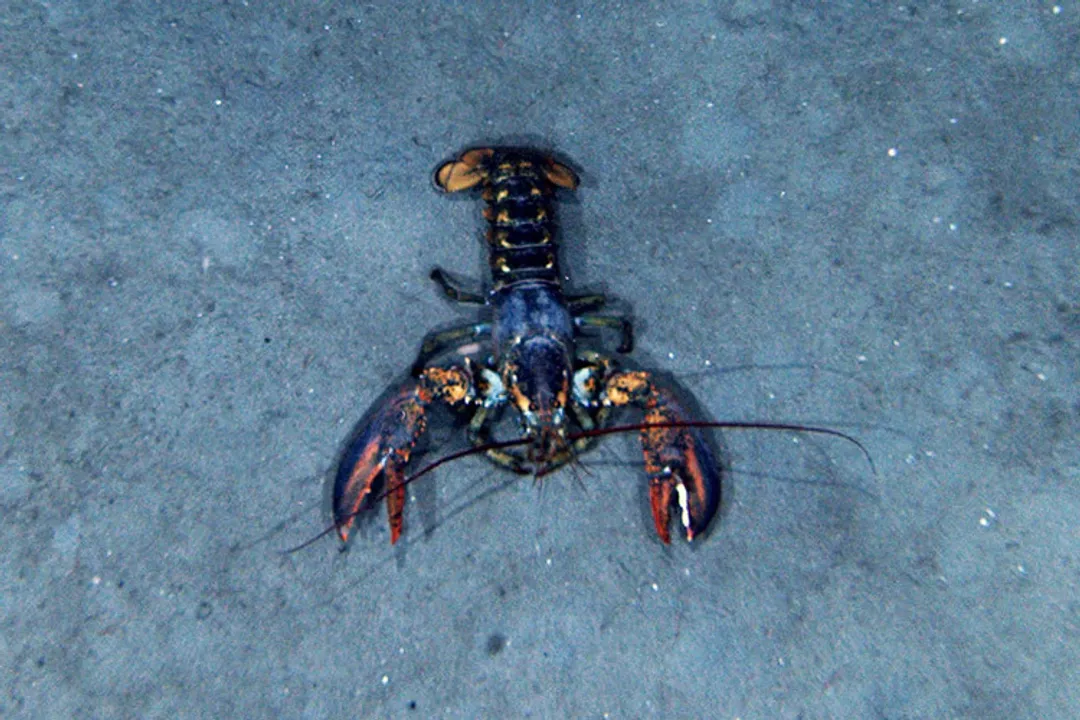
True, clawed lobsters possess two distinct claws, or chelae, on their first pair of legs, each specialized for different tasks. The Crusher Claw, generally larger, is equipped with thick, rounded teeth designed for applying brute force to break apart tough items like clams or mussels. In contrast, the Pincher/Cutter Claw, which is usually smaller and more agile, features sharper, finer edges. This specific morphology makes it ideal for tasks requiring precision, such as tearing apart or cutting softer food sources that the lobster encounters, like fish flesh or worms, distinguishing its role clearly from the crushing action of its counterpart.
Related Questions
What pigment masks the red color in a live Homarus americanus before cooking?What are the two main sections comprising the lobster's twenty-one body segments?What food processing role is specifically attributed to the Pincher/Cutter Claw?Which appendages are covered in chemoreceptors vital for detecting odors in the water?What copper-based protein transports oxygen in the lobster's circulatory fluid?What is the light-green substance inside the carapace known as, which functions as liver and pancreas?What functional meaning is conveyed by the order Decapoda for lobsters?How do lobsters utilize specialized glands near their head for chemical signaling?How is the lobster's nervous system structured, relying on clusters rather than a centralized brain?Comparing Blue Lobsters (1 in 2 million) to Orange Lobsters (1 in 30 million), which is statistically rarer?