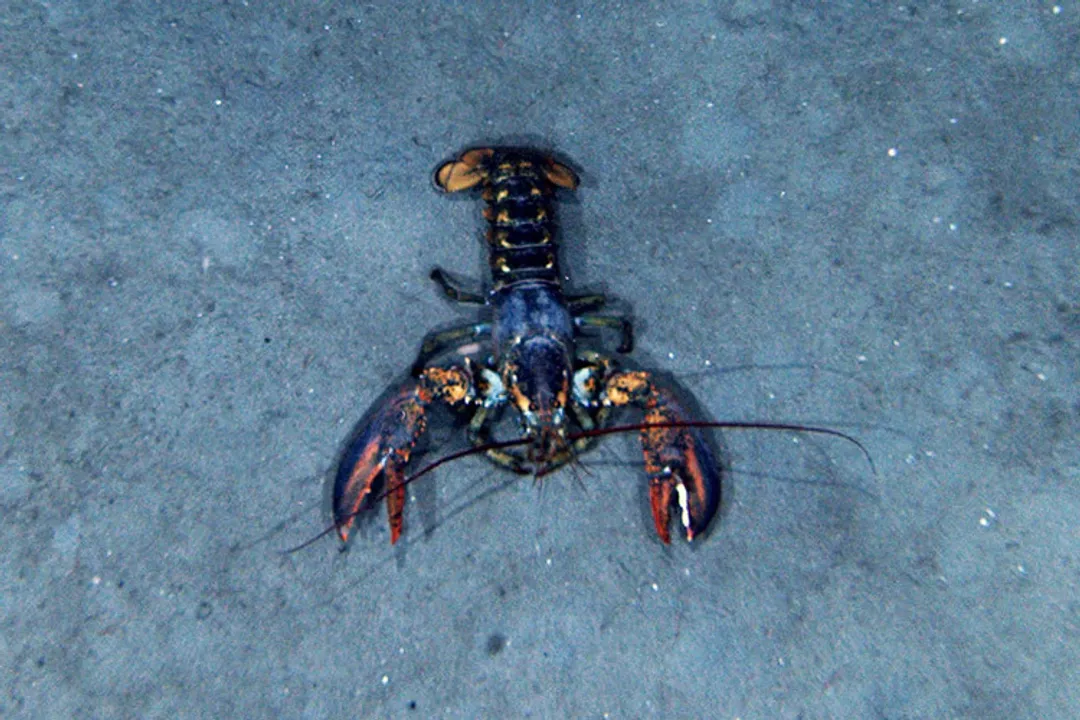
Comparing Blue Lobsters (1 in 2 million) to Orange Lobsters (1 in 30 million), which is statistically rarer?
Orange Lobsters
Atypical colorations in lobsters result from rare genetic mutations, and the probability of encountering these specimens varies significantly based on the specific mutation involved. Blue lobsters, which lack the ability to produce the carotenoid pigment masking component, occur at a frequency estimated around 1 in 2 million individuals. Orange lobsters, which represent an even more extreme deviation in pigment production, are cited as being substantially rarer, sometimes occurring only once in every 30 million lobsters caught. This comparison indicates that the genetic pathways leading to the absence of the green pigment (blue) are far more prevalent than the pathways that result in the orange coloration, making orange specimens significantly less likely to be encountered during harvesting.