What was the singular primary goal when engineering the Whippet during the 19th century?
Answer
To create a smaller, more affordable sighthound for coursing sport
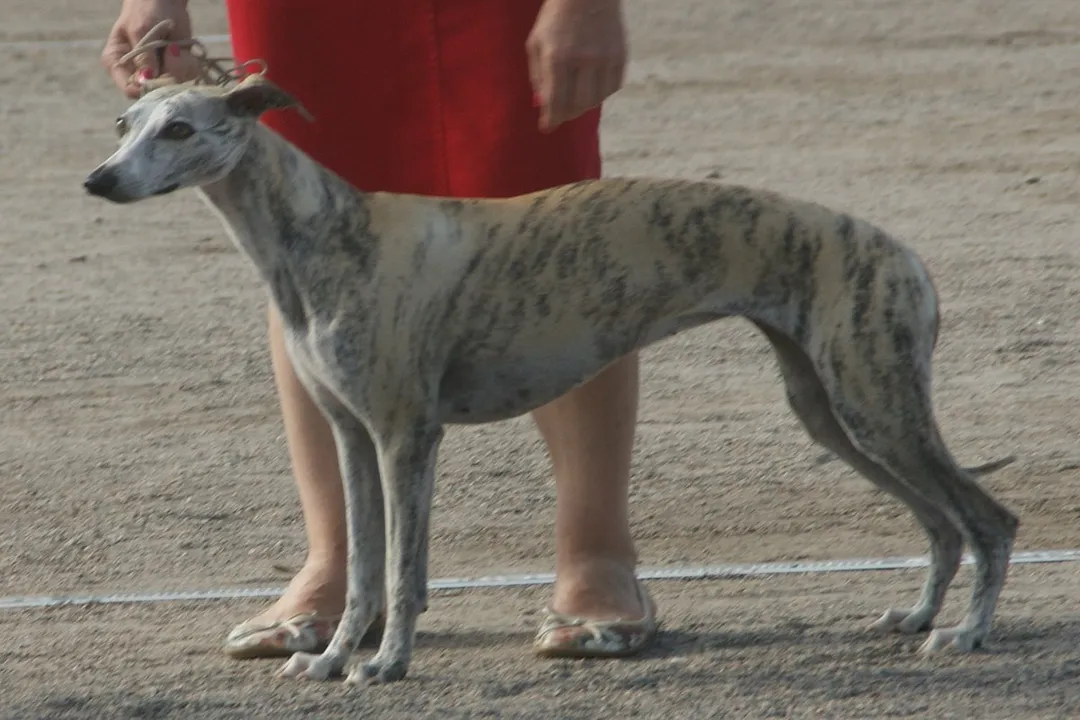
The creation of the Whippet was highly utilitarian, driven by the economic realities of the English Industrial Revolution's working class. These individuals needed a canine athlete that could compete successfully in sports like coursing, which often involved wagering money (pursuing a purse). The ideal dog had to incorporate the speed of the larger Greyhound but be small enough and inexpensive enough for a miner or factory worker to feed, house, and maintain comfortably in modest living conditions. Therefore, the goal was a specialized, economical version of the sighthound for sport.
Related Questions
What two canine profiles formed the foundation of the Whippet breed through targeted crossbreeding?Why did early Whippets sometimes earn the nickname "snap dog" in local coursing circles?Which physical blueprint elements did the Greyhound primarily contribute to the Whippet's velocity?What was the singular primary goal when engineering the Whippet during the 19th century?What factor caused the Terrier influence to potentially diminish in focus as the breed matured toward standardization?What administrative step formalized the ideal Whippet blending grace with pluck?Which defining size difference separates the finished Whippet from its Greyhound parent?What key development in North America provided a humane alternative for exercising the Whippet's innate chasing drive?What characteristic of the Whippet’s physical structure is described as essential for providing the 'crucial spring' in its stride?What critical trait ensured the Whippet's continued success into the 21st century beyond its initial coursing speed?Which key economic factor made the Greyhound unsuitable for the average 19th-century Northern English factory worker?