What underlying behavioral trait in *Canis lupus* allowed for adaptation to domestication?
Answer
A higher degree of behavioral plasticity.
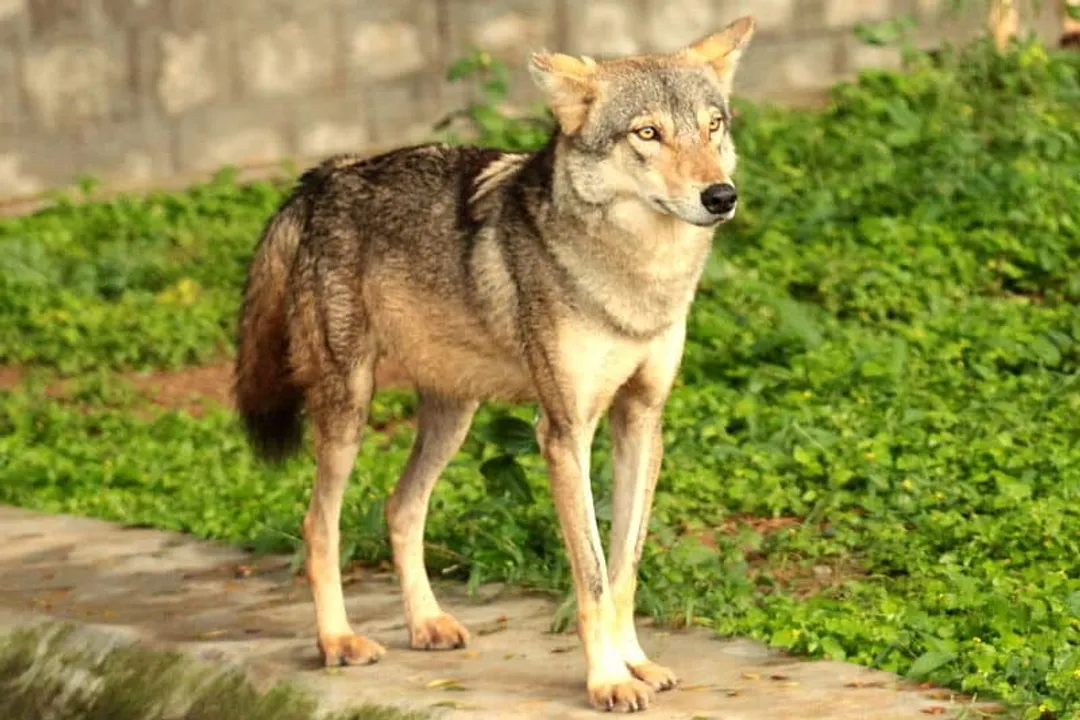
The evolutionary trajectory that allowed *Canis lupus* to diverge into the domestic dog, *C. l. familiaris*, points to an intrinsic genetic predisposition for flexibility in behavior. This behavioral plasticity is an evolutionary trait that permitted wolves to adapt successfully to a wide variety of environments across the Northern Hemisphere. This underlying flexibility, rather than hyper-specialization for a single niche, is what made the ancestral wolf capable of thriving alongside human populations and eventually undergoing the process of domestication.
Related Questions
What shared characteristics define *Canis lupus* belonging to Kingdom Animalia?Which feature is a hallmark of the Phylum Chordata placement for *Canis lupus*?Beyond diet, what anatomical basis defines the Order Carnivora for the wolf?Which mammals are grouped within the Family Canidae alongside wolves?What shared traits characterize members of the *Canis* genus?What reproductive capability defines the species classification *Canis lupus*?How is the domestic dog (*Canis familiaris*) often classified relative to *Canis lupus* today?Which specific North American subspecies is described as one of the largest extant wolf populations?What is NatureServe's global status designation for *Canis lupus* (G5)?What underlying behavioral trait in *Canis lupus* allowed for adaptation to domestication?What do genetic tests often reveal about many historical North American subspecies classifications?