What reproductive capability defines the species classification *Canis lupus*?
Answer
Ability to interbreed and produce fertile offspring among themselves.
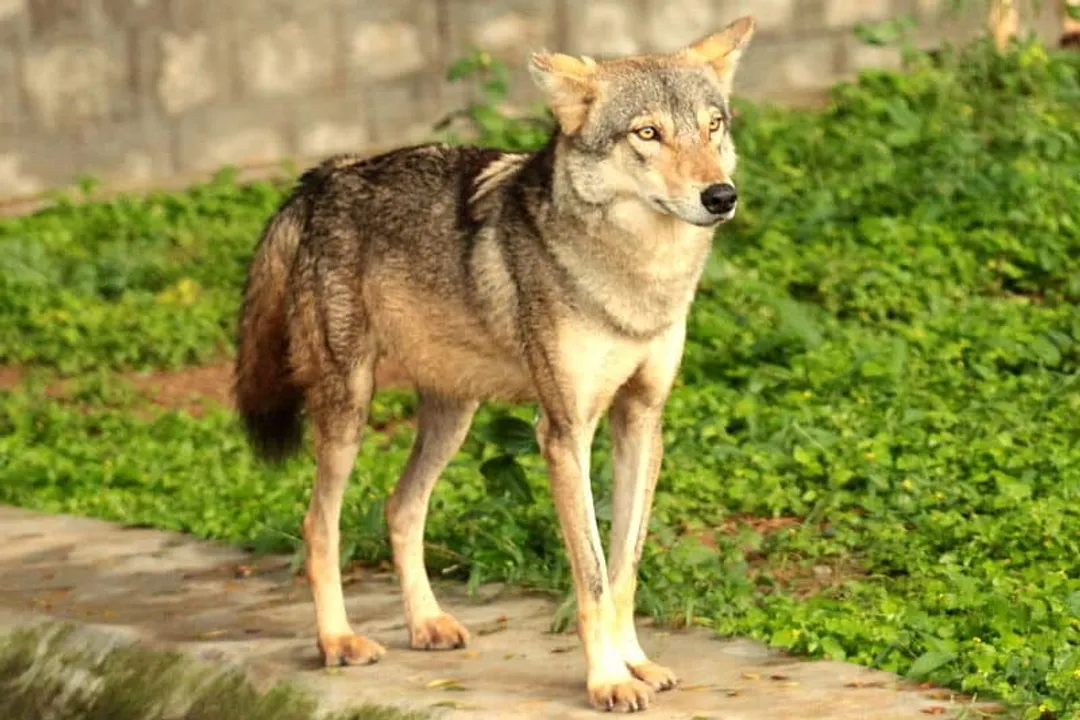
The species level in Linnaean taxonomy, designated by the binomial nomenclature *Canis lupus*, is fundamentally defined by the biological species concept, which centers on reproductive capability. A species is identified as a group of organisms capable of exchanging genes under natural conditions. Specifically, gray wolves can interbreed among themselves and produce viable, fertile offspring. This ability distinguishes them at the species level from other closely related canids, such as the coyote (*Canis latrans*), even if there is occasional hybridization at the subspecies interface.
Related Questions
What shared characteristics define *Canis lupus* belonging to Kingdom Animalia?Which feature is a hallmark of the Phylum Chordata placement for *Canis lupus*?Beyond diet, what anatomical basis defines the Order Carnivora for the wolf?Which mammals are grouped within the Family Canidae alongside wolves?What shared traits characterize members of the *Canis* genus?What reproductive capability defines the species classification *Canis lupus*?How is the domestic dog (*Canis familiaris*) often classified relative to *Canis lupus* today?Which specific North American subspecies is described as one of the largest extant wolf populations?What is NatureServe's global status designation for *Canis lupus* (G5)?What underlying behavioral trait in *Canis lupus* allowed for adaptation to domestication?What do genetic tests often reveal about many historical North American subspecies classifications?