Wolf Scientific Classification
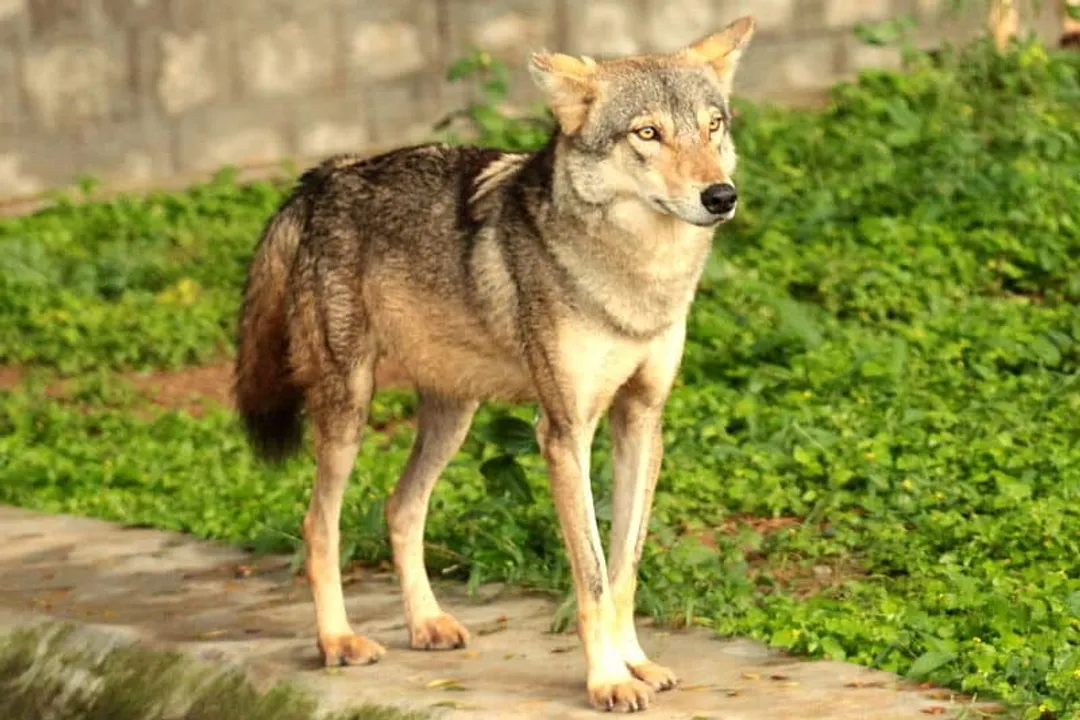
The scientific classification of the wolf, scientifically known as Canis lupus, reveals a precise structure detailing its place within the vast tree of life, tracing its lineage from the broadest biological groupings down to its specific species designation. Understanding this Linnaean hierarchy is key to appreciating its evolutionary relationship with other familiar carnivores, most notably the domestic dog. When we begin charting this creature’s placement, we start at the very top of the biological ranking system.
# Kingdom Life
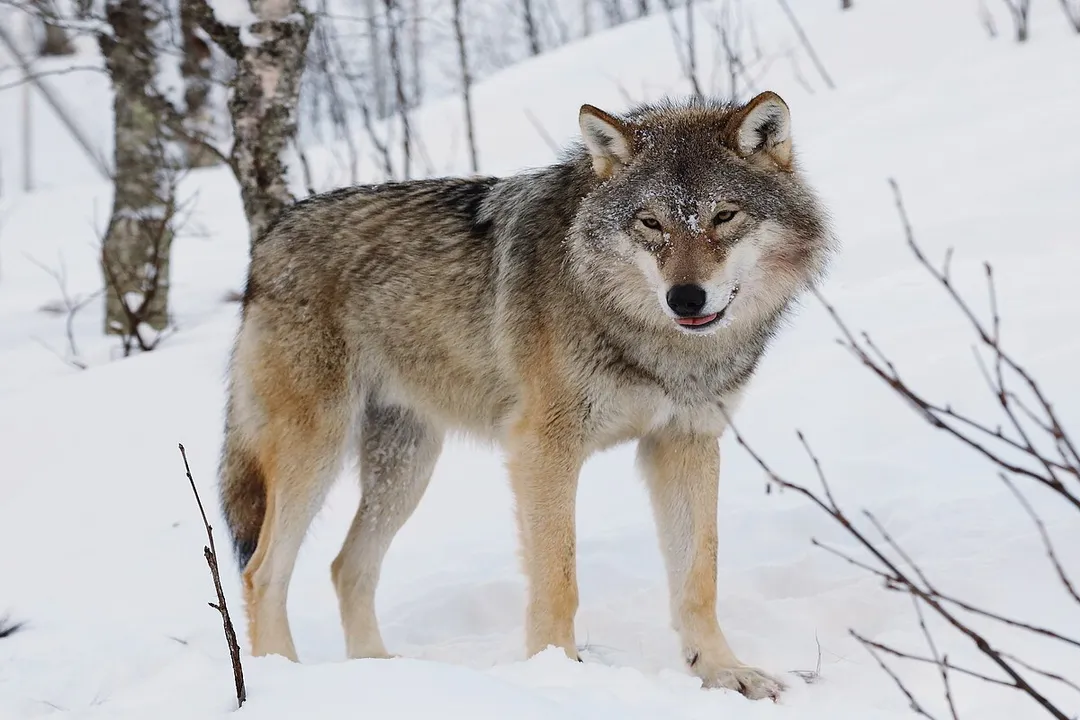
As a complex, multicellular organism that ingests other organisms for energy, the wolf firmly belongs to the Kingdom Animalia. This places it alongside everything from sponges to humans, a massive grouping defined by a shared ancestry of multicellularity and heterotrophic nutrition.
Moving down the sequence, the wolf falls into the Phylum Chordata, meaning it possesses a notochord, a dorsal nerve cord, and pharyngeal slits at some stage of its development—hallmarks of the vertebrate lineage. Within this phylum, it is placed in the Class Mammalia, characterized by having hair or fur, being warm-blooded, and nourishing their young with milk produced by mammary glands. This shared class connects the gray wolf to nearly all land mammals encountered in daily life.
# Order Family
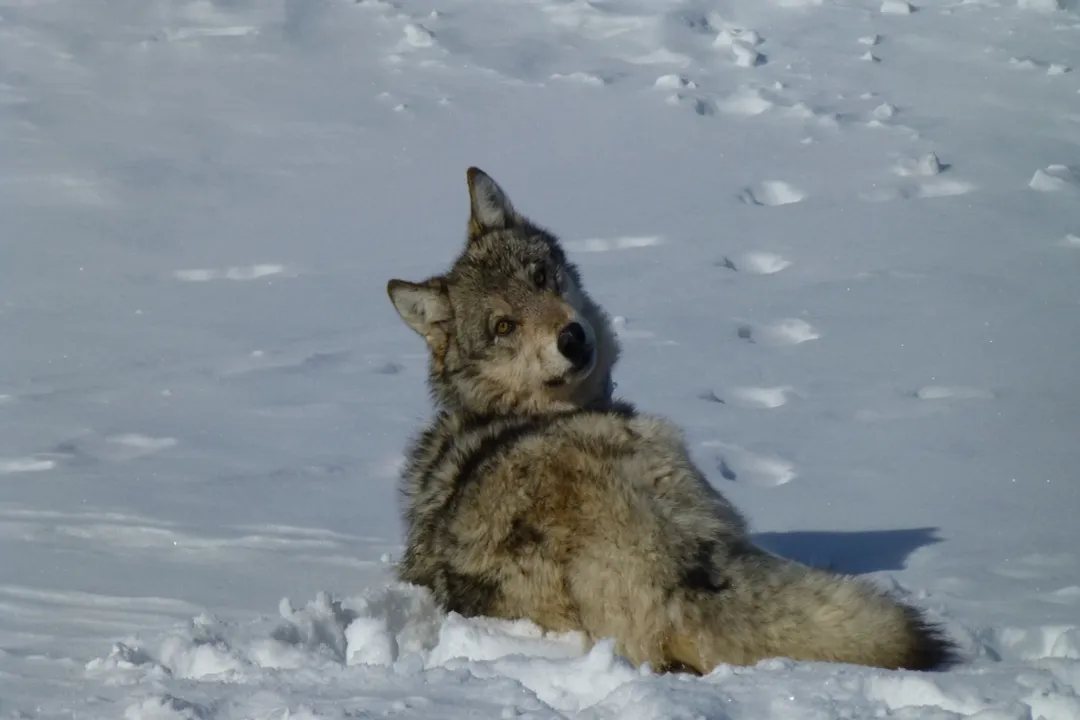
The next major steps refine this placement toward predatory specialization. Wolves are members of the Order Carnivora. This classification is not merely about diet; it refers to a shared anatomical structure, particularly in the teeth, designed for shearing flesh, even though not all members of this order are strictly carnivorous today. Within Carnivora, the wolf is specifically categorized into the Family Canidae.
The Canidae family is crucial because it groups together the dog-like mammals: wolves, coyotes, jackals, and foxes. This association immediately implies a level of social complexity and hunting strategy shared across the group, though ecological roles differ significantly. The specific genus assigned to the gray wolf is Canis, a designation that groups the largest and most widely distributed members of the dog family. Members of the Canis genus often display similar cranial structures and a high capacity for social organization.
# Species Designation
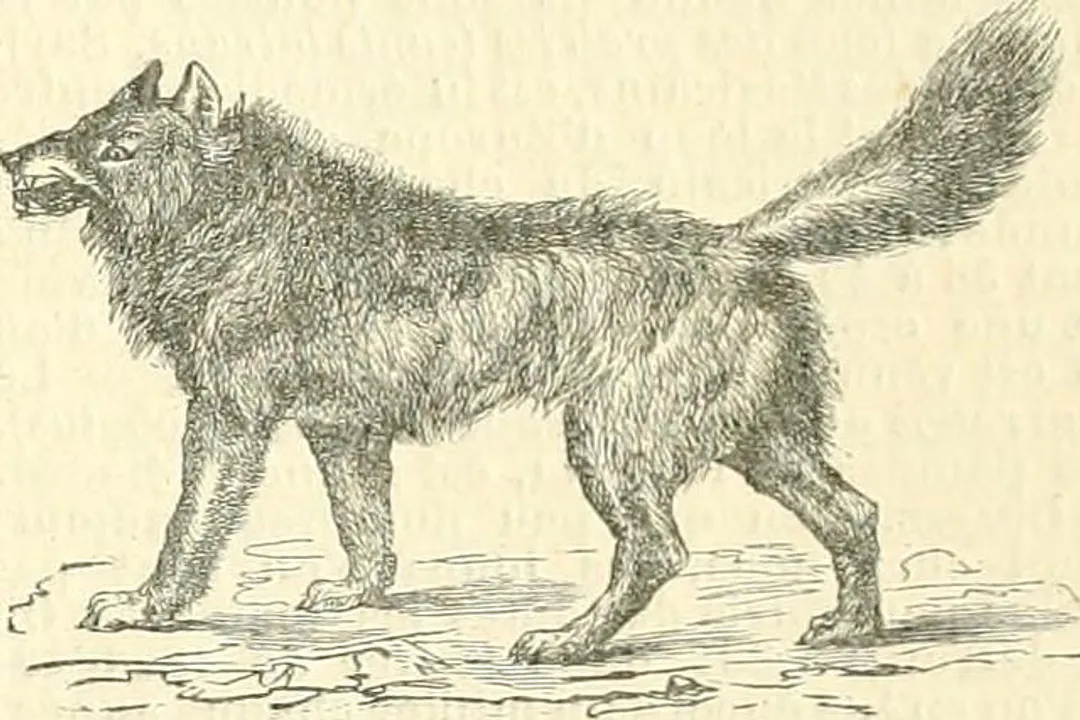
The full binomial nomenclature for the common gray wolf is Canis lupus. This two-part name separates it at the species level from its closest living relatives within the Canis genus, such as the coyote (Canis latrans) or the African jackal. The species classification reflects a distinct group capable of interbreeding and producing fertile offspring among themselves, while generally remaining reproductively isolated from other species.
The concept of Canis lupus is historically broad, encompassing nearly all wild canids in the Northern Hemisphere, though debates persist over the exact lines separating species. A significant point of taxonomic discussion involves the domestic dog, Canis familiaris, which modern genetic analysis often places as a subspecies of the gray wolf, Canis lupus familiaris. This relationship highlights an extremely recent divergence shaped by human intervention, contrasting sharply with the deep evolutionary separation that defines the species boundary between a wolf and, say, a fox.
| Taxonomic Rank | Classification | Defining Feature Summary |
|---|---|---|
| Kingdom | Animalia | Multicellular, heterotrophic |
| Phylum | Chordata | Possesses a notochord (Vertebrate) |
| Class | Mammalia | Hair, milk production |
| Order | Carnivora | Specialized shearing teeth |
| Family | Canidae | Dog-like canids |
| Genus | Canis | Large, social canids |
| Species | lupus | Gray Wolf |
| Subspecies | Various (e.g., lupus) | Geographic/morphological variant |
# Subspecies Complexity
The species Canis lupus is remarkably adaptable, which has led to its historical distribution across vast geographic areas, resulting in numerous recognized subspecies—though the exact number remains a dynamic area of scientific study. Subspecies are populations within a species that are geographically separated and exhibit distinct, consistent morphological or behavioral traits.
For instance, the Eurasian wolf, Canis lupus lupus, is often cited as a primary subspecies, historically occupying much of Europe and Asia. In North America, classifications can become intricate. While early systems recognized many distinct North American subspecies, modern genetic work often collapses these into fewer, broader groupings. Key recognized North American forms include the Northwestern wolf (Canis lupus occidentalis), which is one of the largest extant wolf populations, and various others that adapted to specific environments like the Arctic. The Mexican wolf (Canis lupus baileyi) stands out as a smaller, ecologically distinct subspecies that has faced severe population reduction.
It is worth noting the case of the extinct Eastern wolf. While some authorities classify the Eastern wolf as Canis lycaon, others consider it a hybrid or a distinct subspecies of the gray wolf (Canis lupus lycaon), illustrating how taxonomy reflects ongoing scientific refinement rather than fixed dogma. The inclusion of the domestic dog, Canis lupus familiaris, under the gray wolf species umbrella underscores that variation within C. lupus spans the spectrum from wild apex predator to companion animal.
# Taxonomic History Shifts
The classification of the wolf has not been static; it has undergone considerable revision, reflecting better molecular and genetic data becoming available over time. Early naturalists often relied heavily on external appearance, leading to the description of many subspecies based on slight differences in size, coat color, or skull shape across different regions.
One significant point of contention in wolf taxonomy has been the relationship between the wolf and the coyote, and the status of the domestic dog. For a long period, the domestic dog was given its own species name, Canis familiaris, but comparative anatomy and, more recently, DNA sequencing have strongly supported its placement as a direct descendant or subspecies of Canis lupus. This means that in many current scientific contexts, the proper designation for the wolf population itself, when separated from recognized subspecies, is often the "gray wolf" (Canis lupus lupus), distinguishing it from the familiaris form.
# Classification and Conservation Status
The precise scientific classification has direct, tangible consequences for conservation management. For instance, the U.S. Fish and Wildlife Service (FWS) designates the gray wolf (Canis lupus) under the Endangered Species Act, but this listing often applies specifically to certain subspecies or populations, while others may have recovered enough to be removed from protection or remain listed separately.
For example, in the contiguous United States, the recovery status can vary significantly by region, even within the same species. The status of Canis lupus in a particular area dictates the legal frameworks governing its protection, monitoring, and management, making the accepted taxonomy a necessary tool for wildlife agencies. NatureServe, which tracks global conservation status, uses the designation ELEMENT_GLOBAL.2.105212 for Canis lupus, generally listing it as G5 (Secure) globally, yet acknowledging that local populations (subspecies) may face higher risk. This contrast between the secure global status and high-risk local status emphasizes that while the species as a whole is widespread, localized extinction events are real threats for specific forms.
When considering management of a reintroduction or a monitoring program, understanding the current taxonomy is paramount. A manager needs to know if they are tracking C. l. occidentalis or C. l. baileyi, as their historical ranges, genetic distinctiveness, and recovery trajectories differ. If a region finds evidence of hybridization with coyotes, that discovery immediately complicates the management plan because the genetic integrity of the pure C. lupus population is being challenged at the subspecies level. An observer looking at the classification table might assume all wolves are equal, but the subspecies level reveals critical nuances that drive policy; for example, an area prioritizing the purest Mexican wolf recovery might disqualify an animal showing significant genetic markers of the Northwestern wolf, even if both are technically Canis lupus.
# Insights from the Hierarchy
Looking at the classification structure itself provides an insight into the ecological pressures shaping wolves. The tight grouping within the Genus Canis implies an ancient, shared ecological niche centered on pack hunting and adaptability across varied terrains. The relative ease with which Canis lupus adapted to domestication, resulting in C. l. familiaris, suggests that the ancestral wolf possessed a higher degree of behavioral plasticity than many other large carnivores, an evolutionary trait that allowed them to thrive alongside humans. This underlying behavioral flexibility, embedded in the species' genetic makeup, is arguably what allowed them to colonize such diverse environments across the Northern Hemisphere in the first place.
Another analytical observation relates to the ongoing taxonomic debate regarding subspecies: The sheer number of once-recognized North American subspecies that have been lumped together by geneticists suggests a rapid, relatively recent post-Pleistocene range expansion and intermingling of populations. In the past, if a small, isolated population developed unique traits—perhaps a slightly different coat color based on local prey camouflage—it was often named a subspecies. Today, genetic tests often reveal that these morphological differences are superficial compared to the overall shared genome, indicating that the wolf's ability to rapidly colonize new areas often outpaces the time needed for true, significant genetic divergence to occur below the species level. This means managers must be cautious about relying solely on historical subspecies boundaries when planning conservation zones; genetic testing is now often required to define truly distinct management units.
The scientific naming, therefore, moves from a descriptive historical record to a functional tool in modern ecological science, defining both the identity and the management strategy for the world's great canid.
Related Questions
#Citations
Wolf - Wikipedia
Canis lupus - Gray Wolf - NatureServe Explorer
Gray Wolf (Canis lupus) Fact Sheet: Taxonomy & History - LibGuides
Gray Wolf (Canis lupus) | U.S. Fish & Wildlife Service
Types of wolves | International Wolf Center
The Scientific Classification of Wolves: <i>Canis lupus soupus</i>
Canis lupus (gray wolf) - Taxonomy - PubChem
Wolf Taxonomy and Biology | CSU Extension