Wolf Eel Scientific Classification
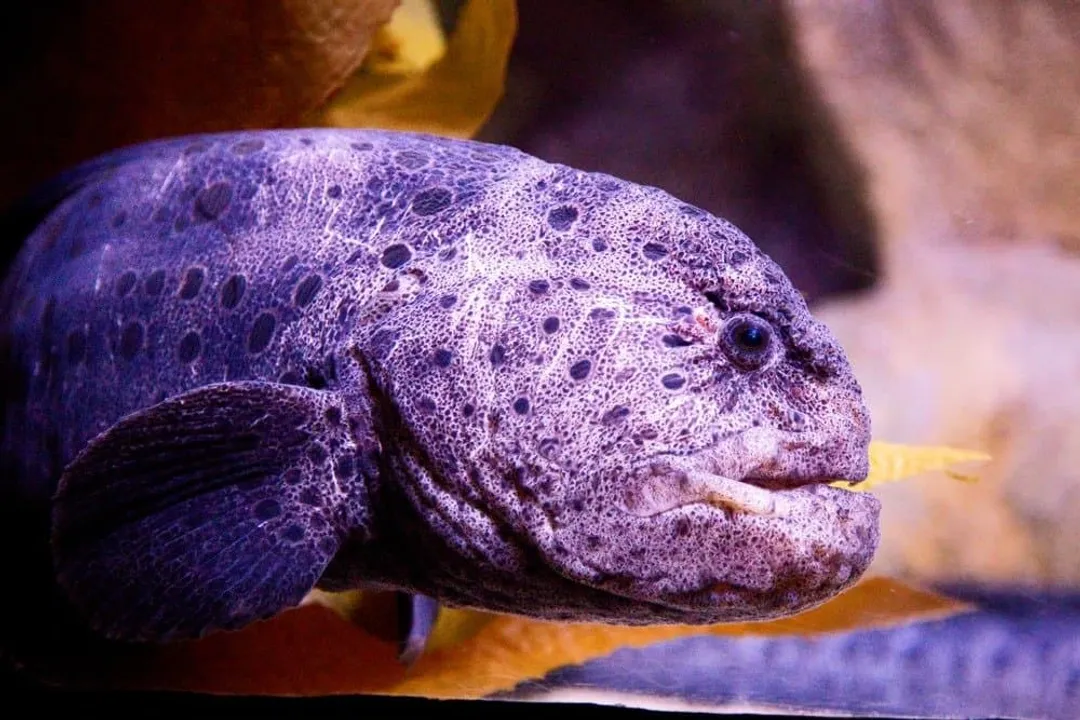
The lineage of the Pacific wolf eel, a creature often recognized by its imposing presence and serpentine body, is firmly rooted within the established hierarchy of life, starting with the formal binomial nomenclature: Anarrhichthys ocellatus. Understanding this scientific designation is critical because the common name, "wolf eel," is immediately misleading regarding its evolutionary relationships. This fish is not, by strict biological definition, a true eel; rather, it belongs to a distinct family of fish known as wolf fishes.
# Scientific Name
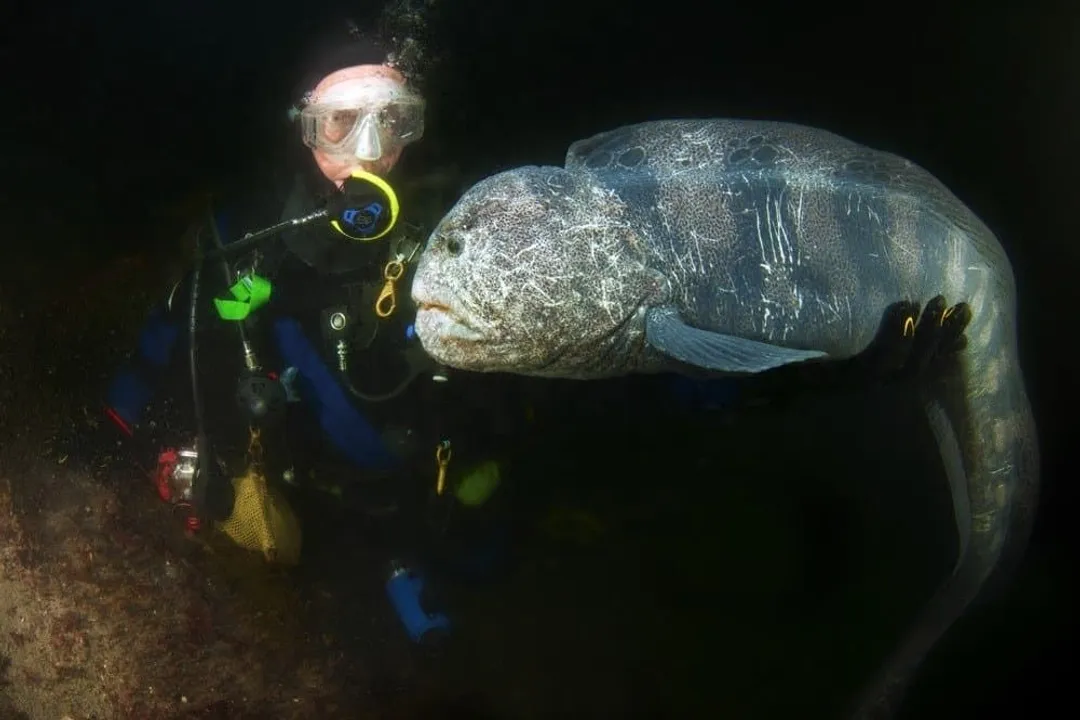
The specific epithet Anarrhichthys ocellatus serves as the unique identifier for this species across all scientific literature, distinguishing it from its close relatives. The genus name, Anarrhichthys, groups it with other similar species, while the species name, ocellatus, often refers to markings—in this case, potentially the small, dark spots that can mark its skin. While some sources discuss the animal based on its popular name, scientists rely solely on this Latinized binomial to ensure unambiguous global communication regarding the creature found in the North Pacific waters.
# Not True Eel
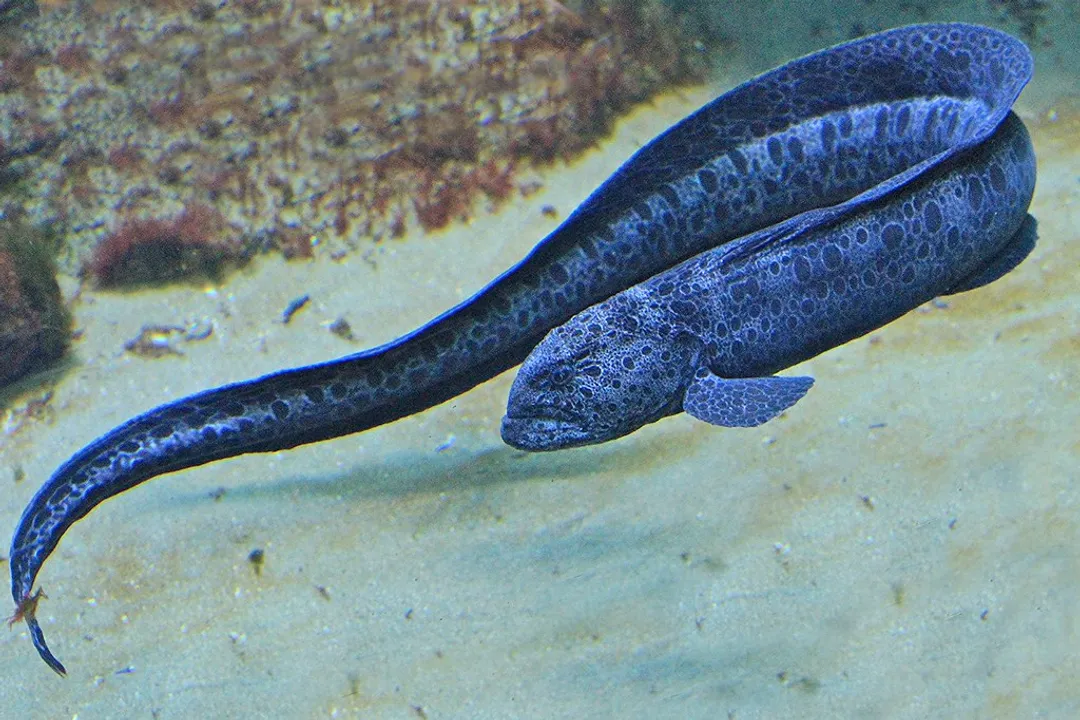
The primary source of confusion in popular naming stems from its elongated, somewhat eel-like appearance, which can easily lead casual observers to lump it in with true eels. However, the scientific classification places it far from the order Anguilliformes, which contains true eels. Instead, its placement higher up in the taxonomy reveals a body structure and evolutionary history closer to other bony, spiny-rayed fishes. This difference in placement—being categorized under the Order Perciformes, rather than the eel-centric Anguilliformes—is perhaps the most important classification distinction for understanding this animal’s biology. True eels possess specific skeletal and fin structures that A. ocellatus lacks, despite superficial similarities in body shape.
# Taxonomic Ranks
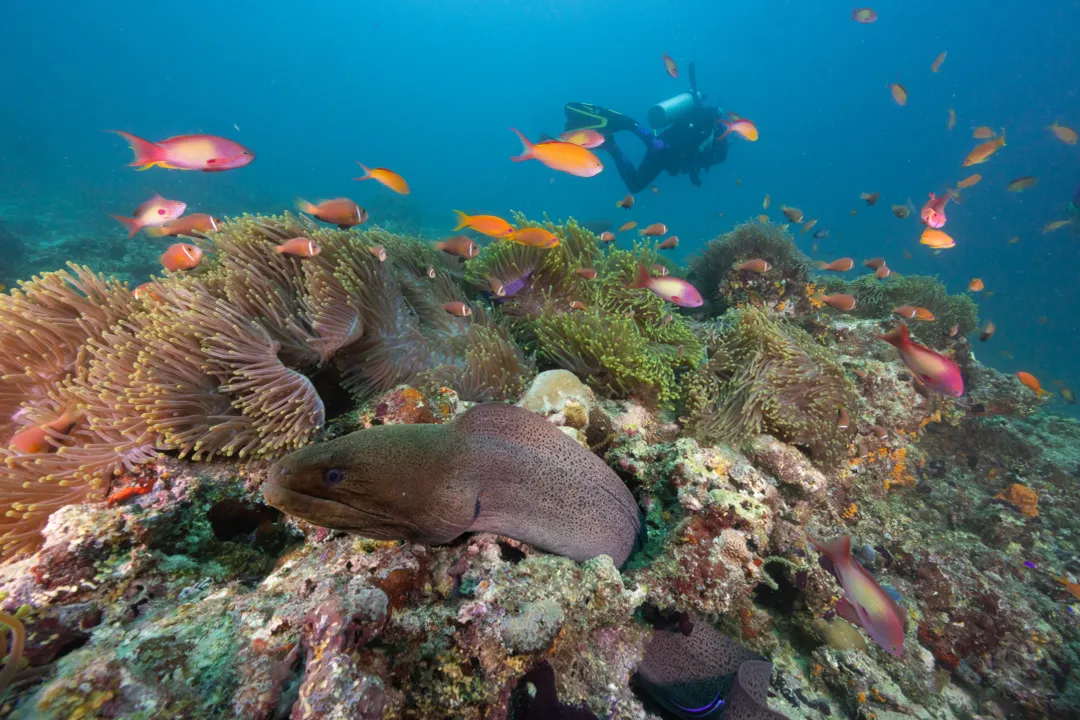
A complete scientific classification traces the wolf eel’s ancestry through several well-defined taxonomic ranks, moving from the broadest grouping down to the specific species.
Here is the established hierarchy for Anarrhichthys ocellatus:
| Rank | Classification |
|---|---|
| Kingdom | Animalia |
| Phylum | Chordata |
| Class | Actinopterygii |
| Order | Perciformes |
| Family | Anarhichadidae |
| Genus | Anarrhichthys |
| Species | A. ocellatus |
The Kingdom Animalia places it among multicellular, heterotrophic organisms. Moving to the Phylum Chordata indicates it possesses a notochord at some stage of its development, placing it within the group that includes all vertebrates. The Class Actinopterygii is significant; these are the ray-finned fishes, representing the vast majority of modern fish species, contrasting with lobe-finned fishes. The Order Perciformes is a massive group, sometimes called the "perch-like" fishes, and this grouping is where the divergence from the serpentine eels becomes most apparent.
# Wolf Fish Family
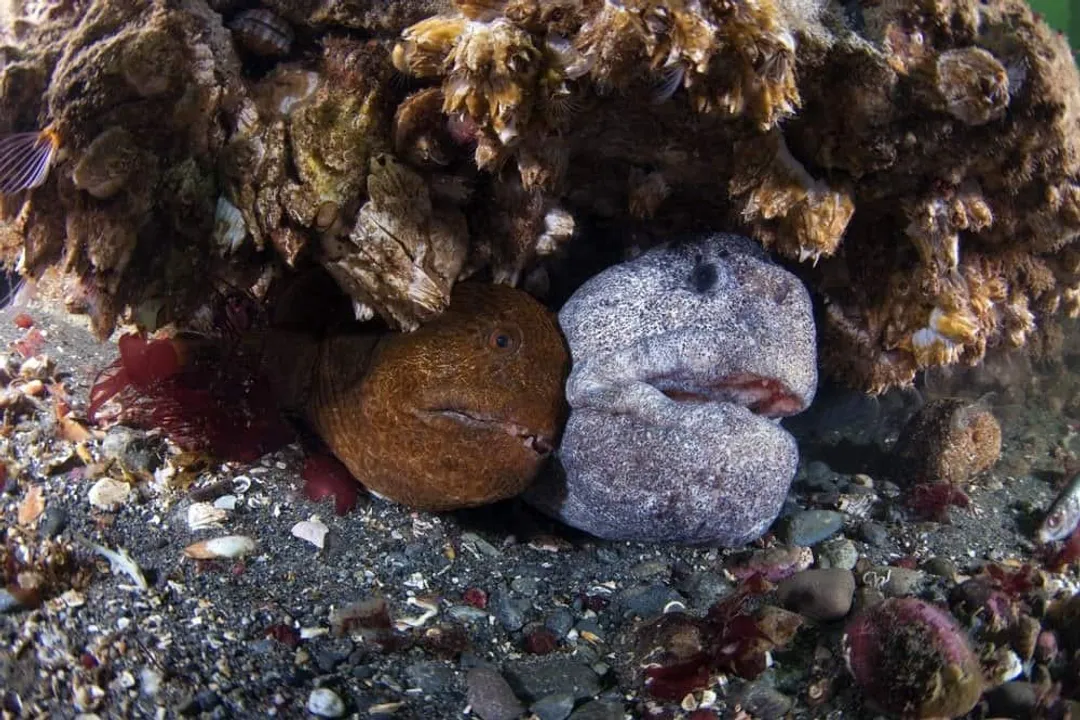
The Family designation, Anarhichadidae, is where the wolf eel finds its true relatives—the wolf fishes—and solidifies its separation from true eels. This family groups fishes that typically share robust bodies, large heads, and powerful dentition suited for crushing hard-shelled prey found on the seabed. When observing the powerful jaws characteristic of this fish—which are adapted for breaking apart crabs and clams—it becomes clear why scientists grouped it with these other bottom-dwelling, benthic predators rather than the more slender, eel-like fishes. The species Anarrhichthys ocellatus is the sole member of its genus, Anarrhichthys, setting it apart from other members of the Anarhichadidae family, such as those in the genus Anarhichas. This singular representation within its genus suggests a unique evolutionary trajectory within the wolf fish lineage, perhaps reflecting specialized adaptation to the specific environments within the Northeast Pacific.
One interesting analytical point arising from this classification structure concerns the genus level. In many animal groups, a genus contains several closely related species that share a very recent common ancestor. For the wolf eel to be the only recognized species within Anarrhichthys—while the family Anarhichadidae contains other genera like Anarhichas—it indicates that A. ocellatus diverged from its closest relatives earlier or underwent a more significant evolutionary specialization resulting in unique characteristics that warrant its own distinct genus grouping. This isolation at the genus level emphasizes that while it is a wolf fish, it occupies a specialized niche compared to its cousins.
# Comparing Lineages
To truly appreciate the scientific classification, it helps to compare A. ocellatus with what it is commonly mistaken for: true eels. A true eel, such as the common European Eel (Anguilla anguilla), belongs to the Order Anguilliformes. This order is characterized by possessing median fins (dorsal, caudal, and anal) that are continuous, lacking pelvic fins entirely, and generally having cycloid or absent scales. In contrast, the wolf eel, being a Perciform, is structured more like a typical bony fish that has adapted an elongated form.
If we consider the implications of its Actinopterygii classification—the ray-finned fishes—we see that the internal bone structure supporting the fins is fundamentally different from that of true eels. This classification tells a story of convergent evolution: the wolf eel evolved an elongated shape to help it navigate complex rocky habitats and hide in crevices, similar to an eel, but it did so using the standard bony fish blueprint inherited from its Perciformes ancestors, not the specialized serpentine blueprint of true eels. It is a classic example of how morphology (what the animal looks like) can sometimes mask deeper evolutionary relationships, which only careful scientific classification can reveal.
Another consideration, not explicitly detailed in the provided texts but inferred from the classification data, relates to regional biodiversity studies. For instance, in the waters off Washington State or Alaska, researchers tracking the distribution of benthic species would use the scientific name Anarrhichthys ocellatus to map its precise habitat preference. If data were compiled across the Northeast Pacific, one might find that the abundance of this specific genus (Anarrhichthys) correlates tightly with certain substrate types (like rocky reefs or gravel bottoms) where its specialized crushing dentition is most effective, something less likely to be tracked effectively using only the vague term "wolf eel". The precision offered by the genus and species names allows for much more granular ecological analysis when charting its presence alongside other Perciformes species in the region.
# Research Focus
The specific classification helps direct research efforts. Because A. ocellatus is relatively understudied compared to other marine life, its fixed position in the taxonomy allows researchers to apply knowledge gained from related, better-understood species within the family Anarhichadidae. For example, information regarding the physiology or reproductive cycles of other wolf fishes might provide strong hypotheses about the biology of A. ocellatus until direct study is conducted. Researchers looking at the diet of this animal, for instance, know that its powerful jaw structure—a family trait—suggests a reliance on mollusk predation, which aligns with observations of the species. In essence, the scientific classification acts as a roadmap, connecting this unique Pacific resident to the broader tree of life and informing expectations about its biological characteristics. The ability to definitively place it within the Order Perciformes guides biologists toward examining specific genetic markers or physiological traits known to be common in that large and diverse group of bony fishes.
Related Questions
#Citations
Wolf Eel Fish Facts - Anarrhichthys ocellatus - A-Z Animals
Anarrhichthys ocellatus, Wolf-eel : fisheries, aquarium - FishBase
Wolf Eels—The Much-Loved, Little-Researched Fish of the Pacific
Wolf eel | Washington Department of Fish & Wildlife
Anarrhichthys ocellatus: Wolf Eel –The Race Rocks Taxonomy
Wolf Eel (Anarrhichthys ocellatus) - iNaturalist
Wolf Eel | TAXONOMY Kingdom: Animalia Phylum: Chordata Class…
Wolf-Eels: When is an eel, not an eel? | California Diving News
Wolf-eel - Alaska Sealife Center