What type of soil composition is most strongly associated with vinegaroon sightings in the United States?
Answer
Deep, non-compacted sandy loam
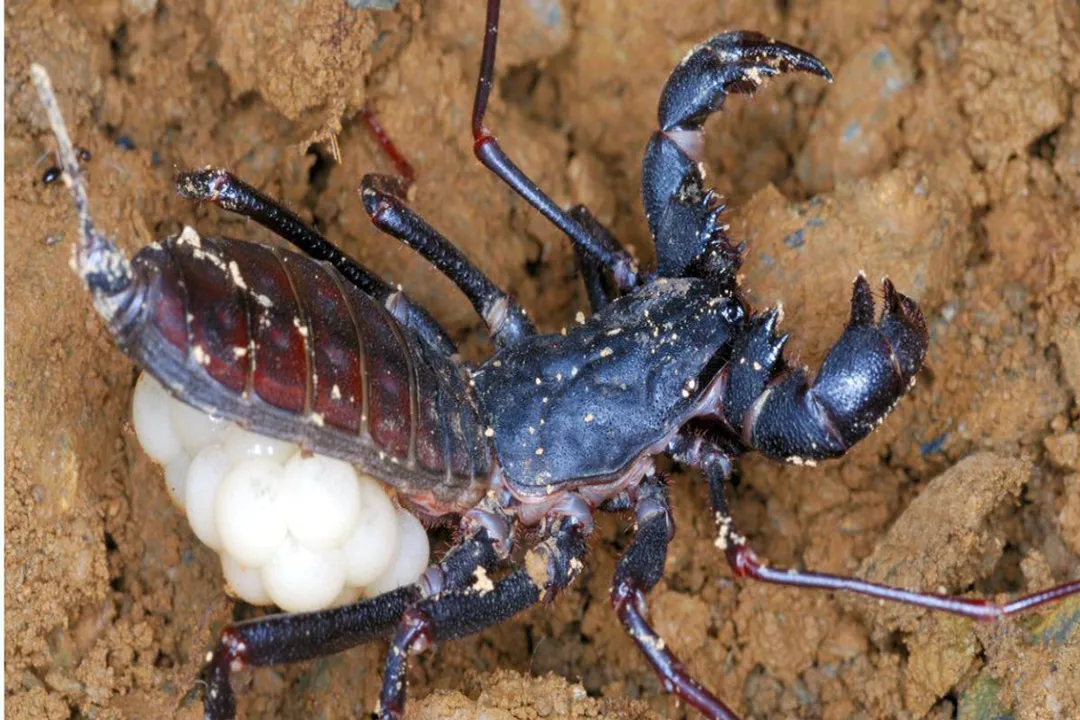
Data regarding the presence of these arachnids consistently points to a preference for specific geological substrates. Deep, non-compacted sandy loam is ideal because it allows for the construction of deep, secure burrows. These burrows serve as the primary refuge from predators and surface temperature fluctuations, making this soil type a reliable indicator of where vinegaroons are likely to establish populations.
Related Questions
Which states represent the northernmost extent of the range of Mastigoproctus giganteus in the United States?What is the primary factor limiting the distribution of vinegaroons in the United States?Which specific species of vinegaroon is primarily found in the borderlands between Arizona and Northern Mexico?When is the best time for observers to spot vinegaroons active on the surface of the ground in Texas or Arizona?What minimum substrate depth should be provided in a captive enclosure for a vinegaroon?Why is the vinegaroon frequently confused with a scorpion by the general public?How do vinegaroons manage to survive in the extreme heat of the Sonoran Desert?Why is the common name desert vinegaroon sometimes misleading for Mastigoproctus giganteus?To which arachnid order does the vinegaroon belong?What type of soil composition is most strongly associated with vinegaroon sightings in the United States?