Are Pholcus spiders poisonous?
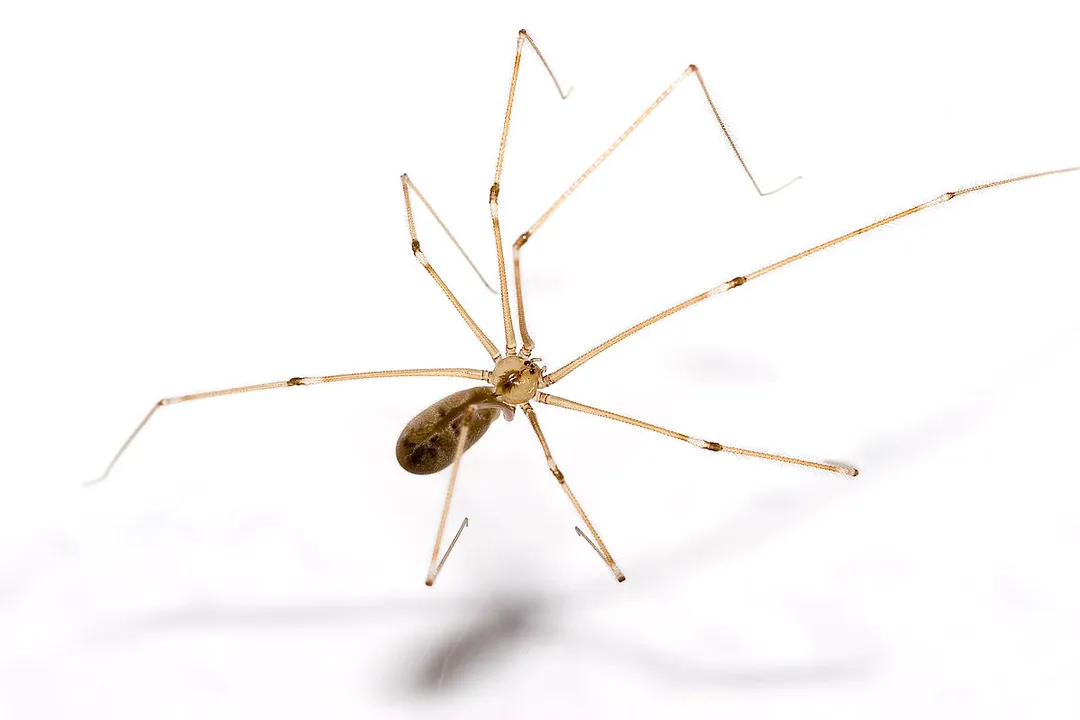
The spindly, often awkwardly long legs of the spider commonly found dangling in dark corners, basements, or ceilings often provoke questions about safety, especially given their widespread nicknames. These creatures, scientifically classified within the family Pholcidae, are frequently referred to as cellar spiders or, confusingly, "daddy long-legs". Understanding their actual danger level requires peeling back layers of myth surrounding their venom, if they possess any at all, and their biting capability.
# Identification Basics
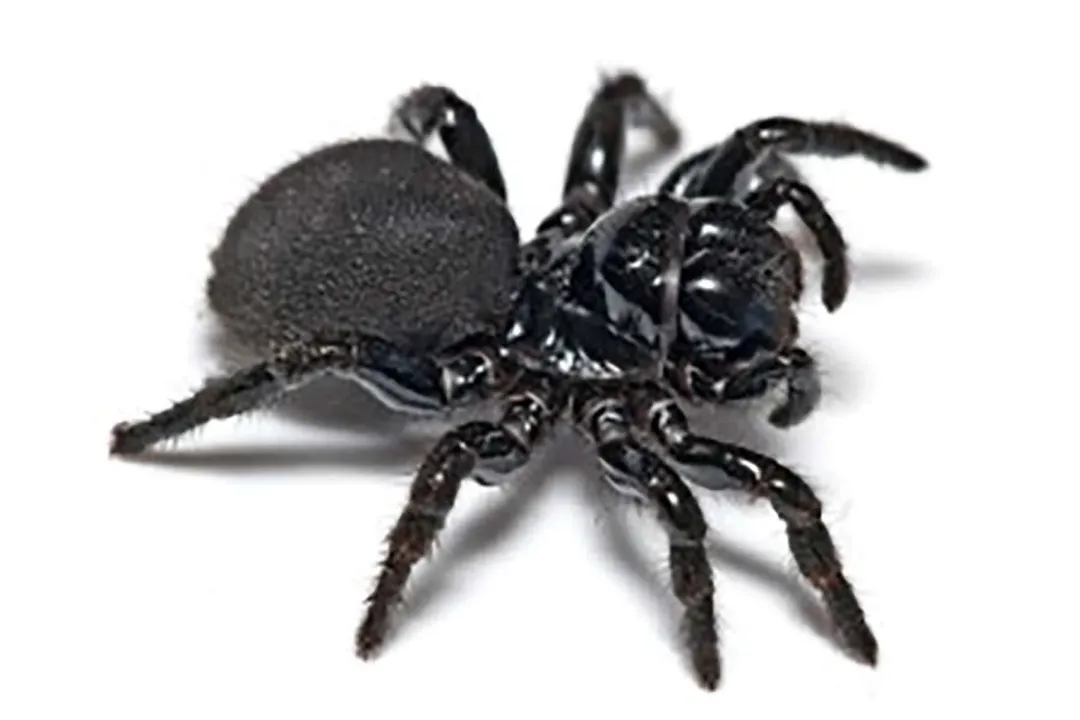
Distinguishing this particular group is the first step toward accurate assessment. The spiders usually associated with the common name "daddy long-legs" belong to the family Pholcidae, which includes the species Pholcus phalangioides. These spiders are easily recognized by their small, elongated body and their extremely long, delicate legs, which can make them appear quite large. They are expert web-builders, often constructing messy, irregular, three-dimensional webs in sheltered, undisturbed areas like cellars, garages, and upper corners of rooms. Their habitat preference for these dark, cool spots is what earned them the moniker "cellar spider".
# Venom Capacity

The immediate concern when assessing any spider is its venom. It is a common point of discussion and confusion, largely fueled by contradictory lore. The consensus among experts is that Pholcus spiders do possess venom glands and are capable of delivering venom when they bite. They use this venom to subdue their prey, which typically consists of other insects or smaller spiders they catch in their webs.
However, the potency of that venom relative to humans is where the popular understanding becomes muddled. Some anecdotal reports or folklore suggest their venom is extremely potent—perhaps even enough to kill a human if the spider were large enough or the bite severe enough. Yet, the scientific consensus refutes this as a practical danger. While the venom itself might be complex, it is generally considered to have little or no medically significant effect on humans.
If we compare the known facts, there’s a critical distinction: the ability to produce venom versus the ability to effectively deliver it to a creature much larger than themselves. One significant factor cited is the structure of their mouthparts, or chelicerae. In many cases, even if the venom is potent in a laboratory setting, the spider's jaws may be too weak or too small to successfully pierce human skin to inject a meaningful dose. Essentially, the threat level drops significantly when the mechanism for delivery is inadequate for the target size. Thinking about it practically, many common garden insects possess toxins that are entirely irrelevant to us simply because their delivery systems are built for insects, not mammals. [1] The cellar spider falls into this category; its primary defense mechanism, when directed at a human, is usually ineffective due to mechanical limitation rather than chemical inertness.
# Biting Incidence
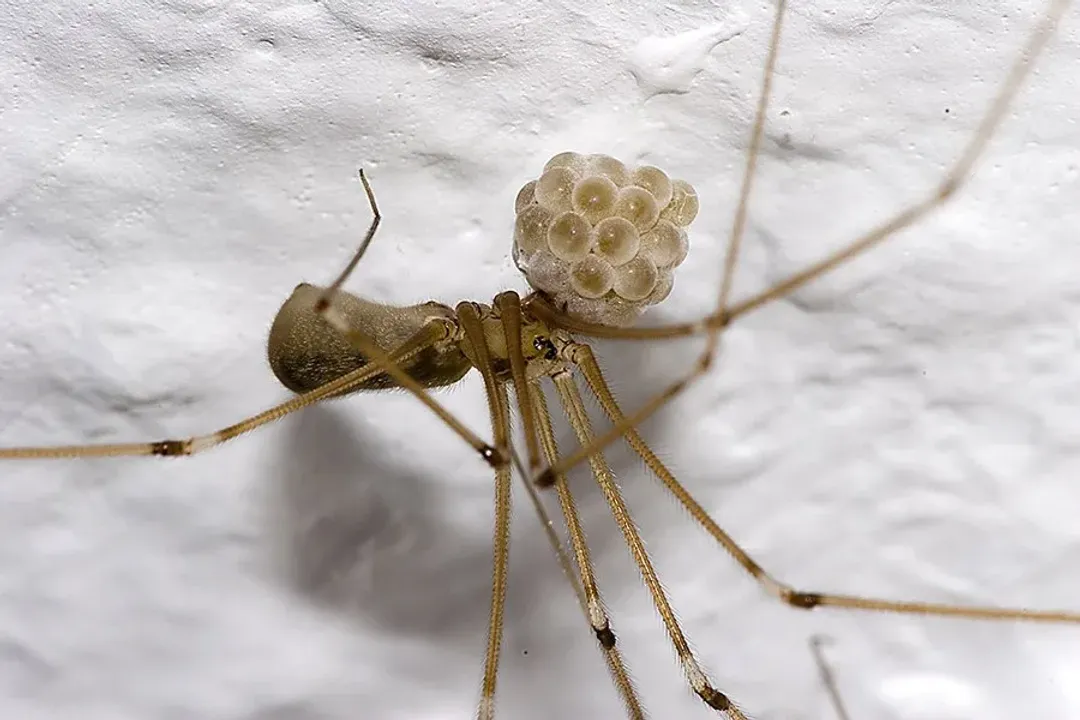
It is important to know that Pholcus spiders are not inherently aggressive toward people. They are not actively hunting humans for food or territory. Biting is almost exclusively a defensive act. A person would likely have to physically handle, trap, or severely provoke the spider for it to attempt a bite. Given their fragile nature and tendency to vibrate rapidly within their webs when disturbed, their first instinct is usually to flee or employ their signature defensive shimmy, rather than engage in an aggressive bite.
When a bite does occur, the experience is usually minor. Because their jaws may not penetrate deeply, the sensation is often described as a quick pinch or slight prick. [2] If venom is injected, the resulting reaction is typically mild, perhaps involving minor localized irritation or soreness, far removed from the serious concerns associated with medically significant spiders like true widows or recluses.
# Distinguishing Arachnids
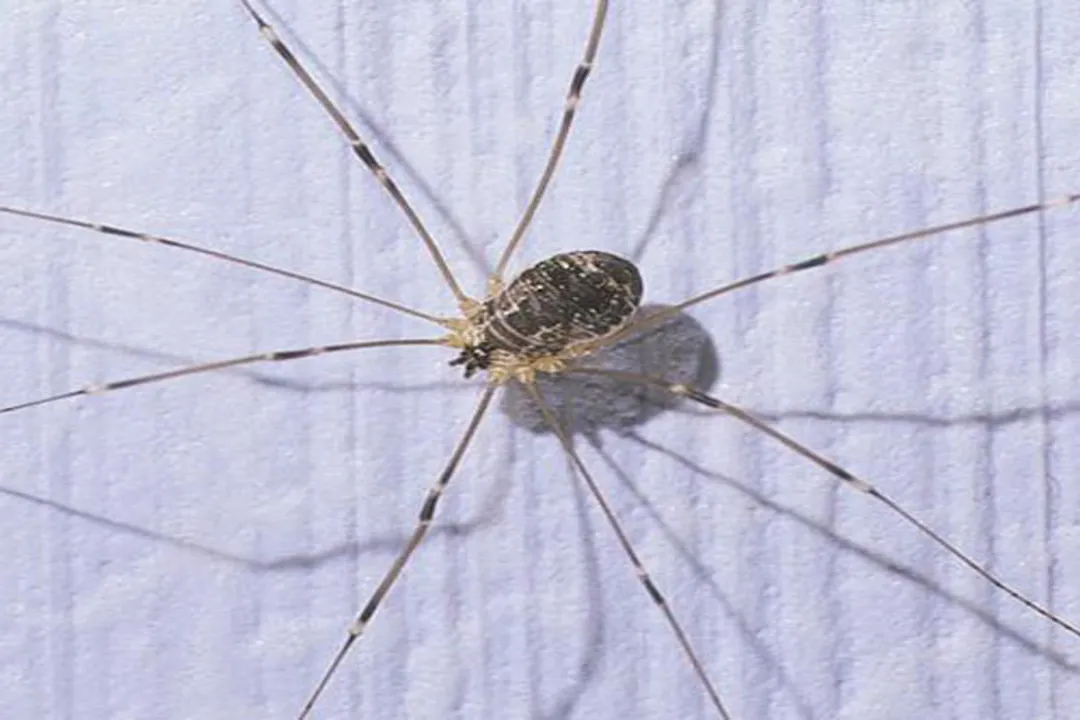
A significant portion of the confusion surrounding Pholcus spiders stems from their confusing common names, which often cause them to be grouped with entirely different arachnids. It is crucial to draw a clear line between the Pholcus spider and the Harvestman.
Harvestmen, which are also frequently called daddy long-legs, belong to the order Opiliones. They are distinctly different creatures:
- Body Structure: Harvestmen have one fused body segment, appearing as a single oval or teardrop shape, whereas true spiders, like Pholcus, have two distinct body segments (cephalothorax and abdomen).
- Venom and Fangs: Harvestmen do not have venom glands, silk glands, or fangs. They are physically incapable of biting in the way a spider does.
- Diet: Harvestmen are generally scavengers or predators of small, slow-moving insects, unlike web-building spiders.
This common conflation leads to the spread of myths that claim all daddy long-legs are harmless because the harvestman certainly is, or conversely, that the spider is deadly because of vague, unsubstantiated claims about its venom. Knowing you are dealing with a true spider (Pholcus) means understanding it has fangs and venom, but knowing it's a Pholcus means recognizing its delivery system is typically too weak for human impact.

# Home Ecology
For those who find the presence of these spiders unnerving, considering their role in the indoor ecosystem might offer a shift in perspective. Cellar spiders are incredibly effective pest controllers in the quiet corners of a home. They are known to prey on other, potentially more bothersome or medically significant spiders, including black widows, brown recluse spiders, and common house spiders. Their tangled webs act as efficient traps for a variety of small household pests, from flies to silverfish. If you spot a Pholcus in a utility room or attic corner, it is essentially volunteering as a free, non-toxic pest management service for that specific area. Relocating them outside, if you must remove them, is often a better approach than immediate extermination, as you are removing a competent, non-threatening predator of other pests.
# Summarizing the Threat Profile
To synthesize the information about Pholcus spiders, we can outline their threat profile clearly based on the evidence.
| Feature | Cellar Spider (Pholcus) | Dangerous Spider (e.g., Black Widow) | Harvestman (Opiliones) |
|---|---|---|---|
| Family | Pholcidae | Various (e.g., Theridiidae) | Opiliones |
| Possesses Venom | Yes | Yes | No |
| Jaws/Fangs | Present, often weak for human skin | Strong enough to pierce skin deeply | Absent/Chewing mouthparts |
| Medical Significance | Not medically significant to humans | Medically significant | None (no venom) |
| Bite Likelihood | Very low, defensive only | Varies, may bite if threatened | Cannot bite in a spider sense |
This comparison highlights that while the Pholcus spider possesses the machinery for venom injection, its overall risk profile remains extremely low for the average person. [3] The primary "danger" they pose is the momentary startle reflex when one is accidentally encountered, or the slight sting if one is aggressively cornered. Given their beneficial predatory habits, tolerating a few of these long-legged residents in out-of-the-way locations often yields a net positive for indoor pest control in older homes or basements where they thrive.
Related Questions
#Citations
Daddy Long Legs - Spider Research - UC Riverside
Don't fear the pholcid: Daddy long-legs' venom is only ...
Pholcus phalangioides
Myth: Daddy-longlegs would be deadly but...
pholcidae; i have tons of these at home, and those scare ...
What are cellar spiders, and do they bite?
Are daddy long legs spiders venomous and can they harm ...
Longbodied Cellar Spider