How poisonous is a giant desert centipede?
The giant desert centipede, scientifically known as Scolopendra heros, commands a certain level of respect, if not outright fear, in the American Southwest due to its impressive size and potent sting. When people hear talk of giant centipedes, the primary concern almost always circles back to its venom: just how dangerous is this arthropod when it decides to deploy its defensive mechanism? Understanding its toxicity requires looking past sensational stories and examining the nature of its bite, the typical reactions it causes, and the extremely rare circumstances under which it might pose a serious threat to human life. [1][5]
# Appearance and Scale
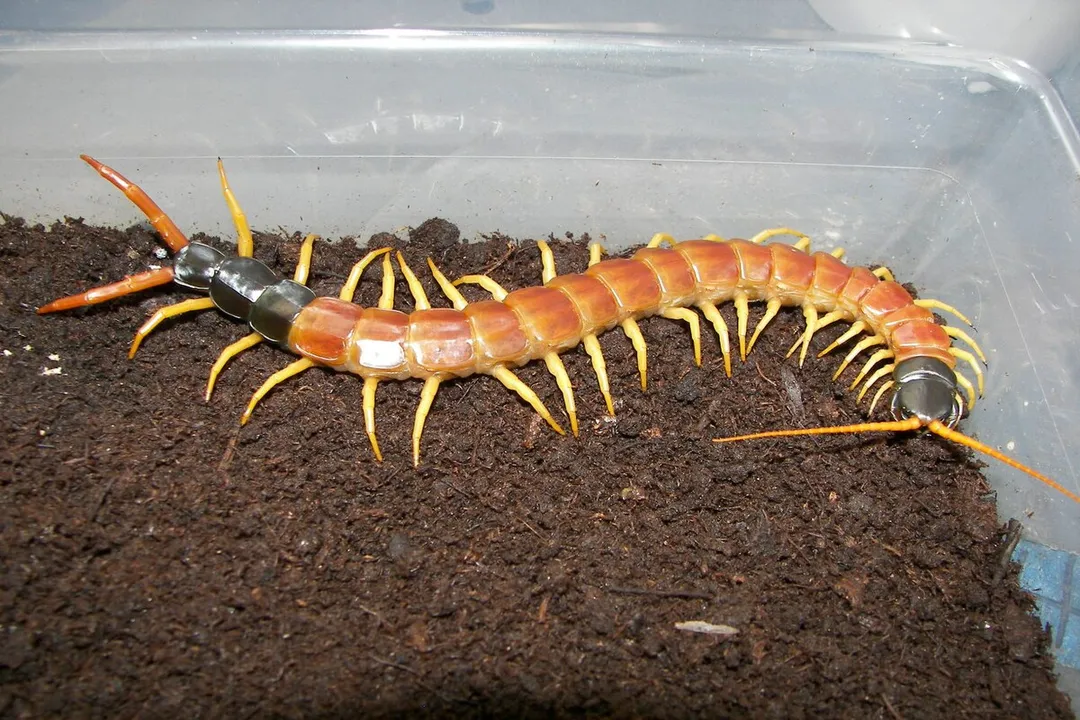
These creatures are aptly named giants among their relatives. The Scolopendra heros is one of the largest centipedes found in North America, sometimes reaching lengths well over six inches. [1][8] They possess a distinctive coloration, often featuring a reddish-orange or deep red head and tail segments, contrasted with a darker, sometimes mottled, body. [1][5] A key feature is the number of legs; they possess many pairs, as is characteristic of all centipedes, though they are often misidentified as having a hundred legs—a myth associated with the entire class Chilopoda. [8] Their formidable appearance, combined with their speed and the prominent venom-delivering forcipules (modified legs near the head), immediately signals that they are not pests to be handled casually. [6]
# Venom Dynamics
The mechanism of envenomation involves the centipede injecting venom through these specialized front legs, which act much like a snake's fangs. [6] The venom itself is a complex cocktail of toxic proteins and other compounds designed to paralyze or kill the smaller invertebrate prey that forms the bulk of its diet, such as insects, spiders, and even small vertebrates. [1][5] For a human, the immediate effect of this injection is intense and immediate pain, often described as sharp, throbbing, or burning, radiating from the bite site. [5]
Systemic reactions are possible, though less common than the localized effects. Victims might experience symptoms like nausea, vomiting, headache, localized swelling, and a general feeling of being unwell or weak. [1][5] The severity depends significantly on factors like the size of the centipede, the amount of venom injected, and the individual's sensitivity to the components of that venom. [7] While the pain is locally excruciating, the venom is generally not considered medically significant in the way that venom from certain snakes or spiders is, meaning it rarely causes long-term organ damage, but the immediate physical distress can be overwhelming. [3]
# Lethality Assessment
The question of whether one can die from a giant desert centipede bite is one that often arises, and the consensus among entomological and medical sources is that death in healthy adults is extremely rare, bordering on non-existent from the direct effects of the venom alone. [3] The toxicity levels are generally not high enough to cause respiratory or circulatory failure in an adult before medical intervention or the body's natural defenses manage the symptoms. [3]
However, this low lethality profile comes with a significant caveat. The sheer intensity of the pain can sometimes trigger secondary complications. In rare instances, severe systemic reactions, especially in individuals with underlying health conditions or allergies, could potentially lead to cardiovascular distress or anaphylaxis, though documented fatalities directly attributed to Scolopendra heros are scarce in verified medical literature. [7] Moreover, given that these animals thrive in arid, sometimes remote environments, a severe reaction far from immediate medical aid presents a higher risk profile than the same bite occurring in a well-serviced urban area. This is a critical factor to consider: the remoteness of the encounter often elevates the danger more than the venom itself. [1]
# Contrasting with House Pests
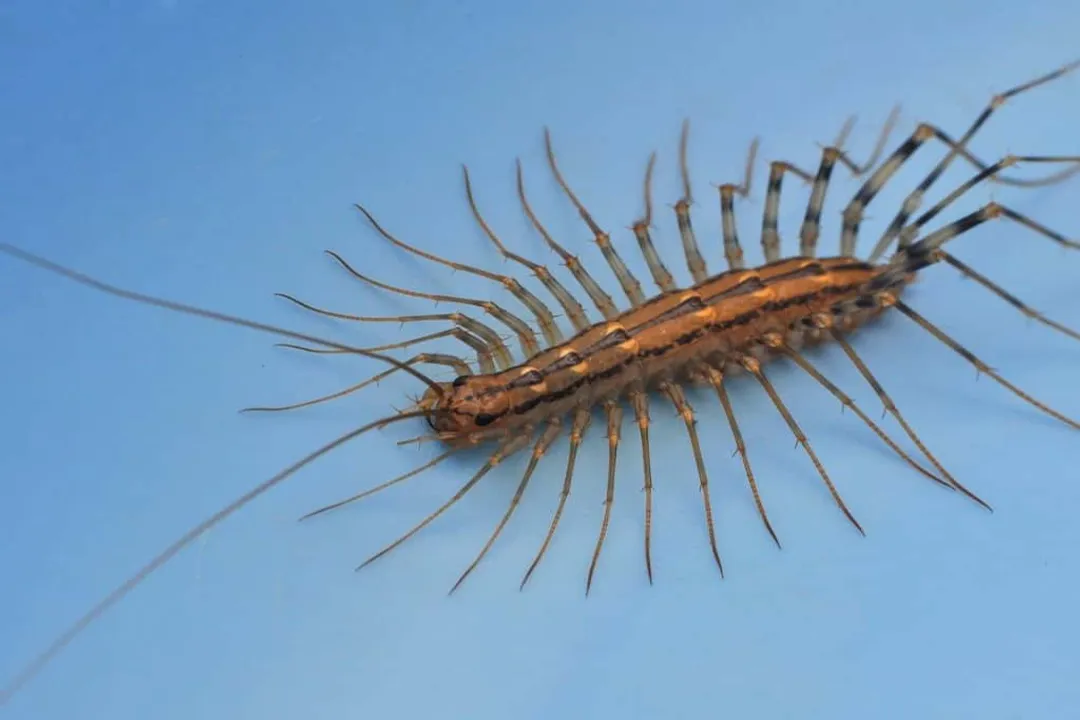
It is helpful to contextualize the giant desert centipede's venom by comparing it to more commonly encountered species. House centipedes, for instance, which are often found indoors in damp areas, possess venom that is typically only strong enough to incapacitate small insects and is generally harmless to humans, perhaps causing only minor, temporary irritation if they manage to bite. [4] Even common smaller desert centipedes, while painful, do not carry the same volume or potentially complex venom profile as the giant desert species. [6] The difference between the bite of a common house centipede and a Scolopendra heros is one of degree—the giant variety delivers significantly more venom and elicits a much more severe, painful local response. [4]
# Defense and Habitat Interaction
The giant desert centipede is primarily a nocturnal predator, using its speed and venom to subdue prey and defend itself when threatened. [1] Their preferred hiding spots are crucial for understanding encounters. They seek shelter under rocks, logs, leaf litter, or even shallow burrows to avoid the heat of the day and remain concealed. [1][5] This behavior leads directly to many human interactions; people are most likely to be bitten when they accidentally disturb these hiding places—perhaps by moving a piece of firewood, reaching into a dark storage area, or stepping on one that is foraging at night. [6]
When dealing with potential exposure, it is worth noting that the primary defense is usually a retreat, but if trapped or cornered, they will bite as a final resort. If you are ever in the desert Southwest and handling outdoor debris, taking a moment to visually inspect any item you intend to move—a simple proactive measure far more effective than reacting to a bite—can prevent contact entirely. This simple habit of checking firewood stacks or lifting stones with a tool rather than a hand demonstrates an understanding of their habitat needs which mitigates risk before the venom is even a factor. [1]
# Managing the Aftermath
If a bite does occur, the immediate management focuses on mitigating the intense local pain and watching for signs of severe systemic reaction. Because the venom is complex, the management goal is often supportive care. [7] One should clean the affected area thoroughly with soap and water. [1] Applying a cool compress or soaking the area in warm water might help alleviate some of the pain, though comfort levels vary greatly among individuals. [5]
It is important to monitor the bite site closely for signs of secondary infection, which can sometimes be a greater long-term concern, particularly in warm, arid regions where keeping a wound sterile can be challenging without immediate access to full medical supplies. While the initial neurotoxic and cytotoxic effects of the venom fade, the physical trauma to the tissue remains, and vigilance against bacterial entry is always wise in these circumstances. [1] If any signs of severe systemic distress appear—such as difficulty breathing, heart palpitations, or widespread rash—seeking immediate professional medical attention is non-negotiable, even if historical data suggests fatality is rare. [3][7] Understanding the species means appreciating that while Scolopendra heros is formidable, it is a natural part of the desert ecosystem, and most encounters result in a painful but temporary episode rather than a life-altering event.
Related Questions
#Citations
Giant Desert Centipedes: What to Know About These Pests
I'm tired of people saying giant centipedes are “highly ...
Can you die from a giant desert centipede bite?
Can Centipedes be Dangerous to Humans or Animals?
The bite of the Giant Desert Centipede!
The Desert Centipede - FAQs - Absolute Exterminating, Inc.
Centipede Stings
Scolopendra heros