What sensory mechanism do worm snakes rely on underground, given their visual limitations?
Answer
Sensing its way to prey underground or within the detritus using smell or other non-visual senses
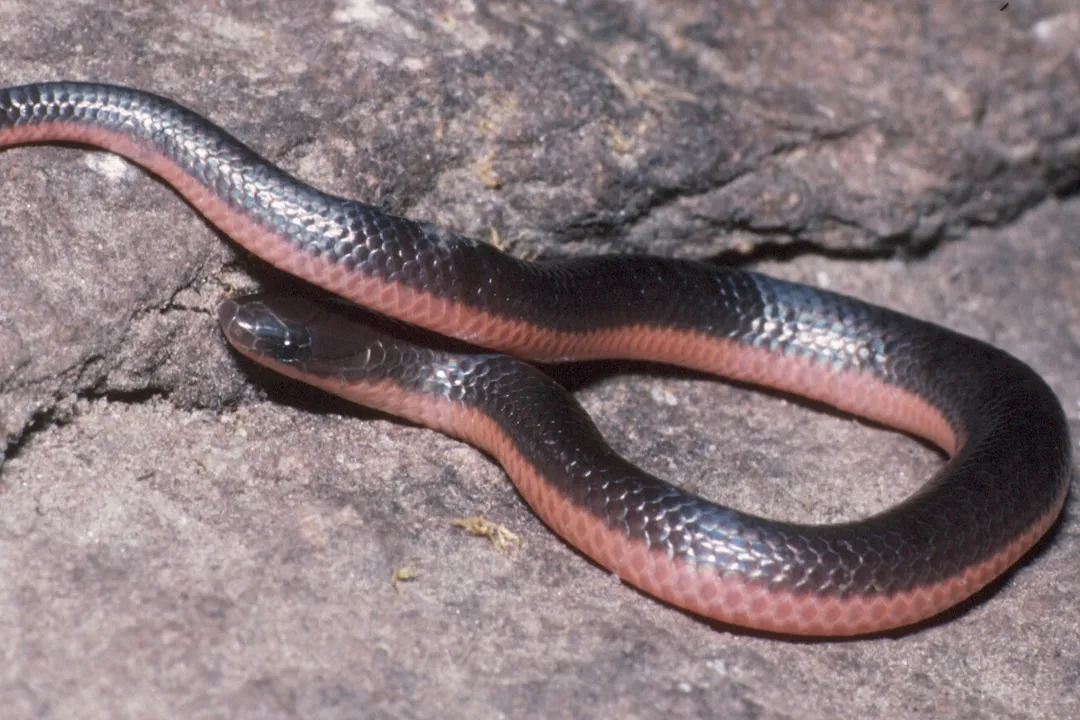
Since the worm snake's environment is perpetually dark, located beneath the surface layer, visual hunting above ground is unnecessary and inefficient. The snake's small, unprojecting eyes reflect this lack of reliance on sight. Instead, the snake possesses adaptations—likely involving chemoreception (smell) and tactile or vibrational sensing—that allow it to effectively 'smell' or sense its way toward its prey, primarily earthworms, while navigating the complex network of tunnels and detritus within the soil.
Related Questions
What is the primary food source for both Eastern Worm Snake (Carphophis amoenus) and Western Worm Snake (Carphophis vermis)?What specific soft-bodied prey is noted as being slightly broader in the diet of the Western Worm Snake (Carphophis vermis)?What essential characteristic must supplemental foods share with earthworms for the worm snake to consume them?What specific elements of the forest floor offer the necessary humidity and access required by foraging worm snakes?What physical feature is noted as being perfectly tailored for the worm snake's subterranean life and specialized feeding?How do worm snakes manipulate and consume their prey differently than snakes that rely on constriction?What environmental metric can a thriving worm snake population indirectly serve as an excellent indicator of?When consuming earthworms, what aspect of the prey is often a more significant consideration for the worm snake than its diameter?Which supplemental food item is specifically mentioned as sometimes being consumed by the Eastern Worm Snake (Carphophis amoenus)?What consequence results if soil compaction severely limits earthworm habitat in an area frequented by worm snakes?What sensory mechanism do worm snakes rely on underground, given their visual limitations?