Worm Diet
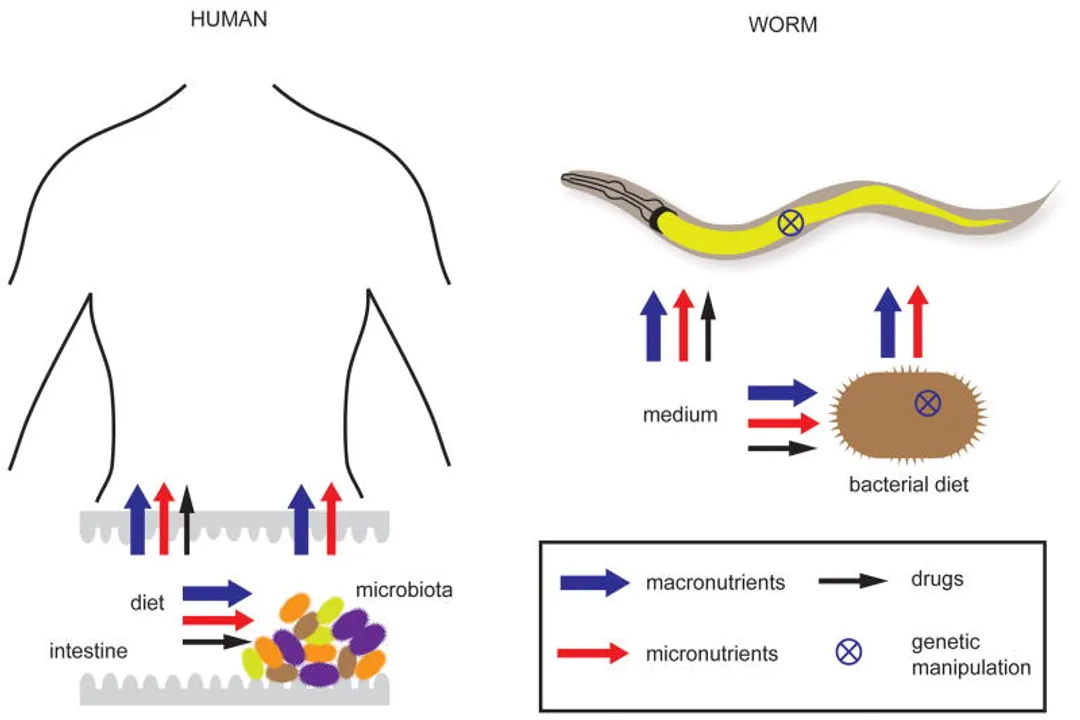
The term "worm diet" carries dramatically different meanings depending on the context, ranging from soil enrichment to a perilous historical event, and even a dangerous modern weight-loss myth involving parasites. To discuss this topic accurately, one must clearly delineate between the earthworm's biological needs, the political context of a famous historical meeting, and the alarming practice associated with tapeworms. The information available suggests three separate worlds, each using the word "worm" in a unique way.
# Earthworm Sustenance
When scientists and gardeners discuss the diet of worms, they are usually focusing on earthworms and their role in breaking down organic matter. These invertebrates are vital decomposers, essential for creating fertile soil through their digestive processes. [1] In natural settings, an earthworm's diet is incredibly varied, consisting primarily of decomposing plant and animal matter they encounter as they burrow. [1][10] They consume soil that is rich in decaying residues, such as fallen leaves, grass clippings, and manure. [10] This raw material is processed as it passes through their digestive tracts, mixing with mucus, bacteria, and enzymes before being excreted as castings. [1] These castings are highly valued by horticulturists because they are nutrient-rich and greatly improve soil structure. [1]
Earthworms prefer materials that are slightly aged or partially broken down; freshly added kitchen scraps or thick layers of paper can sometimes overload their system or be too acidic initially. [10] Furthermore, worms are sensitive to what they ingest. While they consume soil, they are actively seeking the organic material within the soil, not the mineral components themselves. [1] This selectivity is key to understanding vermicomposting, where the goal is to provide an optimal balance of 'greens' (nitrogen-rich, like food scraps) and 'browns' (carbon-rich, like shredded cardboard or dry leaves). [10] Analyzing the sheer volume of organic input required to sustain a healthy worm population—often needing diet changes based on temperature and moisture—reveals that the earthworm diet is less about singular food items and more about maintaining a balanced, consistently moist, decomposing environment. [10]
# Commercial Feed
For those raising earthworms commercially, perhaps for fishing bait or as a core component of a vermiculture business, consistency in diet is paramount, leading to the development of specialized feed mixes. [7] These commercial diets, such as those marketed for captive worms, are formulated to provide complete nutrition in a controlled manner. [7] Such manufactured feeds often contain ingredients like alfalfa meal, soy protein, calcium carbonate, and various vitamins and minerals, balanced to support rapid growth and reproduction in a contained environment. [7] This contrasts sharply with the wild diet, which relies on the natural decomposition cycle of a given ecosystem. [1] While a backyard composter might experiment with coffee grounds, vegetable peels, and cardboard, the commercial grower needs assurance that every worm receives the necessary protein and calcium for optimal health, similar to how pet owners feed their animals precisely measured nutritional blocks. [7] The shift from relying on ambient nature to a proprietary, controlled diet highlights an industrialized approach to managing this biological process.
# Historical Assembly
Far removed from soil science, the phrase "Diet of Worms" refers to a significant assembly in European history, specifically a general imperial assembly of the Holy Roman Empire that convened in the city of Worms, Germany, in 1521. [3][9] The name is derived from the German city name, Worms (Wormatia), not from any reference to actual annelids. [3] The central figure at this Diet was Martin Luther. [3] He was summoned to address the charges against him for heresy, stemming from his religious challenges to the authority of the Roman Catholic Church, including the publication of his Ninety-five Theses. [3][9]
Luther was presented with a collection of his writings and asked whether he wished to recant them. [3] His famous response, often paraphrased as "Here I stand, I can do no other," marked a decisive moment in the Protestant Reformation. [3] The proceedings concluded not with reconciliation, but with the issuing of the Edict of Worms. [3] This decree declared Luther an outlaw and a heretic, effectively banning his teachings and ordering the burning of his books. [3] The political and religious weight of this event shaped the trajectory of Western Christianity and German history, demonstrating how the term "Diet" in this context refers to a legislative or governing assembly, not a regimen of food intake. [9]
# Parasitic Ingestion Danger
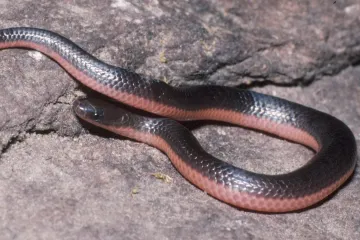
A third, and considerably more alarming, interpretation of a "worm diet" involves the deliberate ingestion of tapeworm cysts for the purpose of weight loss. [2][5] This practice, sometimes referred to as the tapeworm diet, gained notoriety as an extreme measure for those seeking rapid weight reduction. [2][6] The supposed mechanism relies on the parasite residing in the human intestine, consuming a portion of the host’s calories before the nutrients are fully absorbed. [2]
However, medical professionals universally caution against this practice due to the extreme and potentially fatal health risks involved. [5][6] Tapeworms, such as Taenia saginata or Taenia solium, are not benign dietary aids; they are dangerous parasites. [5] While a person might lose weight, the risks far outweigh any cosmetic benefit. [5] Potential severe complications include malnutrition, intestinal blockage, the development of cysts in other organs (like the brain or liver, particularly with T. solium), seizures, and other serious health issues. [5][6] These parasites feed off the host’s nutrition, leading to systemic depletion rather than simple caloric restriction. [5] The medical consensus is clear: engaging in the tapeworm diet is a potentially fatal approach to weight management, and there are countless safer, proven methods available. [5][6]
When contrasting the three "worm diets," the spectrum of impact is vast. On one end, the earthworm’s diet supports the biological creation of life-sustaining soil, a slow, constructive process. [1][10] At the other extreme, the tapeworm diet involves intentionally introducing a parasitic life form for personal gain, creating a destructive process within the host’s body. [5] The historical Diet of Worms stands as a stark reminder of how language—the word Diet meaning an assembly—can have meaning entirely disconnected from biology or nutrition, yet still carry profound consequences for the masses. [3]
# Understanding the Parasite Threat
It is essential to recognize that consuming any form of raw or undercooked animal product that might harbor tapeworm larvae carries an inherent risk, even outside the context of a deliberate diet fad. [5] For instance, consuming pork infected with Taenia solium can lead to cysticercosis, where the larvae migrate outside the intestines. [5] This is medically distinct from simply harboring an adult tapeworm in the gut. [5] If one is researching nutrition or weight loss, understanding the difference between a controlled, beneficial biological partnership (like composting worms processing food waste) and a dangerous parasitic infestation is crucial for maintaining personal safety. [1][5] The public awareness surrounding the tapeworm diet often obscures the underlying pathology: these are disease vectors, not weight-loss supplements. [6]
If we look closely at the earthworm's consumption habits, we see a model of natural efficiency—turning waste into a valuable commodity. A single pound of healthy earthworms, through their continuous feeding and casting, can process many times that weight in organic matter over a year, demonstrating a productive, cyclical relationship with their food source. [1] This stands in direct opposition to the tapeworm's extractive, non-productive relationship with the human body. [5]
# Earthworm Diet Requirements Summarized
For those interested in the ecological or horticultural side of worm diets, clarity regarding ideal inputs is beneficial for anyone starting vermicomposting.
| Input Type | Description | Example Materials |
|---|---|---|
| Greens (Nitrogen) | Moist, high-protein materials that decompose quickly. | Vegetable scraps, fruit peels, coffee grounds, manure. [10] |
| Browns (Carbon) | Dry, fibrous materials that provide air pockets and structure. | Shredded cardboard, dry leaves, shredded newspaper. [10] |
| Moisture | Essential for survival and food absorption. | Kept damp, like a wrung-out sponge, never soggy. [1] |
| Avoidances | Items that can harm worms or cause odor/pest issues. | Oily foods, excessive citrus, meat, dairy, overly acidic waste. [1] |
In essence, providing a diet for earthworms is an act of managed decomposition, focused on offering accessible organic matter while maintaining a balanced environment for the millions of microorganisms that assist the worms in breaking down the food. [1] The earthworm itself consumes the partly digested biofilm created by these microbes, making the entire system a collaboration between the worm and its gut biome. [1] This ecological model is what makes earthworm castings such a superior soil amendment compared to simple compost piles that lack this biological processing step. [1]
Related Questions
#Citations
What do earthworms eat?
Tapeworm Diet: Weight Loss, Risks and Side Effects - Healthline
Diet of Worms - Wikipedia
The Tapeworm and Maria Callas' Diet: A Mystery Revealed - MDPI
Tapeworms: Easy Weight Loss Or Potentially Fatal?
The tapeworm diet: Myth, mostly - Hektoen International
Mazuri® Earthworm Diet
Worms, bacteria and micronutrients: an elegant model of our diet
The diet of worms - The University of Chicago Magazine
What Do Worms Eat? A Road Map for What To Feed Your Worms