What is the diet of a viper snake?
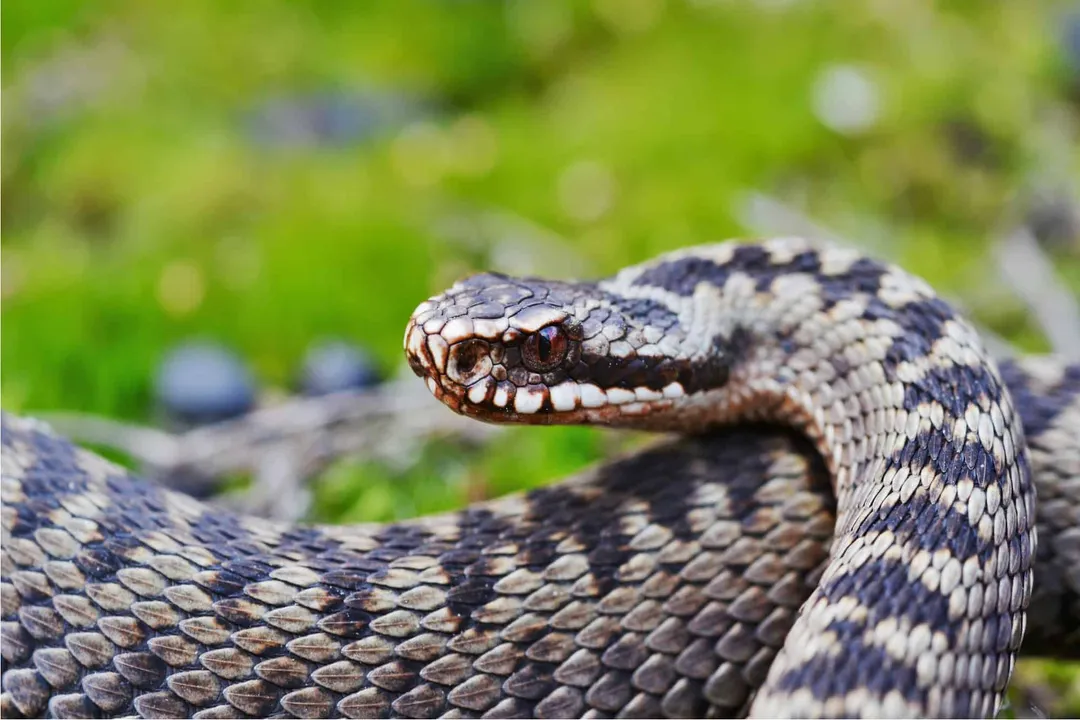
The diet of a viper snake is fascinatingly diverse, reflecting the vast range of species classified under the family Viperidae, which spans from the Old World vipers to the New World pit vipers. [7] These snakes are quintessential ambush predators, relying on stealth, potent venom, and a specialized sensory system to secure their meals. [5][7] Their primary strategy revolves around waiting for unsuspecting prey to wander within striking distance, delivering a swift, venomous bite, and then tracking the incapacitated animal for consumption. [7]
# Predatory Strategy
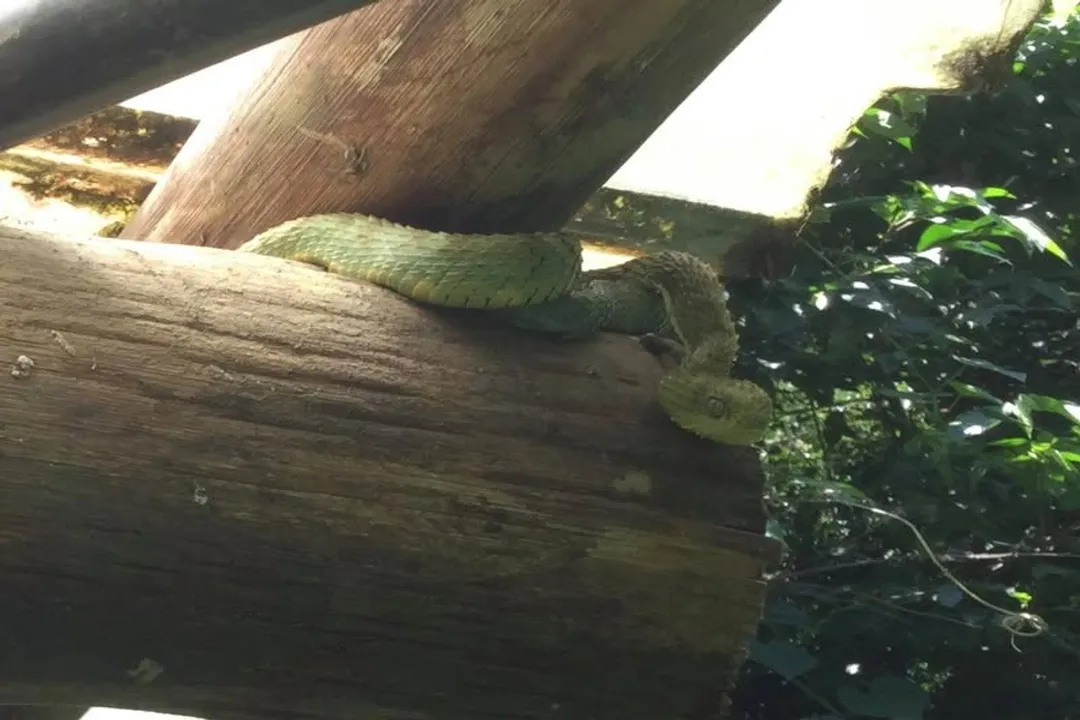
Vipers, as a broad group, exhibit adaptations that make them highly effective hunters. Unlike some actively foraging snakes, many vipers are largely sedentary hunters, conserving energy until the right opportunity presents itself. [7] This ambush style dictates that their prey must be abundant enough in the local environment to sustain them without constant movement in pursuit. [8] The venom they employ is a critical component of their feeding mechanism; it serves not only for defense but primarily to subdue prey quickly, which is especially important when dealing with animals that might fight back. [7] The speed of the strike is paramount, often measured in fractions of a second. [5]
A common aspect shared across many viper species is the consumption of small vertebrates. The specific makeup of this diet, however, varies significantly based on the viper's size, habitat, and the availability of local fauna. [8] For instance, species inhabiting arid regions might focus heavily on rodents, while those in dense forests might incorporate more birds or amphibians. [3]
# Viper Food Range
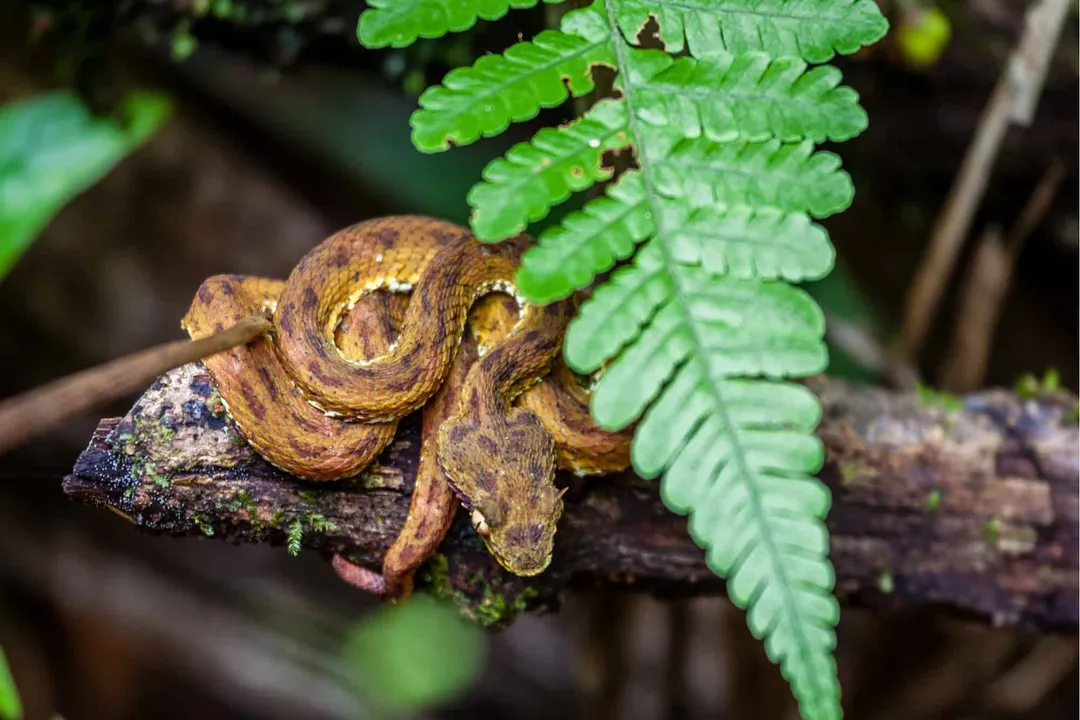
The menu for vipers is quite broad when considering the entire Viperidae family. Small mammals feature prominently in the diets of many larger species, including rats, mice, and shrews. [3][7] Birds, especially nestlings and ground-dwelling species, are also significant prey items for various vipers. [7] Depending on the geographic location, lizards, frogs, and even other snakes can be taken. [8]
# Russell’s Viper
The Russell's Viper (Daboia russelii), known for its significant medical importance, maintains a diet heavily skewed toward terrestrial vertebrates. [3] In many parts of its range, small mammals form the bulk of its food intake. [3] This includes a variety of rodents that share its habitat across South Asia. [3] While mammals are the main course, they are not exclusive; the snake may supplement its diet with small birds or lizards when the opportunity arises. [3]
# Gaboon Viper
The Gaboon Viper (Bitis gabonica) possesses perhaps the most dramatic dental apparatus among vipers, featuring exceptionally long fangs. [5] Found in African rainforests, its diet reflects this environment. It relies on cryptic camouflage to ambush animals moving across the forest floor. [5] Its primary food source consists of small mammals, such as rodents, but it is also known to consume birds that venture near the ground. [5] The sheer bulk of the Gaboon Viper necessitates substantial meals, often larger prey items relative to its body size compared to some thinner viper species. [5]
# Adder Species
The Common European Adder or Common European Viper (Vipera berus) shows a distinct dietary preference shaped by its temperate European habitat. [1] Its diet in the wild is heavily dominated by small mammals, particularly rodents like voles and mice. [1] However, especially for younger individuals or in certain locales, small lizards and amphibians, such as frogs, make up a notable portion of what they consume. [1] The ability to switch between these prey types is likely key to the Adder's wide distribution across Europe. [1]
# Mangshan Pit Viper
The Mangshan Pit Viper (Ovophis mangshanensis), endemic to China, presents a diet that seems specialized, though specific details can vary by study and region. [2][6] Known captive management often suggests a diet consisting primarily of rodents. [6] In the wild, while rodents are certainly a staple, the specific composition might be influenced by the mountainous habitat it occupies. [2] Sources indicate that in controlled environments, appropriately sized mice or rats are the typical provisioned food. [6]
# Neonate Diets
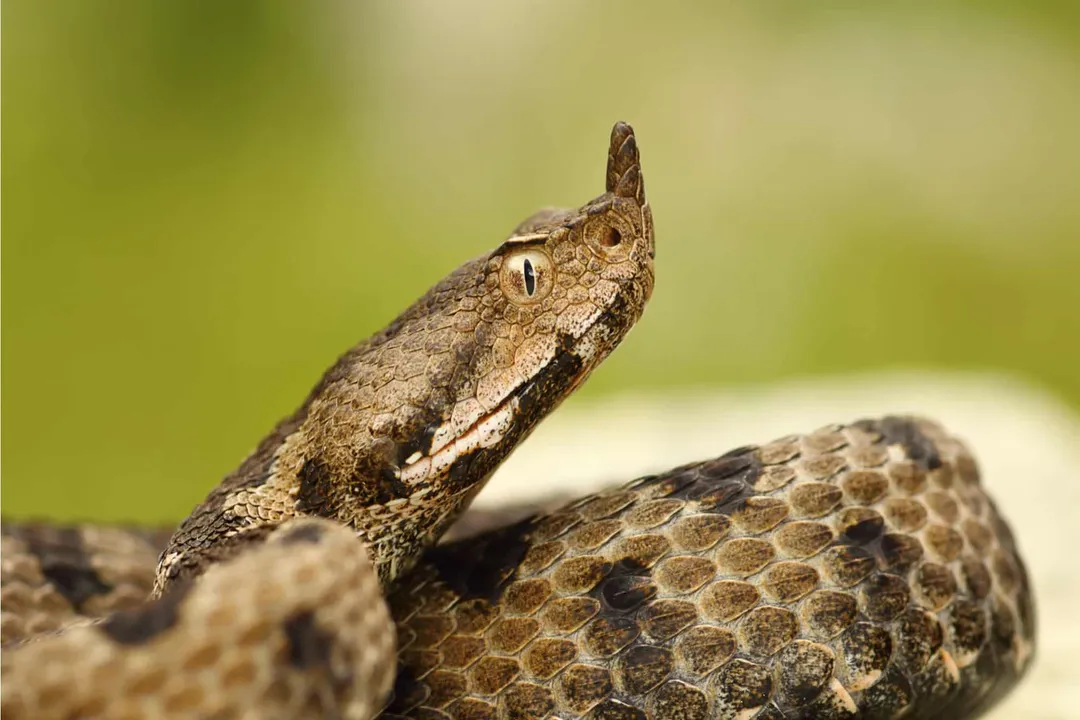
A critical point in viper ecology, often discussed in husbandry circles, is the marked difference in diet between newborn snakes and mature adults. [9] Neonate vipers cannot handle large, powerful prey; attempting to feed them large rodents can result in injury or refusal. [9]
For very young snakes, prey items must be significantly smaller. For instance, one inquiry regarding neonate vipers sought dietary recommendations, suggesting that common feeders like pinky mice might be too large for the very smallest hatchlings. [9] Practical feeding for juveniles often starts with the smallest available options, such as newly born or very small mice, or even appropriate-sized lizards if the species is known to take them early in life. [9] A general rule derived from observation is that the prey item's diameter should generally be no larger than the widest part of the snake's body. [1]
| Life Stage | Typical Prey Size/Type | Consideration | Citation |
|---|---|---|---|
| Neonate | Pinky mice, small lizards | Must be significantly smaller than adult prey; risk of refusal/injury if too large. | [9] |
| Juvenile | Growing mice/rodents | Gradually transition to larger prey as body mass increases. | Implied by [1][9] |
| Adult | Full-sized rodents, birds | Prey size correlates with the snake's girth and energy needs. | [3][5] |
One interesting observation often made by keepers is the principle of prey energy density versus strike risk. For a viper, consuming a large, struggling rat requires a powerful strike and a significant venom dose, risking injury if the rat fights back. Conversely, consuming several very small prey items might be less efficient calorically but carries a much lower risk of trauma. A healthy adult viper will naturally gravitate toward the largest prey it can safely subdue and swallow whole in one strike. [7]
# Hunting Mechanics
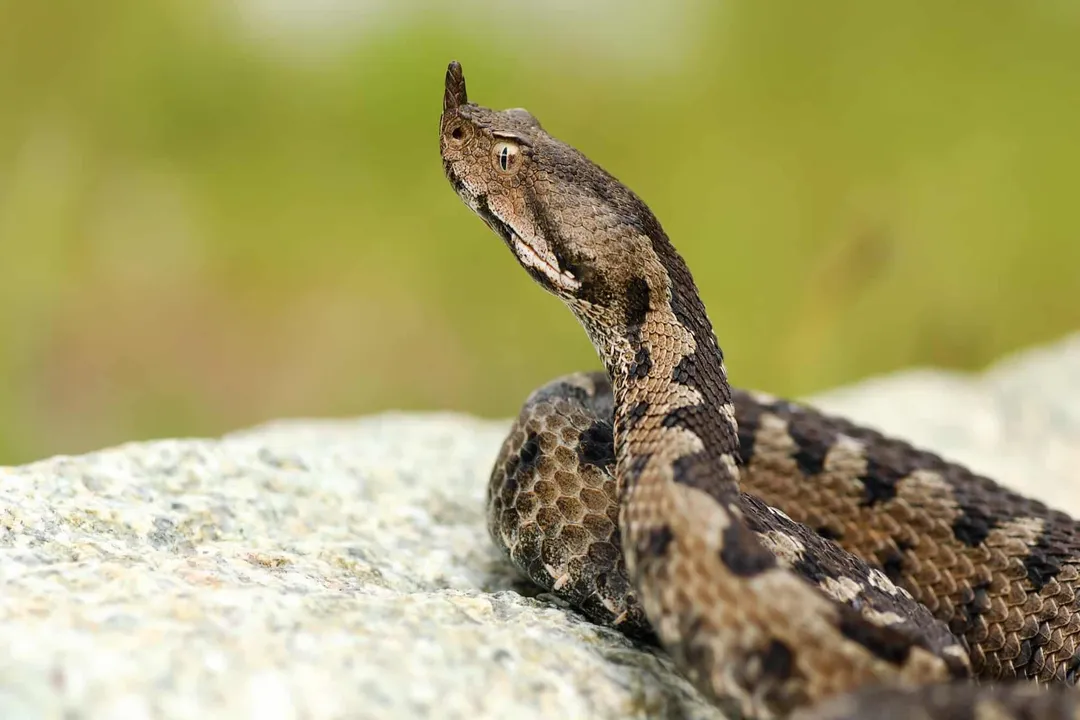
The method of securing a meal is highly standardized across vipers, though nuances exist. Once prey is located, often through heat-sensing pits in pit vipers (which are a type of viper), the snake strikes with incredible speed. [5] The venom is injected, and the snake usually releases the prey immediately. [7] This practice—releasing the prey after the bite—is crucial for avoiding injury from the victim, which might otherwise injure the snake while thrashing. [7]
Following the bite, the viper must locate the dead or dying animal. They often do this by following the scent trail or tracking residual body heat, a process that can take time. [7] Once found, the snake uses its jaws to slowly engulf the prey whole, working it in piece by piece. [7]
The Gaboon Viper, for example, is known for its heavy build and potentially slower digestion rate compared to some faster-moving, desert-dwelling snakes. [5] This means that while their meals are substantial, they may need longer recovery periods between feedings, relying on fat reserves built up from large prey. [5]
# Interspecies Dietary Comparisons
Comparing the diets reveals an interesting pattern of habitat specialization. The Adder (Vipera berus), being adaptable across varied European terrains, shows a broad diet including rodents, lizards, and amphibians. [1] This flexibility is a hallmark of generalist feeders, allowing them to thrive where resources fluctuate seasonally. [1]
In contrast, the Russell's Viper shows a strong reliance on the dense rodent populations found in agricultural and grassland areas of Asia. [3] If rodent control efforts are highly successful in a specific region, the local viper population might experience stress or may have to increase predation on less common prey like birds, potentially impacting local bird populations. [3]
The Mangshan Pit Viper's reliance on rodents in captivity suggests a similar pattern to other terrestrial vipers, suggesting that rodents are likely a major component of its diet in its native mountainous region of China. [6] It is important to note that while captive diets often standardize on laboratory-bred mice, the natural diet of any wild viper includes whatever prey is most reliably available and offers the best caloric return for the effort expended. [7]
# Feeding Intervals and Metabolism
The frequency with which a viper eats is directly tied to its metabolism, body temperature, and the size of the meal consumed. [8] As cold-blooded reptiles, their digestive processes slow considerably in cooler conditions. [8] A large meal taken by a Gaboon Viper in a warm environment will be processed faster than a similar meal for an Adder in a cooler northern European climate during early spring. [5][1]
Generally, healthy adult vipers do not need to eat daily or even weekly. They can often go for extended periods between meals, sometimes weeks or even months, depending on environmental temperatures and activity levels. [8] This infrequent feeding habit is supported by the high-energy content of their typical prey—mammals and birds—which store significant fat reserves. [3]
One area where nutritional maintenance requires careful attention, especially in captivity, is ensuring the prey items themselves are well-nourished. A common management insight, frequently shared among experienced keepers managing species like the Russell's Viper or Gaboon Viper, is that feeding prey that is itself deficient in vitamins (like an underfed mouse) will directly lead to nutritional deficiencies in the snake over time, despite the snake appearing to eat regularly. [3][5] This means the quality of the food item matters as much as the quantity. [7]

# Ecological Role and Regulation
Vipers serve a significant ecological function, primarily as population regulators of small mammals. In areas with high viper density, they can exert considerable top-down control on rodent populations, which benefits agriculture and reduces disease vectors associated with high rodent numbers. [3]
If we consider a hypothetical scenario in a grassland ecosystem where rodents are the primary food for a population of Russell's Vipers, a sudden, sharp decline in the rodent population—perhaps due to disease or environmental change—would force the vipers into a difficult situation. They might start fasting for much longer periods, become more aggressive in seeking alternative prey (like ground-nesting birds, increasing their impact there), or, in severe cases, experience local population decline due to starvation. This highlights the tight coupling between viper diet and local ecological balance. [3]
The dietary flexibility seen in species like the Adder is an evolutionary advantage that allows them to weather such short-term resource fluctuations better than highly specialized feeders. [1] The entire feeding structure of a viper is an energy calculation: maximize caloric intake while minimizing the risk of injury during the process. [7]
# Summary of Prey Choices
To summarize the spectrum of what keeps these snakes alive, we can categorize the main dietary components:
- Mammals: The foundation for many species, including mice, shrews, voles, and larger rodents, depending on viper size. [3][7]
- Birds: Often taken opportunistically, especially fledglings or species foraging on the ground. [7]
- Amphibians and Reptiles: More common for juveniles or species in humid environments, such as frogs and lizards. [1]
The Mangshan Pit Viper's specific requirements in a captive setting, focusing on appropriately sized rodents, underscores the need to mimic the natural prey profile as closely as possible for long-term health. [6] Even for non-venomous snakes, the necessity of providing whole prey, with bones and organs intact, is standard practice to ensure complete nutrition, and this principle is even more critical for venomous snakes whose energy demands after envenomation are high. [7]
The sheer variety, from the relatively small Adder focusing on voles and lizards to the large Gaboon Viper consuming substantial mammals, illustrates that "viper diet" is not a single answer but rather a spectrum dictated by morphology, habitat, and opportunity. [1][5] Understanding this variation is key to appreciating the ecological niche each species fills. [8]
Related Questions
#Citations
Adder - Wikipedia
Mangshan Pit Viper - Los Angeles Zoo and Botanical Gardens
Russell's Viper - Facts, Diet, Habitat & Pictures on Animalia.bio
Green viper snake diet and size - Facebook
Gaboon viper | Smithsonian's National Zoo and Conservation ...
Mangshan Pit Viper (Protobothrops mangshanensis) Fact Sheet
Vipers and Pitvipers: Viperidae - Diet - Animal Life Resource - JRank
Viper - A-Z Animals
Does anyone have a diet for neonate vipers? - ResearchGate