What primary habitat type must support abundant forage for the Waterbuck's existence?
Answer
Grasslands and savannas.
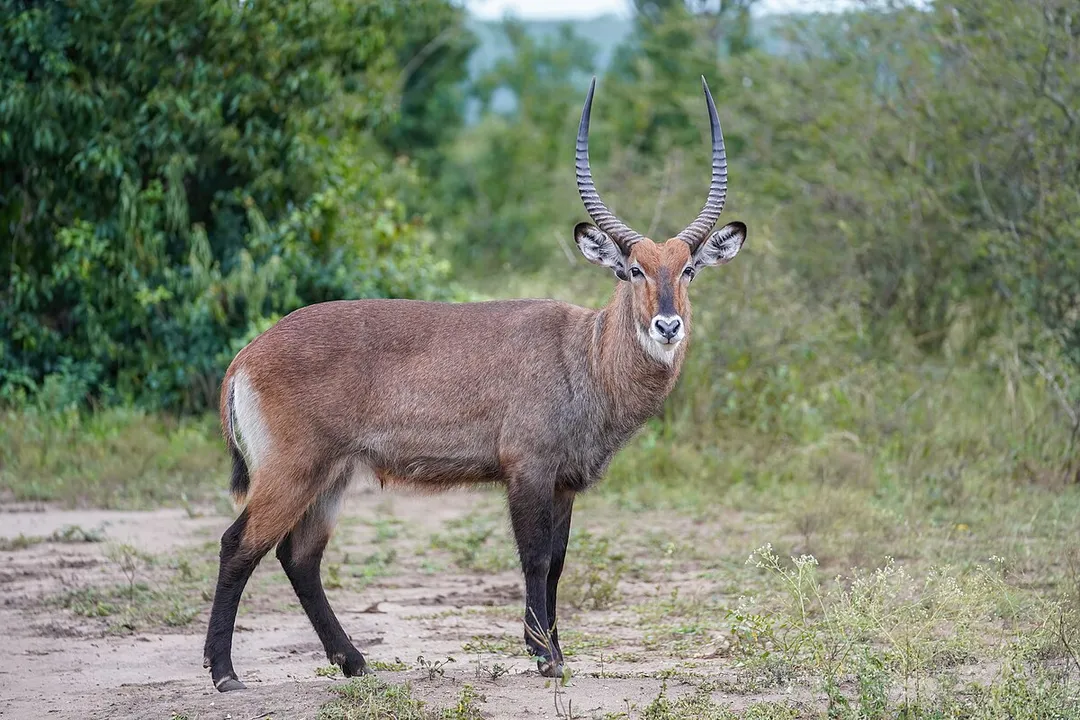
As animals fundamentally classified as grazers, the existence and feeding routine of the waterbuck are intrinsically tied to areas where grass is abundant. Therefore, they are highly dependent on ecosystems such as grasslands and savannas. These environments provide the necessary volume and consistency of their primary food source. If these grassy plains are available near permanent water, the waterbuck will often stick almost exclusively to grazing in those areas.
Related Questions
What is the primary dietary classification of the Waterbuck animal?How does the Waterbuck's water dependency impact its feeding range selection?What quality of grass do Waterbucks show a marked preference for in their primary diet?When are Waterbucks known to supplement their diet by browsing leaves and shrubs?What specific scientific name is provided for the Waterbuck species?During which parts of the day are Waterbucks generally most active when feeding?What physiological burden do Waterbucks face when relying on dry grass during the dry season?What are the two specific Waterbuck subspecies mentioned in relation to regional variations?How is the Waterbuck's grazing style characterized when selecting high-quality forage?What primary habitat type must support abundant forage for the Waterbuck's existence?In terms of dietary flexibility, how does the Waterbuck compare to a Kudu?