What physiological burden do Waterbucks face when relying on dry grass during the dry season?
Answer
The energy expenditure required to digest poor quality dry matter while still meeting daily hydration needs.
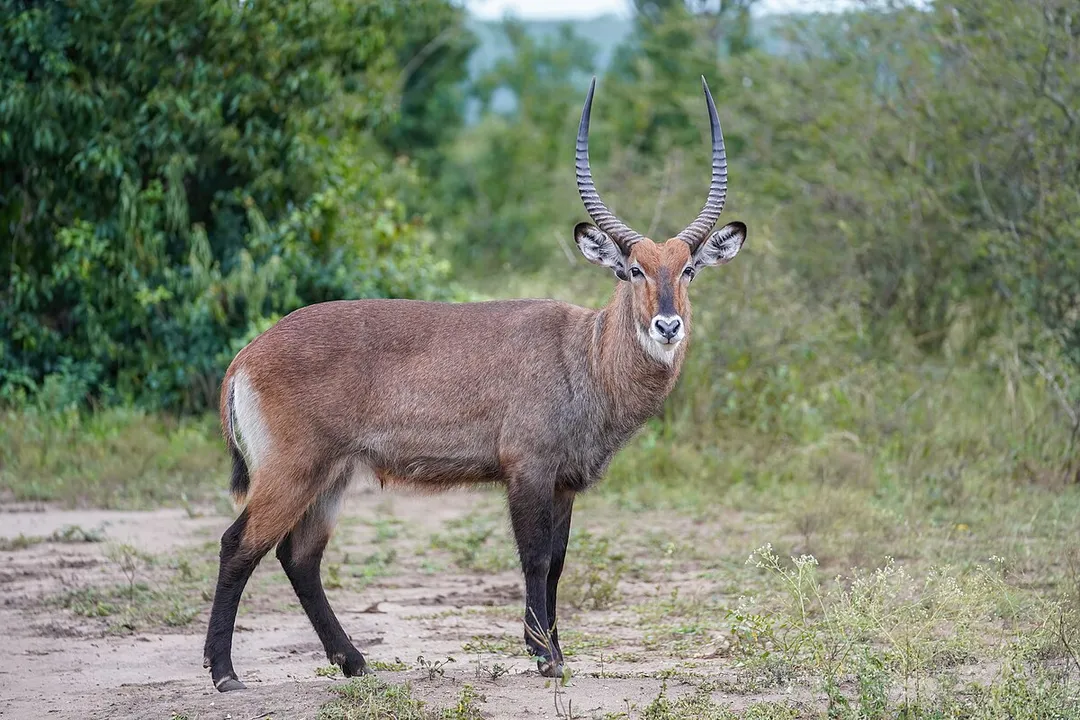
The dry season presents a severe nutritional challenge because the preferred fresh grasses wither, leaving behind less nutritious, lignified remains. The waterbuck must consume this poorer quality dry matter to maintain bulk intake, but doing so requires significant digestive energy. Compounding this difficulty is the fact that they cannot escape this situation by moving far away for better forage, as they must still drink daily. Therefore, the combined metabolic effort of digesting low-value dry forage while simultaneously fulfilling high hydration requirements places a substantial physiological burden on the herd.
Related Questions
What is the primary dietary classification of the Waterbuck animal?How does the Waterbuck's water dependency impact its feeding range selection?What quality of grass do Waterbucks show a marked preference for in their primary diet?When are Waterbucks known to supplement their diet by browsing leaves and shrubs?What specific scientific name is provided for the Waterbuck species?During which parts of the day are Waterbucks generally most active when feeding?What physiological burden do Waterbucks face when relying on dry grass during the dry season?What are the two specific Waterbuck subspecies mentioned in relation to regional variations?How is the Waterbuck's grazing style characterized when selecting high-quality forage?What primary habitat type must support abundant forage for the Waterbuck's existence?In terms of dietary flexibility, how does the Waterbuck compare to a Kudu?