Waterbuck Diet
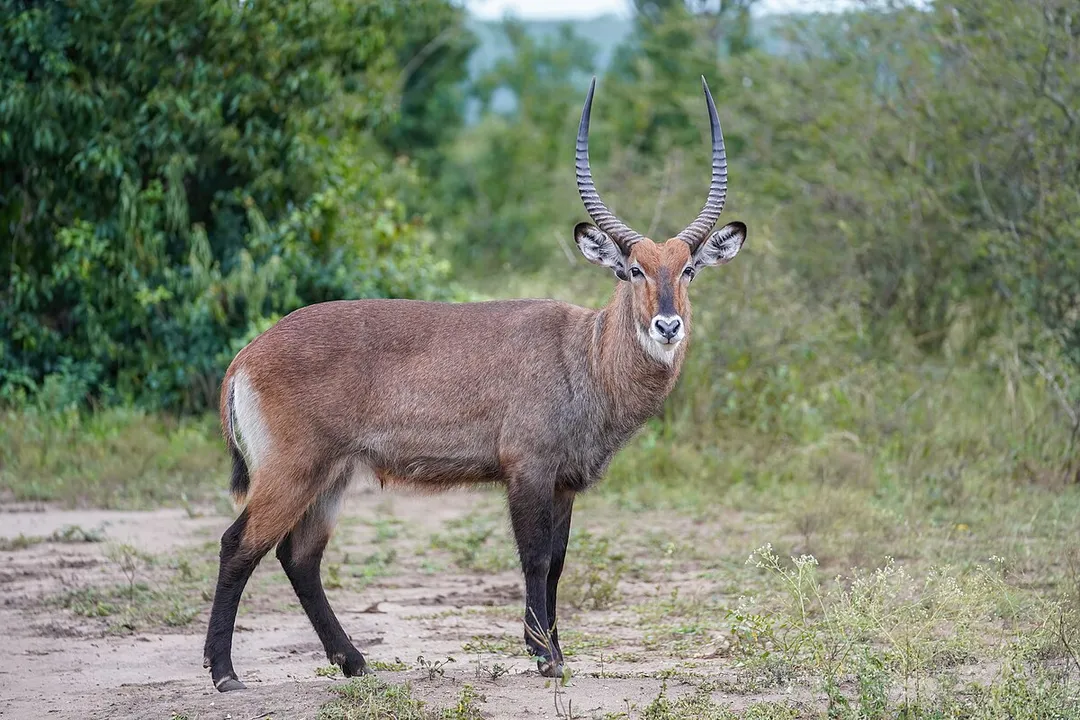
Waterbuck are creatures of habit, and nowhere is this more evident than in their feeding routine. As large antelopes found across sub-Saharan Africa, their existence is intrinsically tied to the availability of fresh water, which in turn dictates where and what they consume. [1][10] Fundamentally, the waterbuck is classified as a grazer. [1][2][4][5] This means their primary sustenance comes directly from grasses, making them highly dependent on grasslands and savannas where such forage is abundant. [4][5]
# Primary Food Source
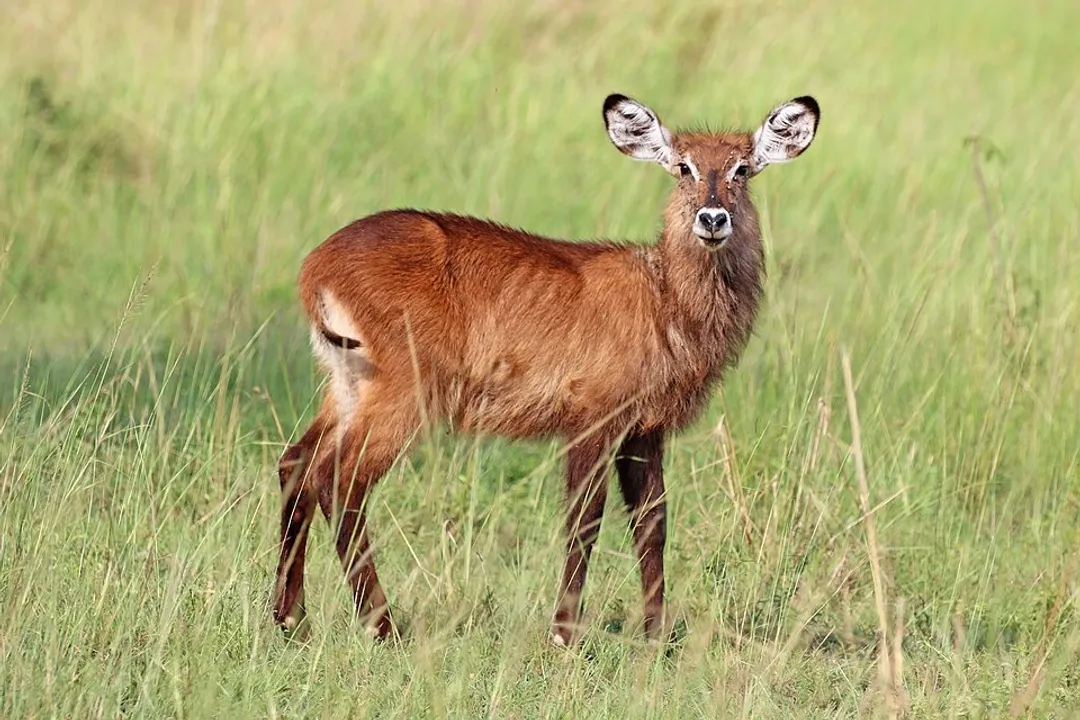
The vast majority of the waterbuck's diet is composed of various species of grass. [1][4][5] They show a marked preference for fresh, green grasses, often favoring the young, nutritious growth when available. [4] This preference is common among specialist grazers who need the higher protein and lower fiber content found in new shoots. [4] In areas where the habitat supports it, such as near rivers or floodplains, they will stick almost exclusively to these grassy plains. [2]
However, the term "grazer" doesn't mean they completely ignore other plant matter. When preferred grasses are depleted, perhaps during a dry spell or due to intense local competition, waterbucks are known to become opportunistic feeders. [4][5] In these scarcer times, they will supplement their diet by browsing—eating leaves, shoots, and shrubs. [4][5] This shift in behavior shows a degree of dietary flexibility, though it is secondary to their grass-based needs. [5]
# Water Dependency
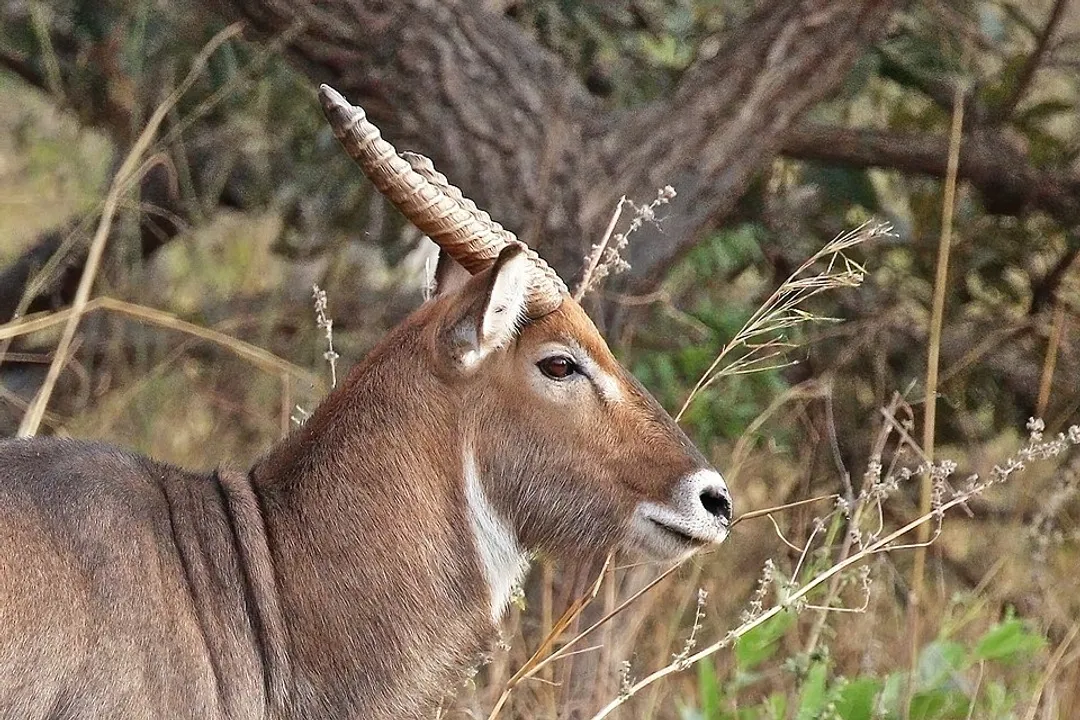
Perhaps the most defining characteristic influencing the waterbuck's diet is its absolute need for regular drinking water. [2][4][5][10] Unlike some of their antelope cousins, waterbucks cannot go for extended periods without a fresh drink. This dependency mandates that they remain relatively close to permanent water sources like rivers, lakes, or waterholes. [1][10]
This ecological constraint has a direct, significant impact on their feeding range. If the best grazing lands are too far from a reliable water source, the waterbuck must prioritize proximity to water over the quality or quantity of grass, or risk dehydration. [2] For instance, while a different species of antelope might travel many miles inland to reach prime grazing during a dry season, the waterbuck is tethered to its drinking spot, often consuming whatever grass grows within that accessible radius, even if it means ingesting less palatable or drier forage. [10] This necessity for daily hydration essentially funnels their diet into a localized zone dictated by hydrology.
# Feeding Patterns
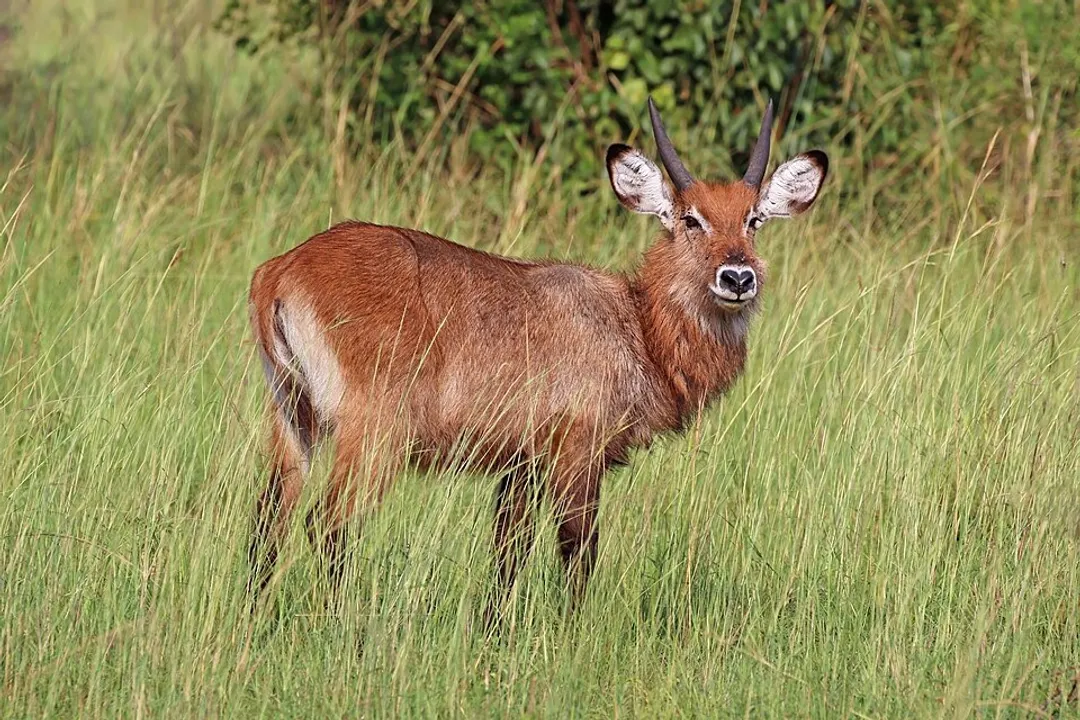
The timing of their meals is also quite structured. Waterbucks are generally most active in their feeding during the cooler parts of the day. [4] They commonly graze during the night or in the early morning and late afternoon/evening hours. [4][6] In particularly hot climates, this nocturnal or crepuscular grazing behavior becomes even more pronounced. [4] This pattern helps them avoid overheating while maximizing intake during periods when the grass might be slightly less dry than in the harsh midday sun.
A typical day might see them grazing consistently for several hours, taking time to drink, and then resuming their grazing before settling down to ruminate. For an animal that weighs between 100 and 270 kilograms, maintaining a consistent intake of bulk forage is essential for survival and breeding success. [1]
# Species and Regional Variations
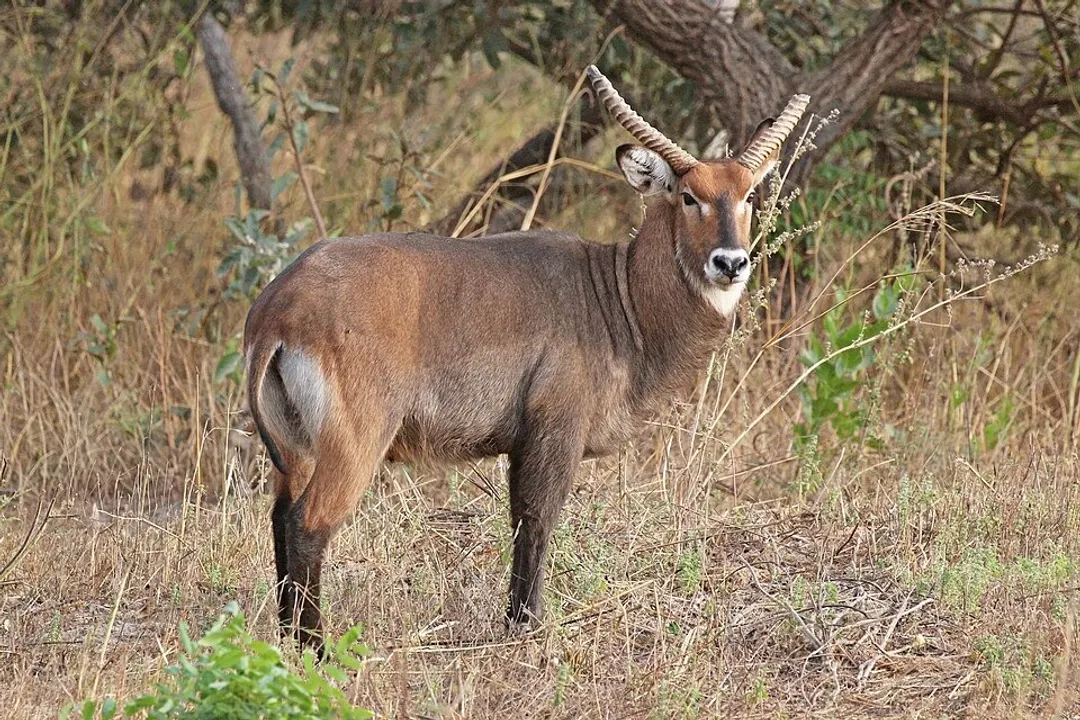
It is useful to note that the name "waterbuck" often refers to the species Kobus ellipsiprymnus, which is divided into subspecies, most notably the Common waterbuck and the Defassa waterbuck. [5][7] While their core diet is the same—grass—subtle differences in habitat preference across their range can lead to minor dietary variations. [5]
For example, the Defassa waterbuck, often cited in East African contexts, might encounter different dominant grass species than a waterbuck population residing in a more Southern African riparian zone. [3][7] Although sources might not list specific grass species for every region, the underlying principle remains: Kobus ellipsiprymnus is a dedicated grass-eater whose secondary food sources (browse) are introduced only when necessary. [5] Comparing this to a truly mixed feeder, like a kudu, which willingly consumes a much higher percentage of leaves year-round, the waterbuck’s commitment to grass is far stronger.
| Dietary Category | Primary Intake (%) | Secondary Intake (%) | Key Constraint |
|---|---|---|---|
| Grazing | High (Dominant) [1][4] | Low (Seasonal) [4][5] | Availability of fresh grass [1] |
| Browsing | Very Low [4][5] | Moderate (Dry season) [5] | Water proximity limits range [10] |
When we look at the dry season, this reliance on water becomes a double-edged sword for the waterbuck's nutrition. As the preferred grasses wither, the waterbuck must either rely on the less nutritious, lignified remains of the grass or increase their browsing activity. [4][5] Since they must still drink daily, they cannot move to distant, better-vegetated areas. The energy expenditure required to digest poorer quality dry matter while still meeting hydration needs places a significant physiological burden on the herd during these months. Successfully navigating the dry season often depends on the quality of the surrounding browse and the residual nutritional value left in the dry grass stalks near the life-giving water source. This interplay between water access and forage quality is a key determinant of local population health. [2]
# Foraging Behavior Context
Waterbucks are often found alone or in small family groups, though larger aggregations can occur where resources are rich. [2] Their grazing is generally steady and somewhat slow, characteristic of an animal selecting for high-quality forage when available, rather than frantically consuming anything in sight. [4] Their proximity to water also makes them vulnerable; predators often learn that these reliable water sources become predictable hunting grounds, placing pressure on the waterbuck to be vigilant even while feeding. [6] This vigilance, combined with the need to stay near water, creates a complex behavioral loop where feeding efficiency is constantly balanced against safety and hydration requirements. It’s fascinating to observe how this single biological requirement—daily drinking—so rigidly structures the entire life rhythm of this large antelope.
Related Questions
#Citations
Waterbuck | African Wildlife Foundation
Waterbuck - Wikipedia
Defassa Waterbuck | MpalaLive
Waterbuck - Facts, Diet, Habitat & Pictures on Animalia.bio
Kobus ellipsiprymnus (waterbuck) - Animal Diversity Web
Waterbuck's role in Kruger National Park's biodiversity - Facebook
Defassa Waterbuck Facts and Information | United Parks & Resorts
Feeding Preference and Habitat Association of Defassa Waterbuck ...
Meet Our Wonderful Waterbuck | Animals - Knowsley Safari
Waterbuck - Badoca