What is a Troodon diet?

The dietary habits of Troodon remain a fascinating area of study among paleontologists, often sparking debate about whether this dinosaur was a dedicated meat-eater or something more adaptable. What is clear is that this small, relatively bird-like dinosaur possessed unique anatomical features that strongly informed how and what it consumed during the late Cretaceous period.
# Eye Size
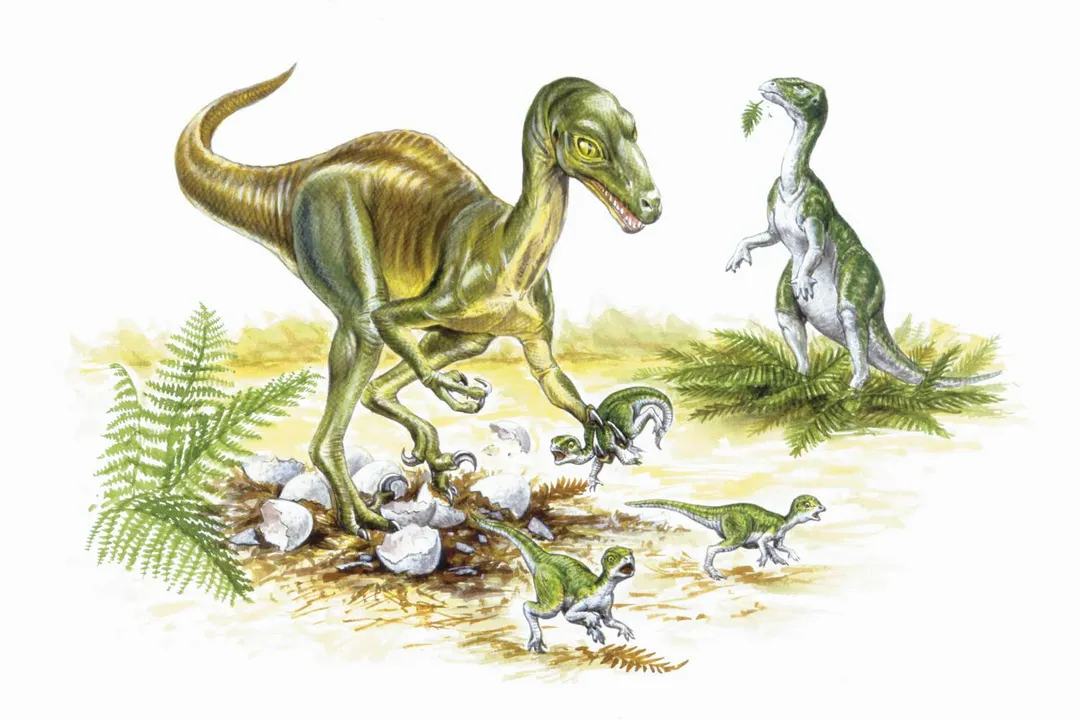
One of the most compelling pieces of evidence regarding Troodon's lifestyle, which directly impacts our understanding of its diet, is its remarkably large eye sockets. The size of these orbits, relative to the rest of the skull, suggests that Troodon had excellent vision, likely superior to many of its contemporaries. This anatomical trait has led many experts to conclude that Troodon was active primarily at night, or at least during low-light conditions such as dawn and dusk.
This nocturnal or crepuscular activity pattern suggests a specific feeding window. An animal active when many other small creatures might be emerging, or conversely, retreating into burrows, would have access to a particular niche of prey animals.
# What It Ate
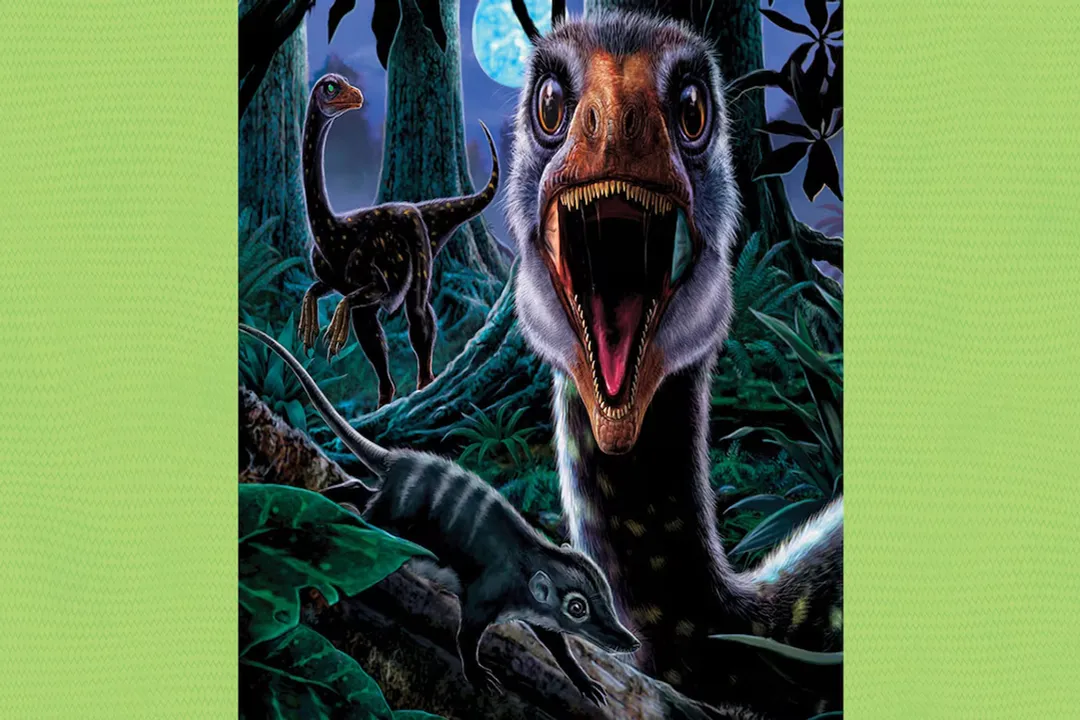
The prevailing scientific consensus points toward Troodon being an omnivore. This means its meals were varied, consisting of both animal matter and plant material.
The animal portion of the diet likely centered on prey items that could be easily captured by an agile, relatively small dinosaur active in low light. This list commonly includes:
- Small Mammals: Dinosaurs like Troodon would have preyed upon the early mammals that were beginning to diversify during the Mesozoic Era.
- Lizards and other Reptiles: Smaller reptiles scurrying along the forest floor would have been accessible targets.
- Birds: Given the presence of early birds, Troodon may have been capable of catching some of these less adept avian flyers.
- Insects: Arthropods would have provided a reliable, high-protein food source, especially if larger prey was scarce.
- Eggs: Nests of other, smaller dinosaurs or ancient birds could have provided easy caloric intake.
Beyond meat, the sources indicate that Troodon supplemented its diet with vegetation. While the exact types of plants are speculative, this inclusion firmly places it outside the category of a pure carnivore. It is worth noting that in some specialized contexts, such as video games, Troodon might be categorized strictly as a carnivore, but this contrasts with the broader paleontological evidence presented across several studies.
# Hunting Style
The combination of agility, likely nocturnal habits suggested by the eyes, and a diverse diet implies a versatile, opportunistic hunter and forager. Imagine Troodon stalking through the undergrowth just as the sun dips below the horizon. Its large eyes would pick up the slightest movement of a rodent stirring near its den or a lizard sunning itself belatedly.
If we consider the temporal niche—the time of day the animal fed—the advantage of those massive eyes becomes clearer. While many large predators would have been sleeping off the heat of the day, Troodon could have specialized in catching smaller, perhaps more timid, prey that only became active in the cooler darkness. This specialization in low-light hunting efficiency could have allowed Troodon to coexist successfully alongside larger, diurnal predators without direct competition for the same resources during peak daylight hours.
# Dietary Spectrum
To help visualize the wide range of consumables attributed to Troodon, we can organize the accepted dietary components based on the available fossil evidence and interpretation of its physiology:
| Food Category | Examples Attributed to Troodon | Source of Evidence |
|---|---|---|
| Vertebrates | Small mammals, lizards, birds | Fossil associations and morphology |
| Invertebrates | Insects | General omnivore profile |
| Other Animal Matter | Eggs | Nest raiding potential |
| Plant Matter | Vegetation | Direct inclusion in omnivore description |
While the evidence strongly supports an omnivorous classification that allows for flexibility, it is important to recognize that the degree of omnivory varied among individuals or populations. Perhaps Troodon populations living near coastal areas or lush river valleys consumed significantly more plant matter than their counterparts in drier inland territories, an ecological consideration often overlooked when assigning a single dietary label. The interpretation of its diet ultimately reflects a dinosaur well-adapted to maximize caloric intake from whatever resources were available across the changing day and night cycle.
Related Questions
#Citations
Troodon - Wikipedia
Troodon | Jurassic World Evolution Wiki - Fandom
A recently published study suggests that troodontids might have ...
Troodon: An Omnivorous Dinosaur With a Big Brain | HowStuffWorks
10 Facts About Troodon - Dinosaurs - ThoughtCo
What did the Troodon eat? - Quora
Troodon - Denali National Park & Preserve (U.S. National Park ...
Troodon | National Geographic Kids