What is the best diet for mules?

Mules possess a unique digestive makeup, setting them apart from horses, which often leads well-meaning owners to feed them according to equine standards—a practice that can quickly spell trouble for the mule. [3][5] Their heritage, stemming from the hardier donkey sire, means they are remarkably efficient at extracting nutrients from sparse forage. [5] This efficiency, while beneficial in a tough environment, translates directly into a high risk for weight gain and associated health issues, such as laminitis, when fed a diet too rich or abundant. [1][5] Understanding the mule's core nutritional philosophy—forage first, and controlled forage at that—is the cornerstone of maintaining their long-term soundness and health. [8]
# Digestive Reality
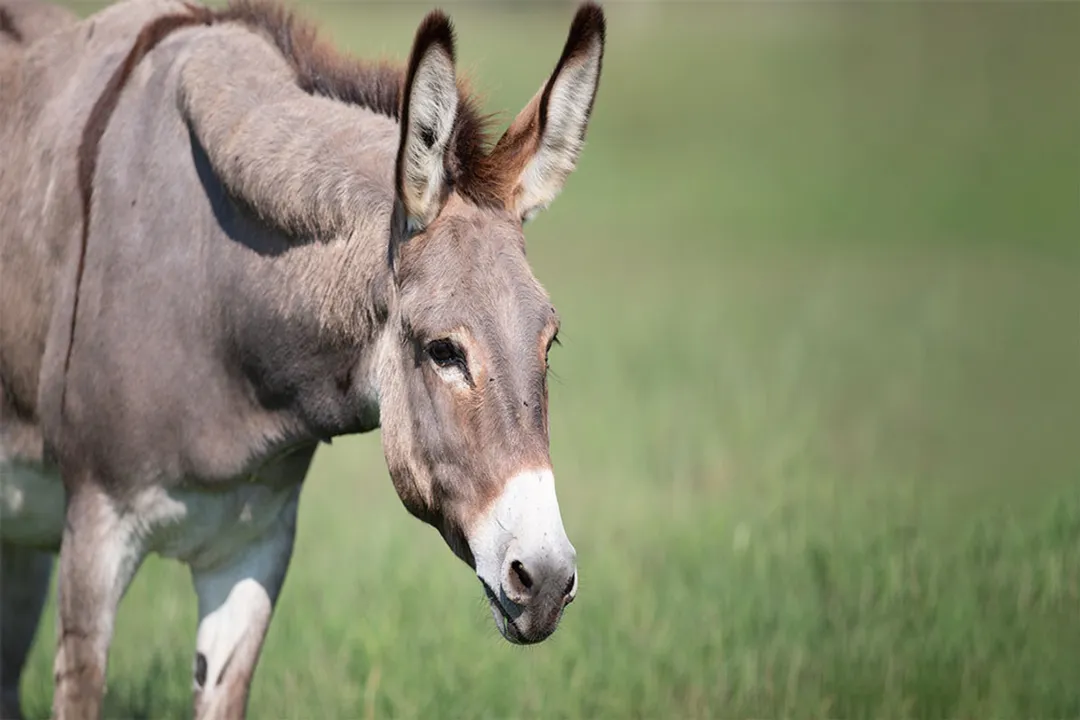
The key difference lies in their metabolism. Mules generally require less energy intake compared to a horse of similar size and workload. [5] They are exceptionally good at utilizing lower-quality feed, a trait inherited from their donkey ancestry. [5] This evolutionary advantage means that simply offering ad libitum access to lush pasture or large quantities of high-energy hay can lead to rapid weight accumulation, a condition sometimes jokingly referred to as "prosperity" for the mule that simply cannot handle it. [1] Because of this high efficiency, their diet must always be managed to match their actual energy output, not just their size. [9] If a mule is doing light work or is pastured most of the time, their nutritional requirements drop significantly below what many typical horse rations provide. [9]
# Forage Foundation

The backbone of any sound mule diet must be high-fiber forage, primarily hay, which should form the largest percentage of their total daily intake. [3][8] For most mules, especially those not engaged in heavy labor, forage should constitute nearly their entire diet. [5] The goal is to keep the digestive system moving consistently, as this slow, steady process is what mules are designed for. [3]
When assessing hay quality, owners must be diligent. While horses might thrive on moderate to high-quality grass or alfalfa hay, mules often do better on lower-energy grass hays. [8] Alfalfa, while high in protein and calcium, is often too calorie-dense for the average mule unless they are working very hard, lactating, or are underweight, making grass hay a safer daily staple. [3][8] The average adult mule in light work needs approximately 1.5% of its body weight in dry matter from forage per day. [2] For a 1,000-pound mule, this means roughly 15 pounds of hay daily, assuming the hay is the primary source of nutrition. [2]
To calculate precisely what this means in volume, consider that one pound of hay varies widely in density based on maturity and bale type. A standard, medium-quality grass hay might yield about 1800 to 2000 calories per pound, but a coarse, mature hay might offer closer to 800-1000 calories per pound. [3] If your 1000-pound mule is only performing light maintenance work (perhaps 1–3 hours of occasional riding per week), their caloric needs might only be around 15,000 to 18,000 calories per day. [9] Feeding 15 pounds of a very rich hay could easily push them over 25,000 calories, leading to weight gain, even if they look "skinny" by horse standards. [1][3]
# Limiting Richness
The biggest nutritional pitfall for mule owners is underestimating the energy density of modern feeds and pastures. [4] Rich, lush spring grass is a major culprit, often containing high levels of Non-Structural Carbohydrates (NSC). [3][5] High NSC intake can rapidly destabilize the hindgut and contribute to metabolic issues. [3] For mules, keeping NSC levels low is paramount, often aiming for less than 10% in the total diet, though some sources recommend keeping grain or sweet feed contribution to less than 0.5% of body weight per day. [3][8]
Grain, sweet feeds, and commercial concentrates designed for performance horses are generally unnecessary and often detrimental for most mules. [4][8] They provide readily available energy that the mule’s metabolism converts directly into fat. [1] If a mule requires supplementation above what good forage provides, it should be targeted—protein or specific vitamins/minerals—rather than generalized energy. [8]
When pastures are exceptionally green, management must become strict. Restricting access via stripping the pasture, using a dry lot, or employing a grazing muzzle can be essential tools to prevent unchecked NSC intake, even if it feels restrictive. [5] Owners must actively manage the "prosperity" potential of their environment. [1]
# Supplement Strategy
While hay forms the bulk, it often falls short on certain micronutrients, especially for mules maintained on grass hay alone. [5] A mule diet needs careful evaluation, potentially with the help of a nutritionist, to ensure adequate intake of vitamins and minerals like copper, zinc, selenium, and Vitamin E. [3][5]
If the mule is not getting enough calories or protein from forage alone—perhaps due to very low-quality hay or high energy demands—a ration balancer or a low-sugar, high-fiber feed designed specifically for mature or easy-keeping equids can bridge the gap. [8] These products provide concentrated nutrients without excessive calories or starch found in traditional grains. [3]
For mules that simply won't maintain weight on forage—which is rare but does happen with certain individuals or during heavy work—you might need to add fat calories, such as rice bran or vegetable oil, as a safer energy source than high-starch grains. [8] However, always prioritize addressing the forage first. If you add a supplement, ensure it is coated or delivered in a way that the mule cannot simply pick out the tasty bits, leaving behind the necessary vitamins. [5]

# Water Intake
Hydration is often overlooked in diet discussions, but it is critical, particularly because mules evolved in drier climates and can be prone to dehydration and colic if water intake drops. [2] Access to clean, fresh water must be available at all times. [2]
Mules often prefer their water slightly warmer than horses might tolerate in cold weather, sometimes necessitating heated buckets to ensure consistent intake during winter months. [2] A general guideline suggests a mule should drink between 5 and 10 gallons of water per day, but this fluctuates significantly with temperature, work, and the moisture content of their feed (e.g., they drink less if they are on very wet grass). [2] Monitoring water consumption is an easy, non-invasive way to gauge overall health and digestive function.
# Feeding Schedules
Beyond what you feed, how you feed profoundly impacts a mule's digestive health. [1][4] Mules are designed to trickle-feed throughout the day, mimicking natural grazing patterns. [3] When they are fed large meals infrequently—such as a huge flake of hay once a day—it leads to long periods of fasting followed by gorging, which stresses the digestive tract. [1][4]
To combat this, implement slow feeding techniques. [1] Using small-holed hay nets or specialized slow-feeders is highly recommended to extend the time it takes for them to consume their daily ration. [1][4] An advanced management technique involves dividing the mule's total daily forage allotment into many small portions and scattering them across a wide area or placing them in several widely spaced feeders throughout the turnout area. [4] This not only slows intake but also encourages more natural movement and foraging behavior, acting as a form of low-level enrichment alongside nutritional management. [4]
Feed on a consistent routine. [2] While the quantity must be carefully restricted for the easy keeper, the timing should be predictable. If the mule is on a schedule that includes grain or supplements, delivering these at the same time each day helps regulate the digestive environment. [2] Remember, slow, steady, and controlled access to low-energy forage is the blueprint for a healthy, sound mule. [5]
#Videos
Feeding your mules! - YouTube
Related Questions
#Citations
Mule Feed and Nutrition Program | Queen Valey Mule Ranch
Mule Care & Management Guide: Characteristics, Health & Nutrition
Understanding Nutrition for Mules - The Horse
What do you feed your mule? : r/Equestrian - Reddit
Feeding Donkeys and Mules vs. Horses - Platinum Performance
What is the best diet for a mule, specifically regarding alfalfa intake?
Feeding your mules! - YouTube
How to Feed Mules - Foxden Equine
Ask Meredith – Nutrition & Diet - Lucky Three Ranch