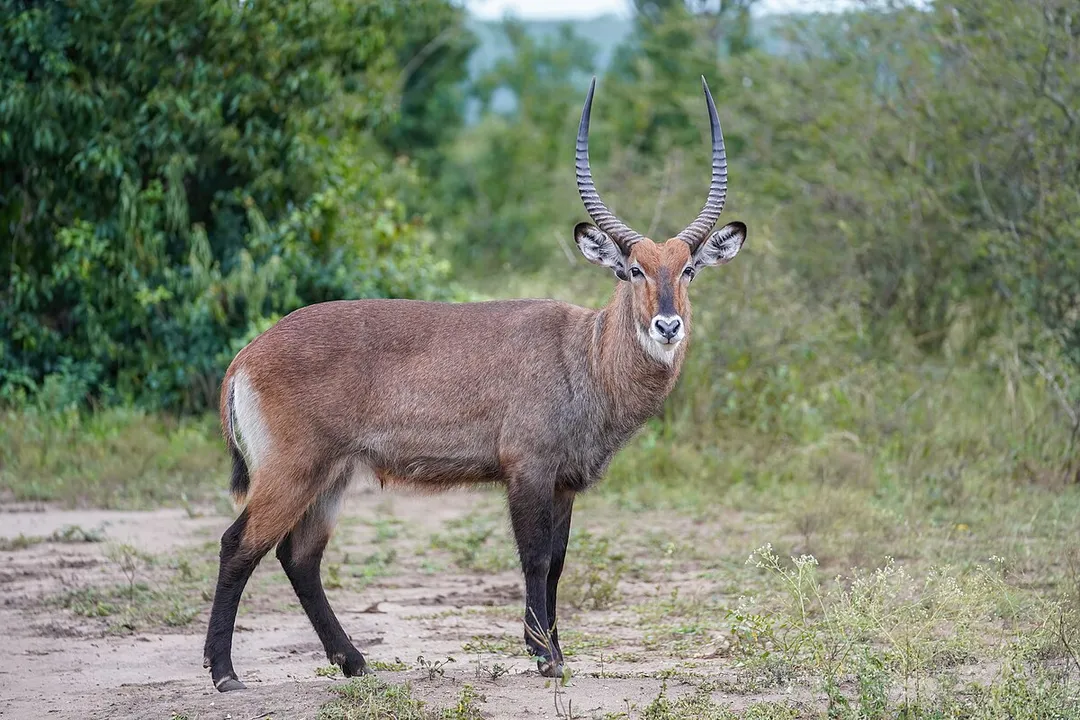
How does the Waterbuck's water dependency impact its feeding range selection?
Proximity to water dictates range, forcing them to consume available grass even if it is of lower quality.
The waterbuck possesses an absolute and defining need for regular, fresh drinking water, often requiring daily hydration. This ecological constraint acts as a severe tether, preventing them from traveling long distances inland to access superior grazing lands, especially during dry periods. If the best grazing lands are too distant from a reliable river, lake, or waterhole, the animal must prioritize staying within the accessible radius of the water source. Consequently, they will consume the grass growing nearby, even if that forage is less palatable, drier, or nutritionally inferior to what might be available elsewhere, solely to avoid the risk of dehydration.