In terms of dietary flexibility, how does the Waterbuck compare to a Kudu?
Answer
The Waterbuck’s commitment to grass is far stronger than that of a Kudu.
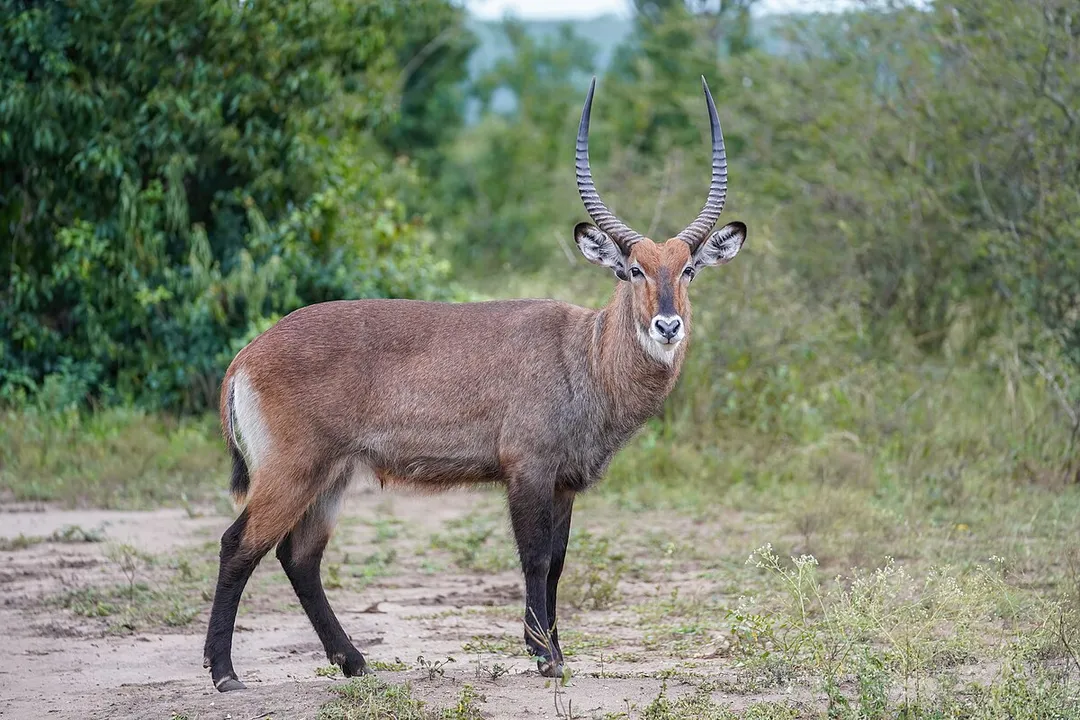
The text establishes a clear contrast between the waterbuck and certain other herbivores, specifically mentioning the Kudu as an example of a different feeder type. While waterbucks display secondary browsing behavior during times of grass scarcity, they remain dedicated grass-eaters. The Kudu, conversely, willingly consumes a much higher percentage of leaves year-round, classifying it as a more mixed feeder. This comparison highlights that the waterbuck maintains a much stricter and stronger commitment to its primary grass diet than the Kudu does to its mixed diet.
Related Questions
What is the primary dietary classification of the Waterbuck animal?How does the Waterbuck's water dependency impact its feeding range selection?What quality of grass do Waterbucks show a marked preference for in their primary diet?When are Waterbucks known to supplement their diet by browsing leaves and shrubs?What specific scientific name is provided for the Waterbuck species?During which parts of the day are Waterbucks generally most active when feeding?What physiological burden do Waterbucks face when relying on dry grass during the dry season?What are the two specific Waterbuck subspecies mentioned in relation to regional variations?How is the Waterbuck's grazing style characterized when selecting high-quality forage?What primary habitat type must support abundant forage for the Waterbuck's existence?In terms of dietary flexibility, how does the Waterbuck compare to a Kudu?