What pattern describes the change in plumage color across Willow Warbler subspecies from west to east?
Answer
Clinal reduction in color intensity towards grayish plumage
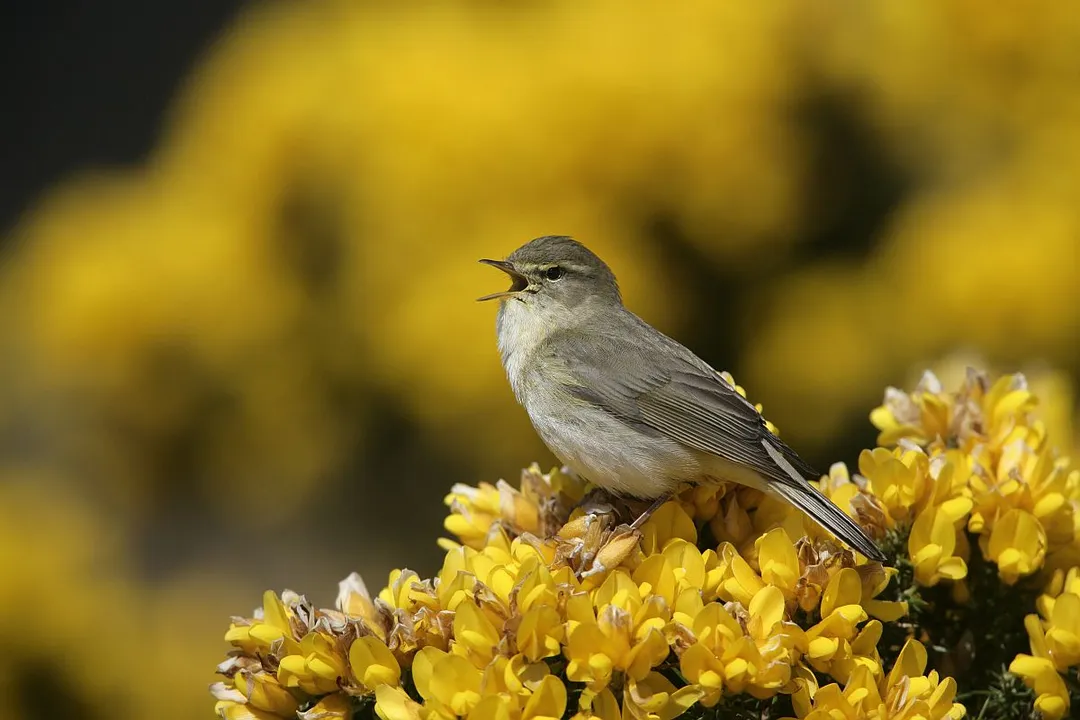
A distinct geographical pattern, known as a clinal variation, is observed in the plumage coloration among the three recognized subspecies of *P. trochilus*. This change is directly correlated with geography across the species' wide Palearctic breeding range. The westernmost subspecies, *P. t. trochilus*, exhibits greener and yellower tones in its plumage. As one moves eastward to the subspecies *P. t. yakutensis* originating from eastern Siberia, there is a consistent reduction in this coloration, resulting in plumage that tends toward more grayish tones. This subtle but consistent marker is tied to environmental factors like seasonal exposure across their respective ranges.
Related Questions
Which naturalist first cataloged the species as *Motacilla trochilus* in 1758?What is the literal meaning of the genus name *Phylloscopus* derived from Ancient Greek words?What geographical region is the breeding ground for the subspecies *P. t. yakutensis*?How is the Willow Warbler's song characterized in contrast to the Chiffchaff's call?What was the initial binomial name given to the species by Carl Linnaeus?Which broader family name was the *Phylloscopidae* family historically subsumed within?What pattern describes the change in plumage color across Willow Warbler subspecies from west to east?Who introduced the genus *Phylloscopus* to which the Willow Warbler now belongs?To which vast order of birds, representing all perching birds, does *P. trochilus* belong?What is the meaning of the Ancient Greek specific epithet *trochilus*?