What must keepers of giant water bugs (GWB) promptly remove from the tank water?
Answer
Uneaten portions of food after the feeding process.
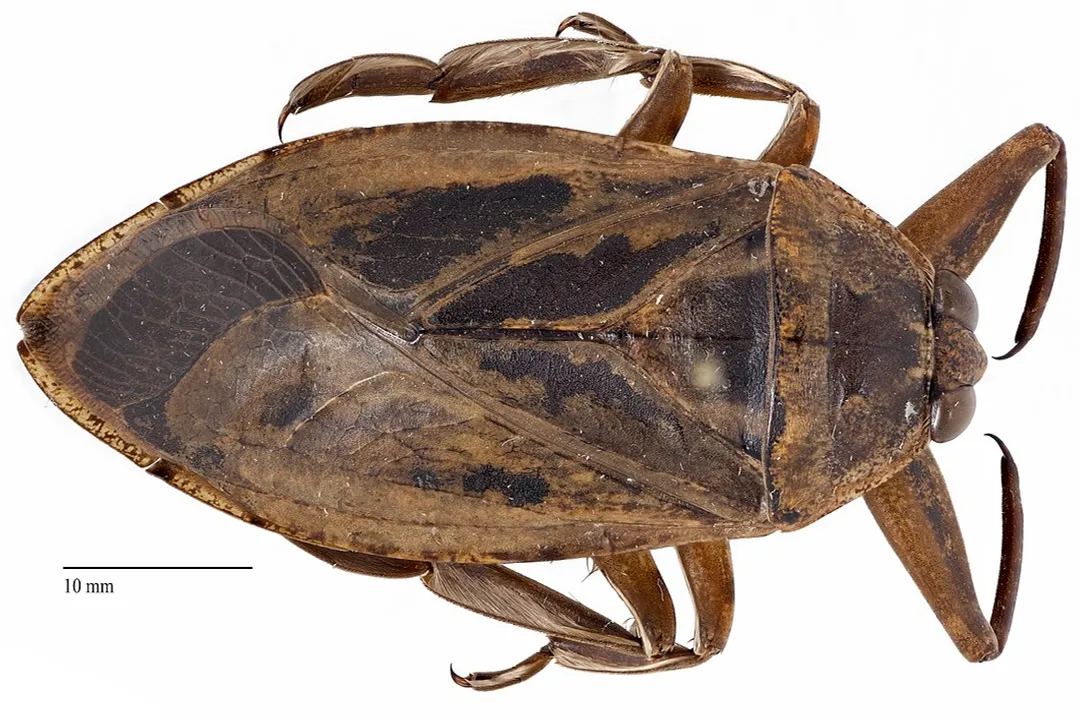
When keeping giant water bugs in captivity, known as 'invert pets,' responsible husbandry requires immediate removal of any leftover food. This necessity arises directly from their unique feeding style involving liquefaction via digestive enzymes. Unlike terrestrial insects that might nibble solid food slowly, the GWB leaves behind partially dissolved or undigested food remnants. Because the external digestive process has already begun, these residues decay extremely rapidly in the aquatic environment, quickly fouling the tank water and creating an unhealthy habitat for the bug.
Related Questions
How does the giant water bug liquefy prey using its sharp, piercing beak known as the rostrum?What specialized anatomy does the giant water bug use for grasping struggling victims?Why is the giant water bug frequently nicknamed a "toe-biter" in common usage?Which vertebrate prey item is specifically noted as frequently featured in the diet in Australian contexts?What must keepers of giant water bugs (GWB) promptly remove from the tank water?What is the primary stimulus needed to initiate the feeding response when offering frozen-thawed food to a pet giant water bug?What structural residue is sometimes left behind near submerged vegetation indicating a giant water bug has successfully hunted?What functional advantage does the GWB's external digestion provide compared to insects relying solely on mastication?Which category of creatures, in addition to insects and mollusks, forms a staple part of the giant water bug's diet?What effect do giant water bugs have on pond communities by consuming a wide variety of life, including fish and amphibians?