Water Bug Facts
Many people who encounter large, brownish insects near ponds or occasionally fluttering around outdoor lights use the term "water bug" casually. However, this common phrase often refers to the Giant Water Bug, members of the insect family Belostomatidae. [3] These insects are fascinating, formidable aquatic predators known by several memorable names, including the "toe-biter" and the "electric-light bug". [1][5][6] They are genuine true bugs, belonging to the order Hemiptera, which immediately separates them from pests like cockroaches or bed bugs, despite the confusing common vernacular. [3][4][7]
# Physical Traits
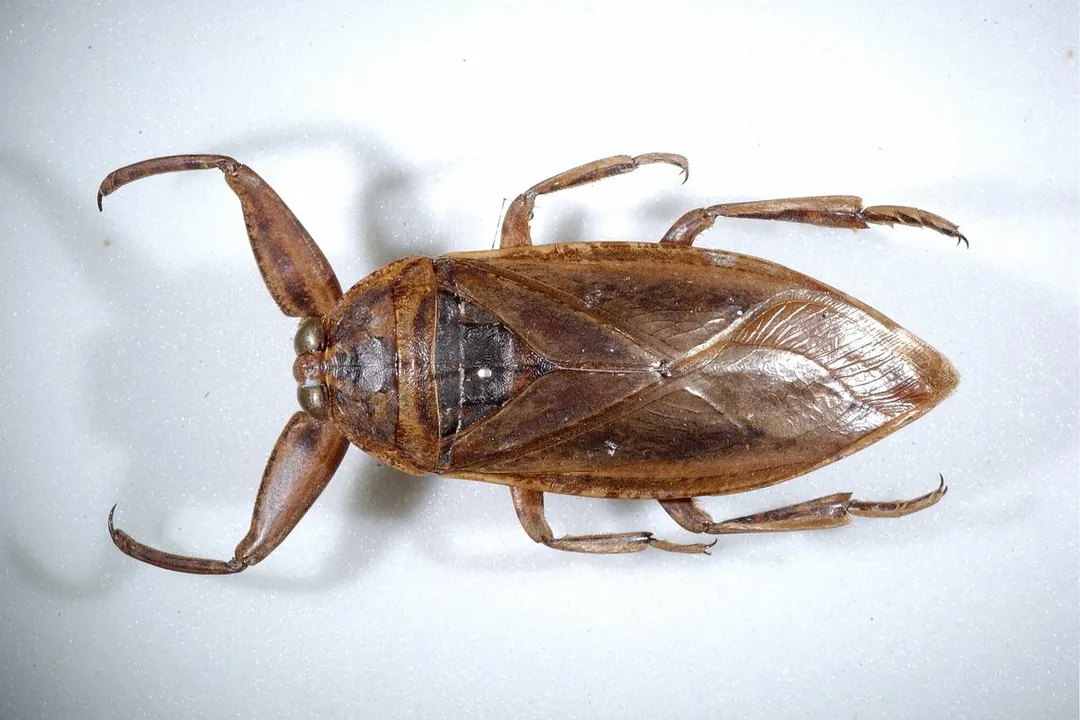
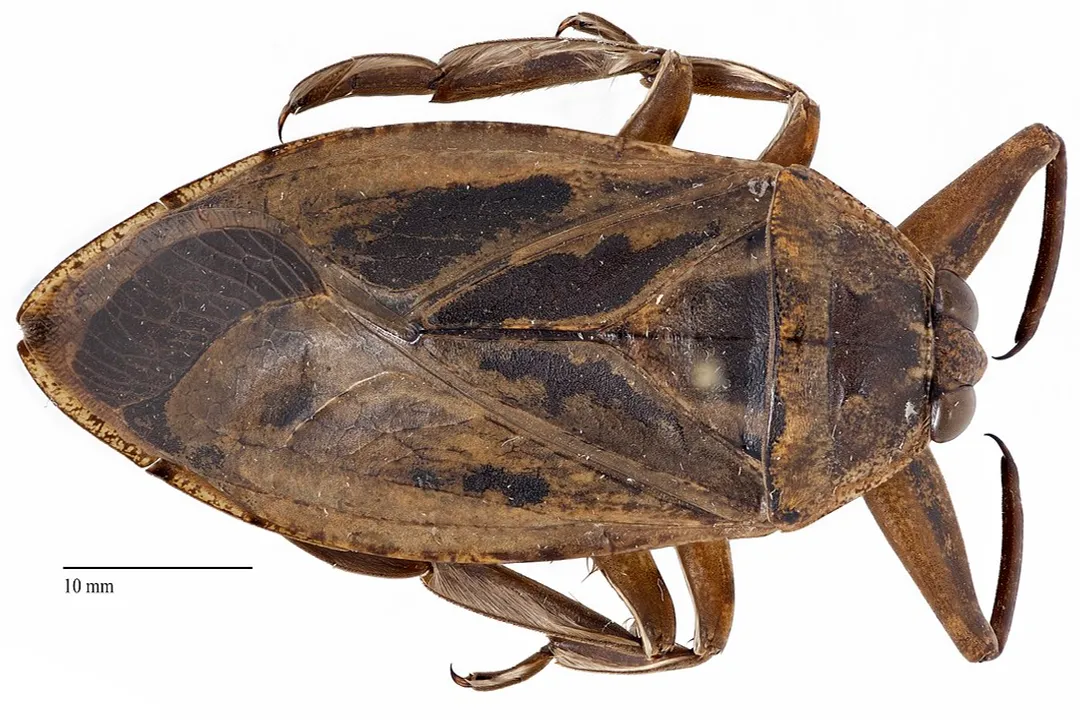
The defining characteristic of the Giant Water Bug is its size and shape. They are among the largest true bugs globally. [3] While the largest recorded specimens reach nearly four and a half inches in tropical locations, it’s useful to remember that the common species encountered across many temperate zones in North America typically top out around two inches, making the local 'giant' still formidable for its environment. [1][5] Their bodies are relatively flat and oval, resembling a thick, brown leaf or a piece of debris drifting on the water's surface. [3][6]
Like other true bugs, they possess specialized mouthparts designed for piercing and sucking, but theirs are modified for predation. Their front legs are highly adapted into raptorial appendages, meaning they are strong, clawed arms used specifically for grasping and holding onto struggling prey. [3] These powerful forelegs are essential for subduing creatures much larger than themselves.
# Surface Snorkel
Despite being skilled aquatic hunters, Giant Water Bugs cannot breathe underwater indefinitely. They must regularly return to the surface to take in air. [5] They manage this through an ingenious adaptation: a long, beak-like structure, which is essentially a modified siphon, located at the rear end of their abdomen. [2][3][5] When they approach the surface, they position this siphon just beneath the water line, allowing them to draw air down into their respiratory system without fully exposing their bodies to the air or disrupting their camouflage. [2] This adaptation explains why they are often seen resting just below the surface film in still waters like ponds and marshes. [5]
In addition to their underwater prowess, these bugs are also competent fliers. [5] They are often strongly attracted to bright lights after dark, which is why they acquire the nickname "electric-light bug". [1][5] This tendency to fly, especially when water bodies dry up or when searching for new hunting grounds, is a key aspect of their life cycle and dispersal. [2]
# Fierce Hunters
Within their aquatic domain—whether it is a slow-moving stream, a marsh, or a pond—Giant Water Bugs are recognized as apex predators among the insects. [1][2] They are not picky eaters, displaying remarkable aggression toward almost anything they can overpower. [5] Their diet frequently includes tadpoles, small fish, snails, crayfish, and other aquatic insects. [2][5]
Their hunting strategy relies on stealth and sudden, powerful ambush. Once prey is secured by those strong raptorial front legs, the bug delivers its most potent weapon: a sharp injection of saliva. [3] This saliva is not just a paralytic; it functions as a digestive agent, liquefying the victim's internal tissues. [1][3] The Giant Water Bug then uses its mouthparts to suck the resulting nutrient-rich fluid from the paralyzed prey. [1][3] This method of external digestion is common among certain predatory insects but is particularly effective and dramatic in the large Belostomatids.
# Painful Defense
The very mechanism that makes the Giant Water Bug an effective predator is also the source of its fearsome reputation among humans: the bite. [1] Because they readily bite when handled, trapped, or stepped upon, they are widely known as toe-biters. [1][2][5] The bite occurs when a person inadvertently steps on one in shallow water, or when a curious individual attempts to pick one up, causing the bug to defend itself using its powerful mouthparts. [5]
The resulting pain is often described as significantly more severe than a bee sting. [5] While their venom is primarily digestive saliva rather than a neurotoxin designed for human defense, the initial piercing and the subsequent chemical introduction cause intense, localized pain. [3] It is crucial to recognize that these insects are not inherently aggressive toward humans; their biting is purely defensive when they perceive a serious threat. [5] If you find yourself near their habitat, it is far wiser to gently scoop the insect into a container using a wide net or large cup rather than attempting to pick it up, which almost guarantees a defensive strike. [5]
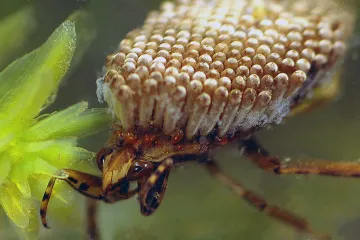
# Male Care
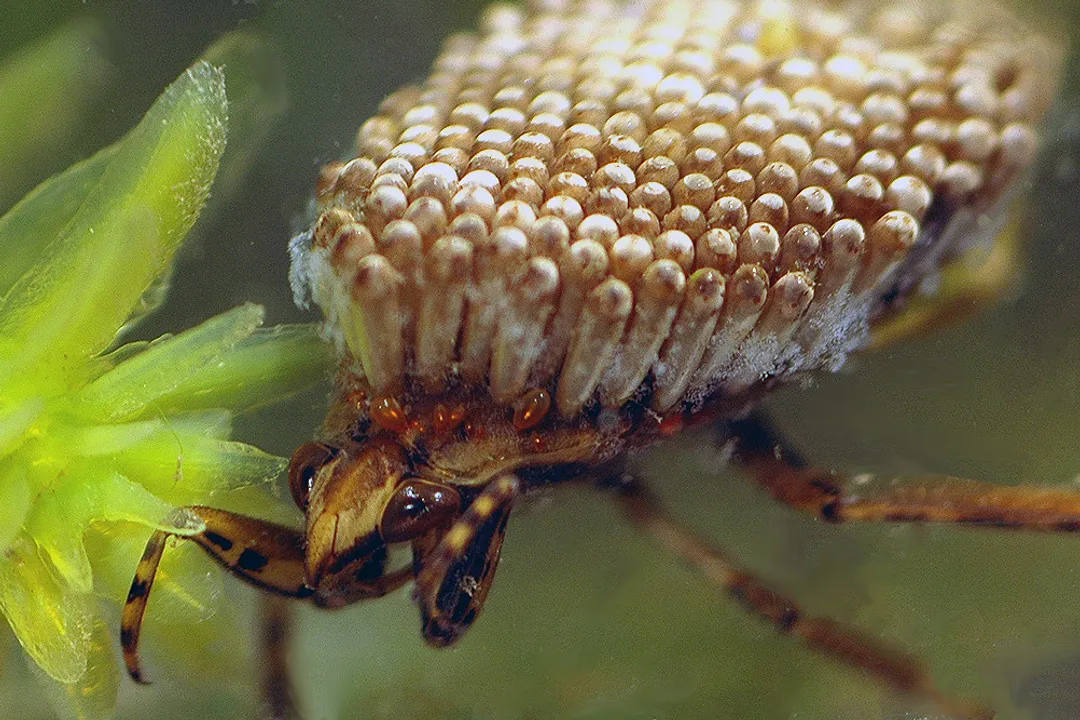
Reproduction in the Belostomatidae family involves some of the most unusual parental care strategies in the insect world, often placing the burden of egg protection squarely on the male. [5] While mating rituals can vary slightly across different species, a common pattern involves the female attaching her eggs directly onto the male's back. [1] The female glues these egg masses securely to his dorsal surface. [1]
This paternal responsibility is significant, as the male must carry the eggs until they hatch, often refusing to eat or seek shelter during this period to ensure the eggs are safe from aquatic predators and environmental damage. [3][6] In some instances, a female may mate multiple times, ensuring that only the males who accept her brood are allowed to carry the eggs away. [1] This investment in the next generation by the male highlights a unique evolutionary path for survival within the species.
# Classification Clarity
It is important to reiterate that the name "water bug" can be misleading across different regions and contexts. [7] In North America, while Giant Water Bugs (Belostomatidae) are one group referred to this way, the term can sometimes be used for other aquatic insects or even non-aquatic pests. [4][7] For instance, the term is sometimes colloquially applied to cockroaches or even electrical shield bugs. [7]
Scientifically, the Giant Water Bugs are true bugs, Order Hemiptera, characterized by their piercing-sucking mouthparts, which they possess in all life stages (nymph and adult). [3][4] They also possess modified hind legs that function as paddles, making them excellent swimmers, a key difference from many other insects that might share their habitat but lack this specific adaptation. [3] Understanding this classification helps place them correctly within the vast insect kingdom and appreciate their specific ecological niche as surface-dwelling, air-breathing aquatic hunters. [2][3]
Related Questions
#Citations
Friday 5: Fun Facts About Giant Water Bugs
Giant Water Bug (U.S. National Park Service)
Belostomatidae
Giant Water Bug | Department of Entomology
Giant Water Bug Facts | Insects in Education
Giant Water Bug - The Australian Museum
Water Bugs: What to Know
Giant Water Bug, Vol. 10, No. 08