Water Bug Diet
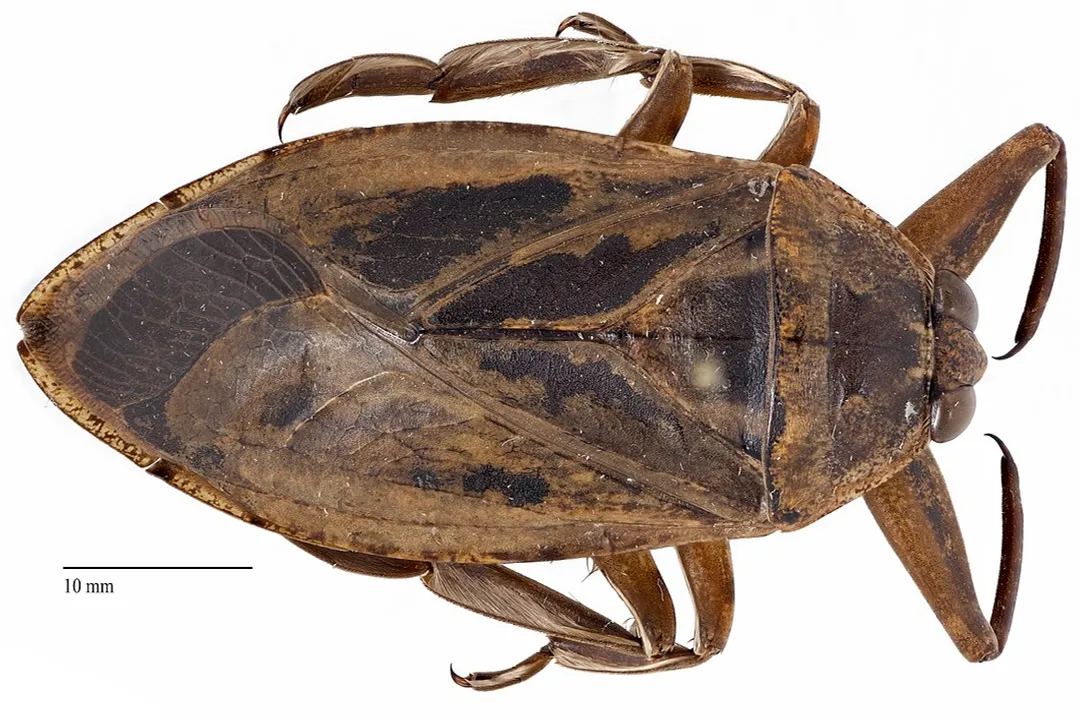
The world of aquatic insects holds some truly formidable hunters, and perhaps none are so aptly nicknamed as the giant water bug, often referred to simply as a "toe-biter" due to its potent defensive sting. These fascinating creatures, belonging to the family Belostomatidae, are not passive filter feeders or gentle grazers; they are specialized, aggressive predators that dominate their watery micro-habitats. Understanding what they eat is central to appreciating their ecological position, whether they are swimming through a pond in North America or an Australian billabong.
# Aquatic Hunters
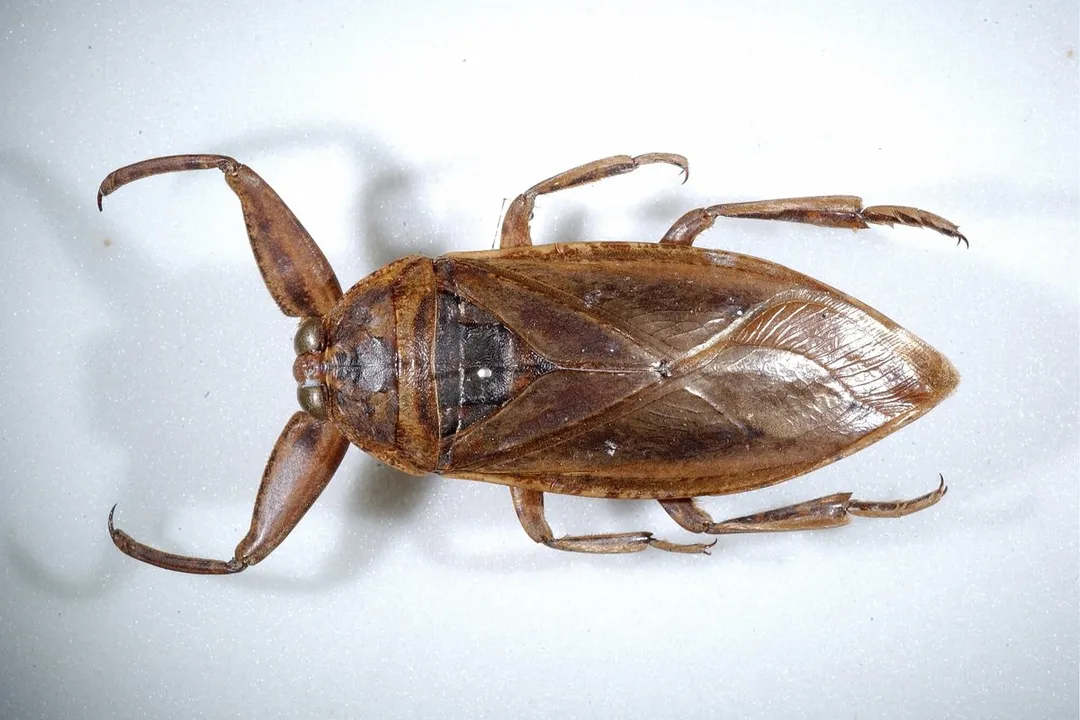
Giant water bugs occupy the role of apex predators within many small aquatic communities. Their diet is remarkably broad for an insect, showcasing an impressive willingness to tackle prey much larger than themselves. They are ambush hunters, often waiting patiently submerged until an unsuspecting meal drifts or swims too close. This strategy is effective because, despite being insects, their sheer size and predatory adaptations allow them to prey upon vertebrates.
# Grasping Prey
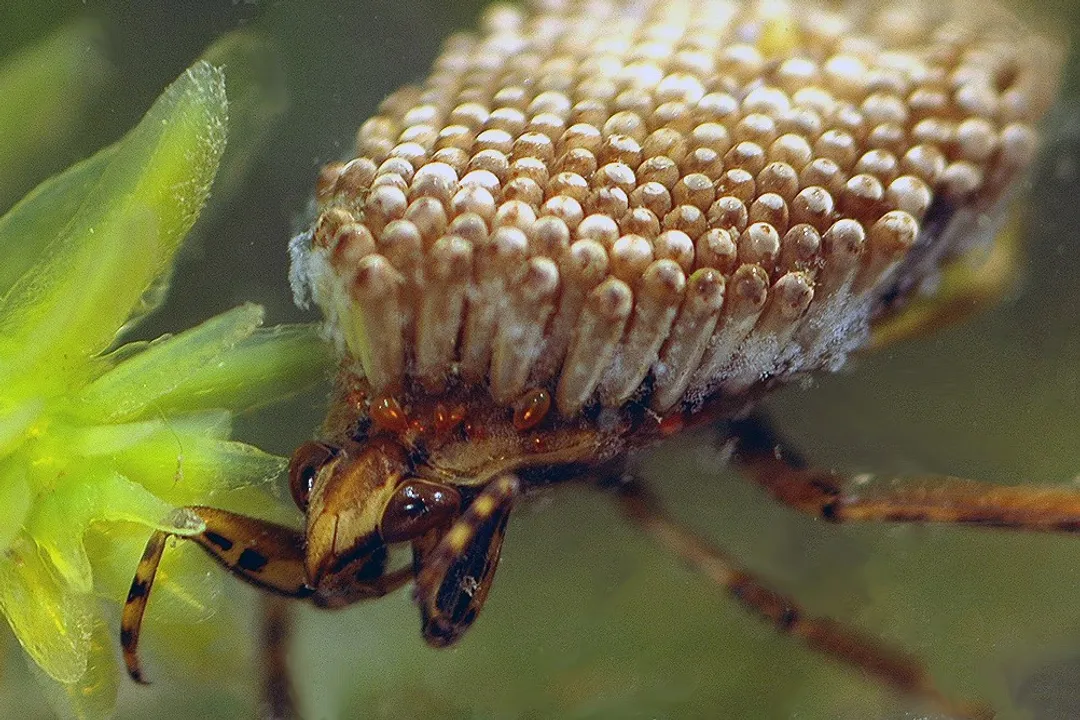
The initial acquisition of food relies on specialized anatomy. The giant water bug possesses powerful, raptorial front legs, which are modified specifically for grasping and holding struggling victims. Once prey is seized, the bug does not chew in the traditional sense. Instead, it utilizes its sharp, piercing beak, known as the rostrum, to secure a hold. This beak acts like a hypodermic needle, designed not for tearing but for penetration.
# Enzyme Injection
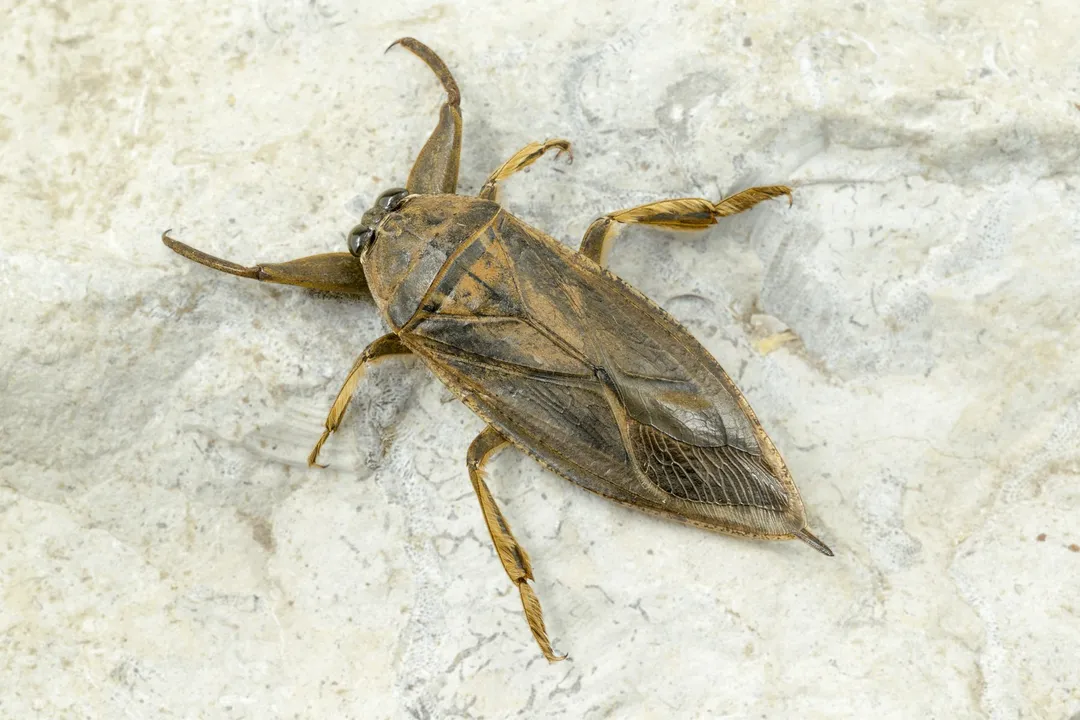
The actual feeding mechanism employed by these bugs is quite dramatic and efficient. After piercing the victim with the rostrum, the bug injects a powerful, saliva-like substance into the prey’s body. This substance contains digestive enzymes that begin to break down the internal tissues, essentially liquefying the victim from the inside out. Once the contents are sufficiently dissolved, the bug simply sucks the resulting nutritious liquid through its beak. This external digestion allows them to consume creatures much larger than their own mouths could otherwise handle. The entire process—capture, injection, liquefaction, and ingestion—highlights a sophisticated, albeit gruesome, predatory strategy.
# Diet Range
The menu for a giant water bug is varied, dictated largely by what is available in its immediate environment. On the smaller end of the scale, they readily consume other aquatic insects and various mollusks, like snails. They also actively hunt crustaceans. However, the diet frequently escalates to include small vertebrates. This includes tadpoles and small fish, making them a significant consumer of developing amphibian populations. In some regions, larger individuals have been documented taking on even small frogs, snakes, and juvenile turtles. For example, in Australian contexts, the diet often features native frog tadpoles prominently. While many sources focus on the dramatic vertebrate predation, it is important to remember that the foundation of their diet often consists of smaller aquatic arthropods.
| Prey Category | Examples Included | Predation Note | Source Reference |
|---|---|---|---|
| Invertebrates | Insects, Snails, Crustaceans | Common staple diet items | |
| Amphibians | Tadpoles, Small Frogs | Frequently targeted vertebrates | |
| Fish | Small Fish | Targeted by ambush; earns them the title "bug that hunts fish" | |
| Reptiles | Small Snakes, Small Turtles | Rare but documented consumption by larger bugs |
When looking at the general list of prey, the consistency across various ecological reports emphasizes the opportunistic nature of their feeding habits. Whether a bug is in a National Park setting or a local farm pond, the core components—insects, tadpoles, and small fish—remain consistent across documented observations.
# Pet Food
For those keeping giant water bugs as pets, often referred to in enthusiast communities as "invert pets," the diet requires careful management because of their messy feeding habits. Unlike some terrestrial insects that might nibble food over time, the GWB's liquefaction process means uneaten food will decay rapidly in the tank water, fouling the habitat quickly. Therefore, responsible keepers must offer whole, manageable prey items and promptly remove any uneaten portions after feeding.
Common offerings in captivity include live or frozen fish, such as guppies or minnows, which mimic their natural diet of small aquatic vertebrates. They can also be fed crickets or earthworms, providing essential insect or terrestrial protein if aquatic options are scarce. The requirement for a high-protein, live or freshly thawed diet suggests that their metabolism is geared towards quickly processing substantial caloric intake, which fuels their active predatory lifestyle.
A useful consideration for a new keeper is understanding that the feeding response is highly stimulated by movement. If introducing a non-moving food item, such as a frozen-thawed minnow, a light prodding or movement of the food item might be necessary to trigger the feeding response, mimicking the struggle of live prey. This mirrors their wild behavior, where movement is the primary stimulus for initiating an attack.
# Ecosystem Impact
Because the giant water bug consumes such a wide variety of aquatic life, from small invertebrates up through small fish and amphibians, they exert significant top-down control on their local ecosystems. They are a major regulatory force in pond communities, helping to keep populations of smaller, prolific species like mosquito larvae or certain types of snails in check.
It is fascinating to consider the energetic trade-off in their feeding style. While traditional chewing insects must expend energy processing solid material, the GWB's method of enzyme injection essentially externalizes part of the digestive process. This potentially allows for a faster uptake of calories, which is critical for a free-swimming ambush predator that needs bursts of energy for pursuit and capture. The efficiency gained by dissolving the prey first means less time spent consuming and more time spent available for resting or avoiding larger predators. This specialized digestive chemistry gives them a distinct advantage in securing scarce resources compared to insects relying solely on mastication.
The very fact that they can successfully prey on small, quick-moving fish and amphibians means they bridge a major gap between the invertebrate world and the vertebrate world in their habitat. If giant water bugs were removed from a pond, one might observe a noticeable increase in the population of certain small fish or tadpoles that are normally kept in check by these formidable hunters.

# Observation Notes
Observing a giant water bug feed is an excellent way to gain practical insight into insect predation mechanics. If you ever have the chance to see one feeding on a cricket or a small feeder fish, note the initial, almost instantaneous grip of the front legs, followed by the relatively stationary period where the rostrum is inserted. The stillness during the actual digestion phase is striking; the predator remains almost perfectly still, conserving energy while the external enzymes do their work. This patience, combined with explosive initial action, defines their success as hunters.
For those interested in the local environment, keeping an eye out for the residue left by these bugs can sometimes indicate their recent meal. Unlike terrestrial insects that might leave exoskeletons or casings, the GWB leaves behind only the empty, often translucent husks of their prey after they have finished extracting the internal fluids. Finding these near submerged vegetation might be the only external sign of their successful hunt. If you find numerous small, empty shells of snails or exoskeletons of small water beetles, it is a strong indication that a giant water bug is nearby acting as the local pest controller.
Related Questions
#Citations
Giant Water Bug (U.S. National Park Service)
Giant Water Bug - The Australian Museum
Giant Water Bug | Department of Entomology
Water Bugs: What to Know - WebMD
giant water bug care? : r/InvertPets - Reddit
A Bug That Hunts Fish - Texas Parks & Wildlife Magazine
Giant Water Bugs Eating | The Dragonfly Woman
Belostomatidae - Wikipedia
Giant Water Bug, Vol. 10, No. 08 | Mississippi State University ...