Water Dragon Diet
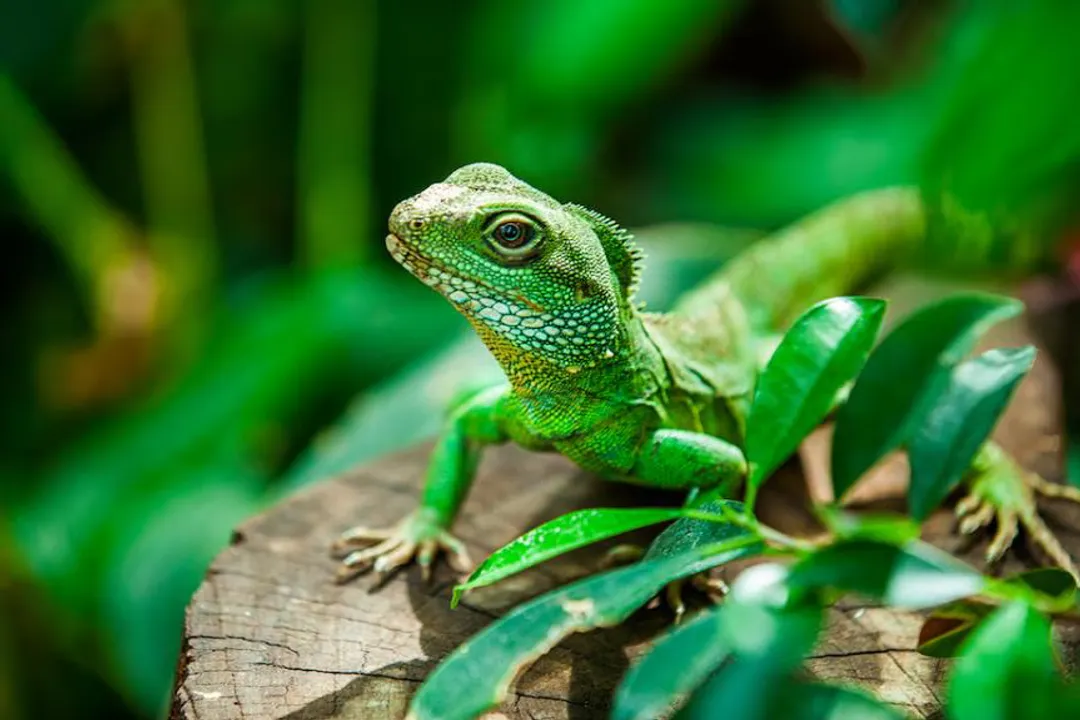
The nutritional requirements for a water dragon are a central aspect of responsible husbandry, though it is important to recognize that the term covers at least two distinct species commonly kept or observed: the Chinese Water Dragon (Physignathus cocincinus) and the Australian Water Dragon (Intellagama lesueurii). [2][3] While both share a foundation in insectivory, their needs regarding vegetation and prey size can vary, making a careful review of their natural diets essential for captive success. [2][7] Getting the diet right ensures proper growth, bright coloration, and longevity for these visually striking reptiles. [5]
# Primary Feeders
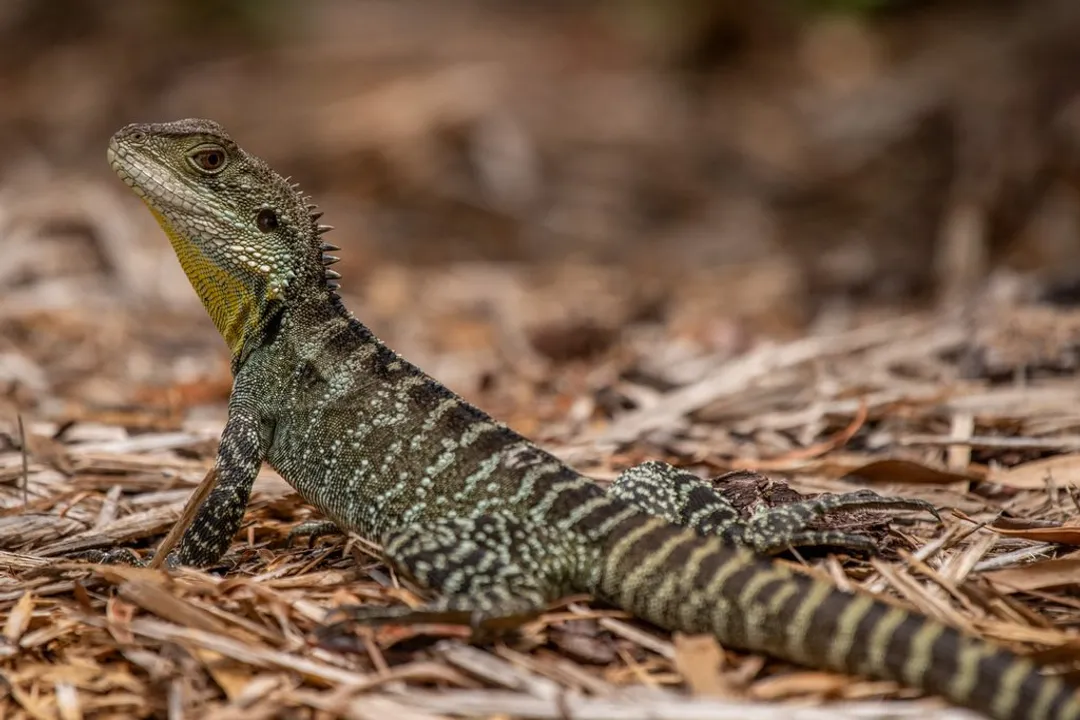
For both Chinese and Australian Water Dragons, insects form the backbone of a healthy diet. [1][2][5][9] In the wild, these lizards are opportunistic predators, feeding on whatever appropriately sized invertebrates they can catch. [2][3]
For captive care, a wide variety of feeder insects should be offered to mimic this natural foraging behavior. [1][5] Staple insects recommended for Chinese Water Dragons include crickets, roaches, and silkworms. [6] Australian Water Dragons also thrive on a diet heavy in insects, supplemented by other invertebrates. [2] When selecting insects, variety is key, ensuring the dragon isn't relying solely on one source, which can lead to nutritional gaps. [1]
It is generally agreed upon that the insects offered must be nutritionally enhanced before being presented to the dragon. [5] This process, known as gut-loading, involves feeding the insects a high-quality, nutritious diet for 24 to 48 hours before they become the dragon's meal. [1] A well-fed cricket is a nutritious meal; a starved cricket is essentially empty calories. [1]
# Varied Prey Items
While insects are primary, neither species is a strict insectivore, especially as they mature. [2][3] Chinese Water Dragons, for example, benefit from a mixed diet that includes other items alongside their insect base. [1]
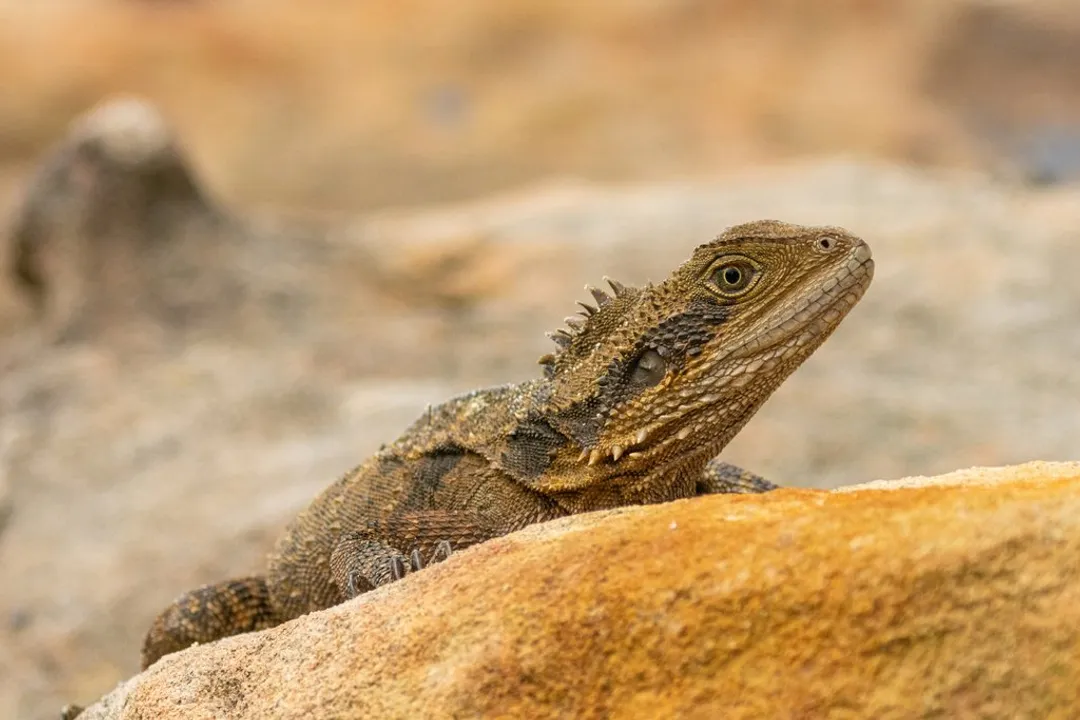
Small vertebrates can form part of the diet, particularly for larger or adult individuals. [2][3] This can include appropriately sized pinky mice or small fish, though these should generally be offered less frequently than the insect staples. [1][2] In their native habitats, Australian Water Dragons consume small fish, frogs, and sometimes small mammals. [3][7]
The inclusion of vegetation also shifts depending on the species and age. Adult Chinese Water Dragons require more vegetable matter than their juvenile counterparts. [5][9] Recommended greens include collard greens, turnip greens, mustard greens, and dandelion greens, along with occasional squash or carrots. [6] Fruit should be treated as an infrequent, small treat due to its sugar content. [6] In contrast, while Australian Water Dragons will consume flowers and fruit in the wild, vegetation is noted as being a minor component of the adult diet compared to the heavy reliance on invertebrates and small vertebrates. [2][3][7]
Here is a look at the difference in dietary emphasis between the two common types:
| Dietary Component | Chinese Water Dragon (CWD) | Australian Water Dragon (AWD) |
|---|---|---|
| Staple | Insects (Crickets, Roaches) [6] | Insects, Spiders, Invertebrates [2][7] |
| Vertebrates | Occasional (Small rodents, fish) [1][2] | Common (Small fish, frogs, rodents) [3][7] |
| Vegetation | Necessary for Adults (Greens emphasized) [5][9] | Minor Component (Flowers/fruit noted, but secondary) [2][7] |
This differentiation suggests that keepers of Chinese Water Dragons must be more proactive about offering a range of leafy greens to meet adult dietary needs, whereas Australian Water Dragon keepers should focus primarily on a broad spectrum of animal protein sources. [5][7]
# Supplementation Needs
Relying solely on gut-loaded insects is insufficient for long-term health, as feeder insects often lack the necessary calcium and Vitamin D3 required by reptiles to process calcium, which is critical for bone health. [5][9] Therefore, dusting the food items with a powdered supplement is a non-negotiable part of feeding routine. [5]
Calcium powder should be applied to the insects or other food items regularly. [5] The precise schedule can vary based on the specific brand and the age of the dragon, but many experienced keepers suggest dusting feeder insects with a calcium/D3 supplement several times a week. [5][9] In addition to calcium and D3, a multivitamin supplement that contains Vitamin A should also be incorporated into the rotation, usually once or twice a week, to cover other essential micronutrients. [6] It is vital never to dust food with the calcium supplement and the multivitamin on the same day; they must be alternated to prevent potential overdosing of certain fat-soluble vitamins. [6]
# Feeding Frequency and Amounts
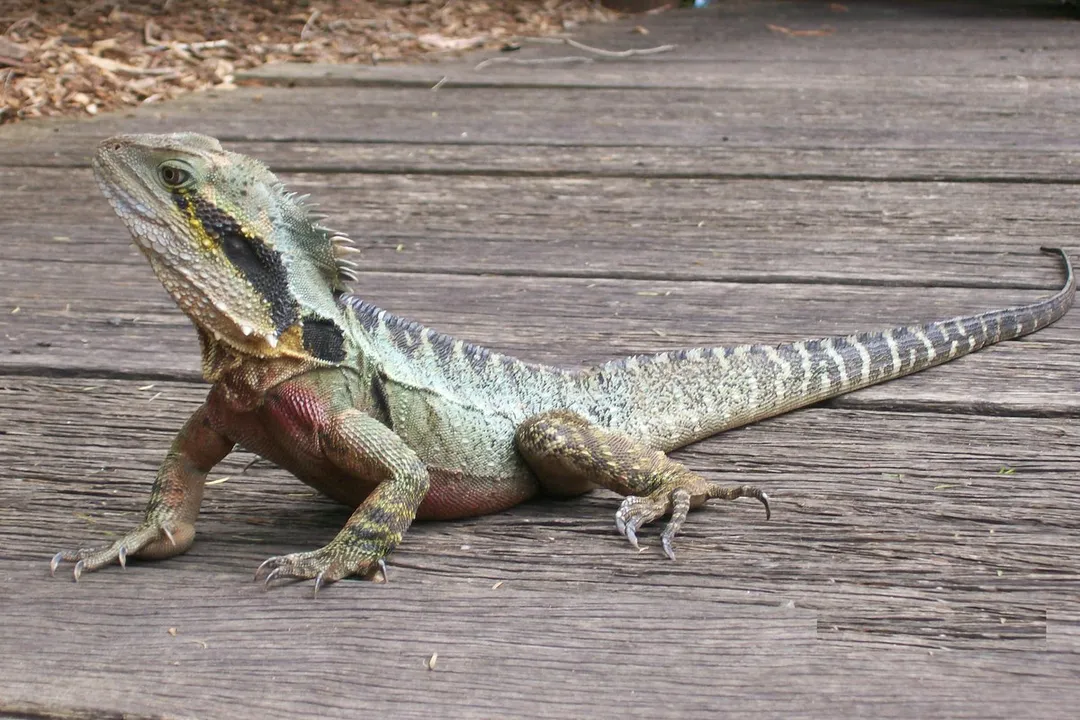
How much and how often you feed a water dragon directly correlates with its age and activity level. [4] Juveniles, being in a rapid growth phase, naturally require more frequent feedings than fully grown adults. [4]
For younger dragons, feeding daily is often recommended to support their development. [4] As they mature, the frequency should decrease. General guidance suggests that adult Chinese Water Dragons should be offered food every two to three days. [4] This adjustment is also linked to the dietary shift, as older dragons become less active and require fewer calories, making the addition of vegetables important to bulk out the meal without excessive protein intake. [5]
Determining the amount requires observation rather than rigid adherence to a number. A common guideline is to offer what the dragon will readily consume in a short period, perhaps within a five to ten-minute window, or based on prey size relative to the dragon's head. [8] Anecdotal reports from long-term owners suggest that a large adult might consume four or five large crickets every other day, perhaps with a few supplemental waxworms as a treat, indicating that overfeeding is a real risk. [8] It is important to monitor the dragon’s body condition; a healthy water dragon will have a moderate amount of fat stored along its back and tail base, but excessive accumulation is a sign of overfeeding, which can lead to health issues. [8]
If you notice uneaten prey remaining after a feeding session, reduce the quantity offered at the next meal. The aim is to provide enough nutrition for maintenance and growth without leading to obesity, which can stress the skeletal structure of these lizards. [8] Considering the high moisture content of fresh insects and vegetables, keepers should ensure fresh water is always available, as hydration is intrinsically linked to nutrient absorption and overall metabolism. [9] Making an effort to rotate the type of staple insect—for instance, alternating between crickets one week and dubia roaches the next—ensures that the dragon receives a broader spectrum of amino acids and fats that might be missing if only one feeder type is used exclusively. [6] This rotation strategy adds a layer of dietary safety beyond simple gut-loading and dusting.
Related Questions
#Citations
Basic Care: Water Dragon - Lizards - Arizona Exotic Animal Hospital
Australian Water Dragon Care Sheet - Northampton Reptile Centre
Australian Water Dragon - The Australian Museum
The diet of the Water Dragons! | Our Reptile Forum
Water Dragon Care Sheet - PetMD
Chinese Water Dragon Complete Food Guide - Zen Habitats
[PDF] Captive Care of the Eastern Water Dragon | ACTHA
How much should our Water Dragon be eating? : r/reptiles - Reddit
[PDF] Care of the Chinese Water Dragon