Water Bug Locations
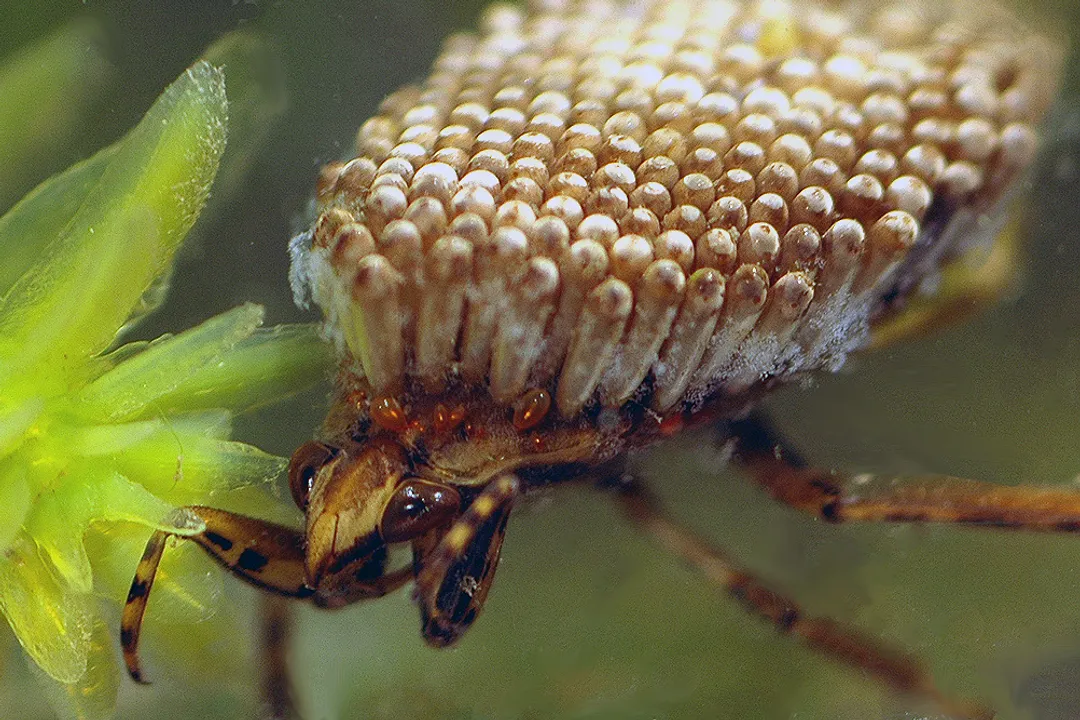
The term "water bug" rarely points to a single species, which immediately complicates any discussion about where to find them. For many homeowners, finding a "water bug" indoors often means encountering a common pest like the Oriental or American cockroach seeking moisture. [8][9] However, scientifically speaking, the term frequently refers to the powerful, predatory aquatic insects belonging to the family Belostomatidae, commonly known as Giant Water Bugs. [4][5] Understanding the true location of these creatures requires separating the pest perception from the reality of their freshwater habitats.
# True Habitat
The genuine water bugs, the Giant Water Bugs, are exclusively linked to standing or slow-moving fresh water bodies. [4][6] Their environment is defined by the presence of water suitable for aquatic life, ranging from small, temporary ditches to larger, established ponds and slow sections of streams. [6][7] These insects spend their entire lives in or very near the water, as they are aquatic. [5]
When scouting for these insects, look for areas that offer cover. They are not typically found swimming in open water during the day. Instead, they prefer to lurk beneath submerged debris, among aquatic vegetation, or near the muddy edges of a water body. [7] This behavior is essential for ambushing prey, as they are highly effective predators of smaller fish, tadpoles, and other insects. [4] If a location has dense cattails or floating lily pads, it creates the perfect hunting ground for a Giant Water Bug waiting patiently beneath the surface. [4]
It is worth noting that their required environment dictates their geographical spread. Since they are associated with fresh and sometimes brackish water globally, [5] their presence is limited only by the availability of these specific water sources across different continents. [5] In regions like Missouri, they are commonly found where the water flow is sluggish. [7] Similarly, in Texas, where they are colloquially known as "toe-biters," their appearance often coincides with warmer summer months, making shallow, warm pond edges a likely location for accidental encounters. [6][10]
# Aquatic Detective Work
For those interested in the ecological role of these insects, the location survey shifts toward general freshwater macroinvertebrate assessment. [2] If you are using an identification guide, such as those designed for stream health monitoring, you are tracking true water bugs alongside mayflies and stoneflies. [2] These guides often require collecting samples from specific zones within a stream or river system to gauge overall water quality. [2]
If you are looking in a dark, damp basement near plumbing, you are tracking a pest cockroach misidentified as a water bug; if you are near the edge of a lily pad in a local pond during summer dusk, you are looking for the aquatic insect known as the Giant Water Bug. [3][4][8] This distinction is critical because while a damp basement might host cockroaches attracted to moisture, [8] it offers no habitat for the necessary food sources or life cycle support required by the aquatic Giant Water Bug.
A subtle point about their location relates to environmental quality. True water bugs thrive where dissolved oxygen levels are moderate to high, often indicating a healthier, albeit still or slow-moving, water body, unlike stagnant, anoxic pools where only certain resilient pests might linger. [2] Therefore, finding them can sometimes serve as a weak positive indicator for the general biodiversity of a small pond, provided they are spotted in their natural environment.
# Indoor Misidentification
The primary reason many people search for "water bug locations" inside their homes is the frequent misidentification stemming from pest control nomenclature. [8] In common parlance, especially within the pest management industry, the term "water bug" is often used as a catch-all descriptor for moisture-loving cockroaches. [8][9] The American Cockroach, for example, thrives in damp, dark areas and can look similar to a large aquatic bug from a distance. [3]
The typical indoor locations for these pest species include:
- Basements and crawl spaces
- Drains, sewers, and utility pipes [8]
- Under sinks or near leaky plumbing [1]
These environments provide the darkness, warmth, and humidity that cockroaches require to survive and breed, which is why residents often associate the "water bug" sighting with areas near water fixtures. [3][8] It is important to recognize that if the insect is found far from any natural body of water, scuttling across a floor, it is almost certainly a terrestrial pest and not a Giant Water Bug, which cannot survive for long away from water. [4]
# Nocturnal Movement
While Giant Water Bugs live in the water, their locations shift dramatically after sunset. [4] Like many large aquatic insects, they are strongly attracted to artificial lights. [4] This nocturnal activity often brings them into human proximity.
A common location shift is from their daytime cover under vegetation to the water surface or even short flights near porch lights or illuminated windows overlooking a pond. [4] This attraction to light is what frequently leads to interactions where they might land on decks or get trapped against screens after dark. While they are generally slow fliers, this nighttime movement increases the chance of accidental contact. [4]
If you wish to observe them safely outside their element, the best time would be shortly after sunset near the edge of a suitable pond, keeping watch for movement toward nearby outdoor light sources. [4] During the day, however, they will be virtually invisible, securely hidden within the muck or dense plant life near the banks. [7]
# Encounter Risks
A final consideration regarding location is related to safety, specifically the painful bite associated with the Giant Water Bug. [1][9] Because these bugs bite defensively when grabbed or stepped on, the highest probability of an injurious encounter occurs in specific shallow locations. [1]
The most common high-risk locations are:
- Shallow edges of swimming areas: Where a foot might inadvertently step on one hiding near the bank or submerged rocks. [10]
- Wading areas: Especially if the bottom is silty or covered in loose debris where they can easily hide. [7]
- During nighttime activities: Near docks or illuminated areas close to the water’s surface. [4]
The defensive mechanism they employ is powerful, leading to the nickname "toe-biter" in certain areas like Texas. [6][10] This underscores that while the main habitat is the water, the locations where humans are most likely to interact negatively with them are the transitional zones between land and water, particularly during warmer seasons when they are most active. [1][10]
Related Questions
#Citations
Water Bugs 101: What They Are and How to Eliminate Them
Water bug detective guide
Waterbugs vs. Cockroaches | Are Roaches ...
Giant Water Bug (U.S. National Park Service)
Belostomatidae
Water Bug - Field Guide to Common Texas Insects
Giant Water Bugs | Missouri Department of Conservation
What Are Water Bugs? - MMPC - M&M Pest Control
Water Bugs: What to Know
Giant water bug also called toe-biter prevalent in Texas ...