Water Vole Diet
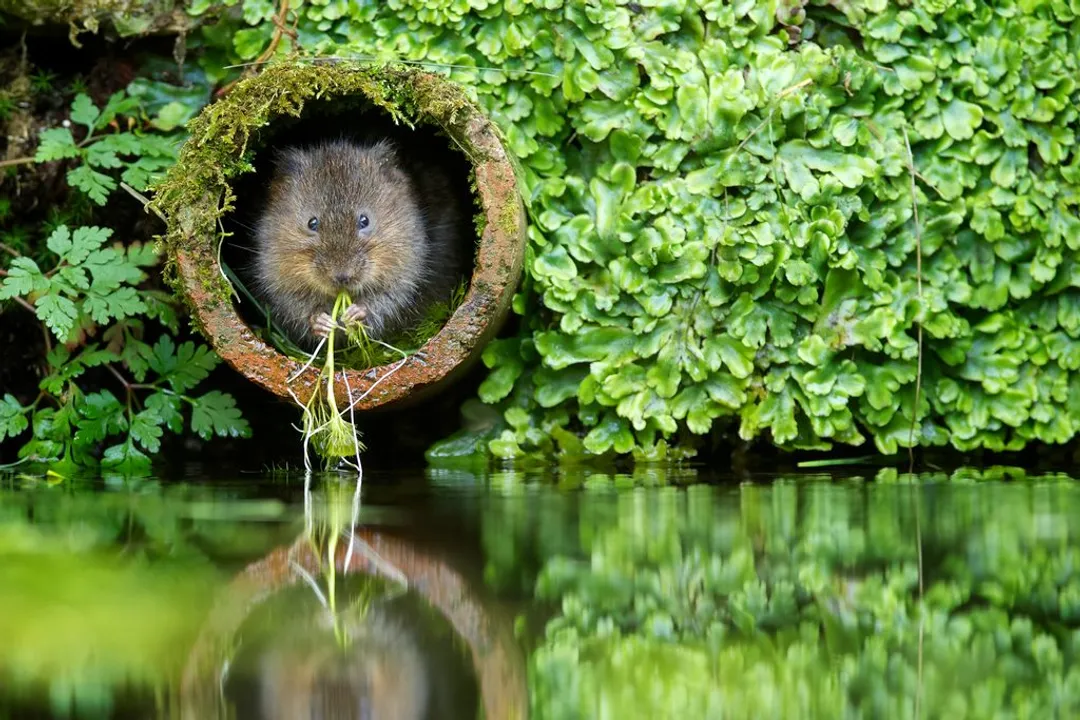
The water vole, often recognized for its endearing presence near slow-moving water, maintains a strictly vegetarian diet that dictates much of its daily activity and habitat preference. They are specialized herbivores, relying almost entirely on the fresh, green growth found along riverbanks and ditches throughout the warmer months. Their success in their watery environment hinges on selecting the right combination of waterside vegetation for optimal nutrition.
# Summer Staples

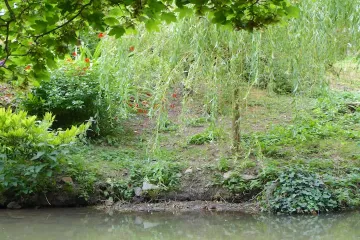
The bulk of the water vole’s menu during the active growing season is made up of common riparian plants. This includes a variety of grasses, often identified scientifically as Gramineae, as well as Cyperaceae (sedges) and Juncaceae (rushes). They consume the softer parts of these plants—the stems and leaves—preferring the emergent vegetation growing up from the water or along the bank edge over strictly aquatic plants.
This focus on emergent growth is critical. While they are semi-aquatic, their digestive system is geared toward processing high-fiber terrestrial and semi-aquatic flora. The selection isn't random; voles are adept at choosing the most palatable and easily digestible stems available at any given time.
# Foraging Volume
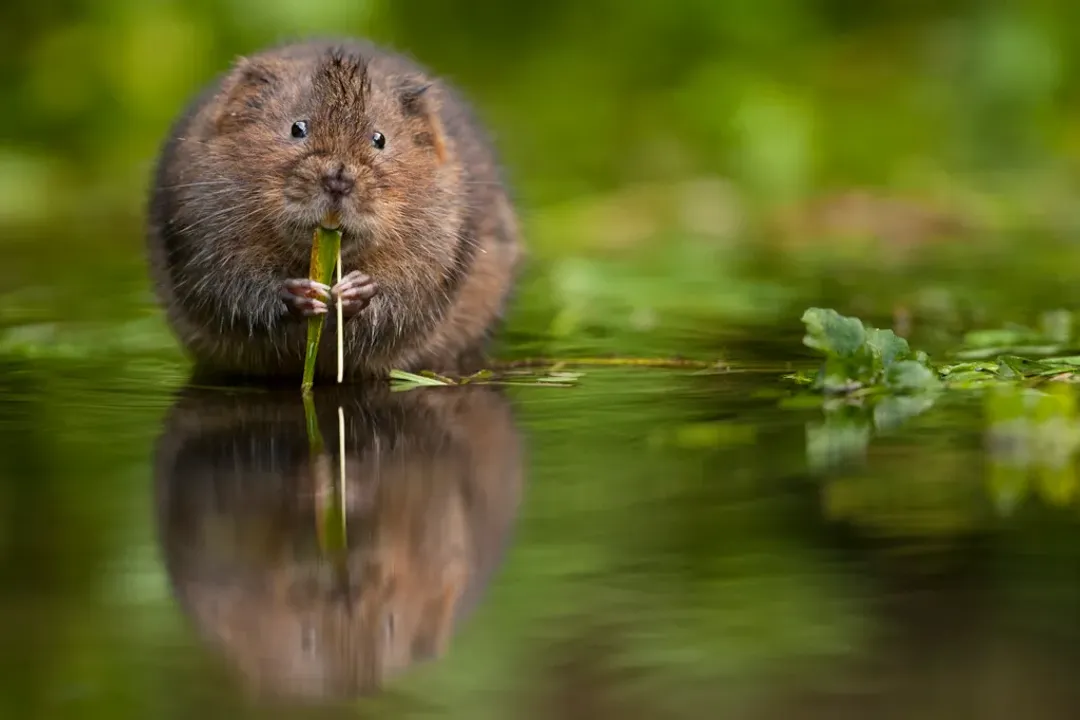
A truly remarkable aspect of the water vole’s feeding behavior is the sheer quantity of plant matter required to sustain them. It is estimated that these small rodents must consume up to 80% of their own body weight in vegetation daily just to meet their energy requirements. For a typical adult, this can equate to roughly 200 grams of food every single day.
This staggering daily intake requirement means that their feeding activity is nearly constant when food is plentiful. This necessity to process such a high volume of fibrous material suggests that the nutritional density of their primary food sources—grasses and reeds—is relatively low, demanding almost non-stop foraging to maintain energy reserves, which in turn makes the security of their burrow system paramount for resting between feeding bouts. When comparing this to other rodents, an animal needing to ingest nearly its own weight daily demonstrates an exceptional commitment to herbaceous foraging.
# Winter Changes
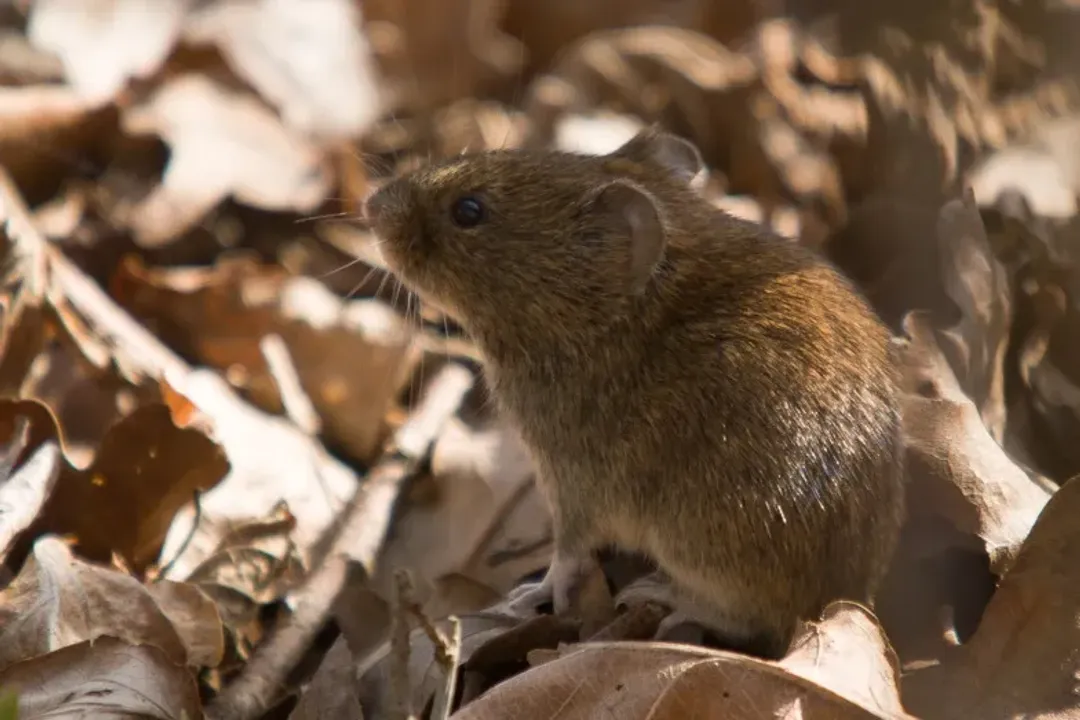
As the seasons shift and the verdant waterside growth dies back, the water vole must dramatically alter its foraging strategy to survive the leaner winter months. The reliable supply of soft leaves and tender stems vanishes, forcing them to turn toward more durable, underground, or woody parts of plants.
The winter diet shifts significantly to include roots and the bark found on woody stems and shrubs growing near the water's edge. While roots likely provide necessary stored carbohydrates and calories that the above-ground plants have sequestered for winter, bark presents a different challenge.
It is interesting to note that while water voles consume bark, they do so sparingly compared to some other large water-side rodents, like the coypu. This suggests that bark consumption is likely a survival measure rather than a preferred component of the diet. The high lignin and cellulose content in bark requires a more specialized digestive process or is simply eaten out of necessity when carbohydrate-rich roots become too difficult to excavate in frozen ground. Accessing roots underground also presents a physical challenge, requiring significant digging effort that takes energy away from the animal’s reserves.
| Season | Primary Food Types | Secondary/Survival Food | Preferred Location |
|---|---|---|---|
| Summer | Grasses, Rushes, Sedges | Stems, young shoots | Emergent vegetation |
| Winter | Roots, Rhizomes | Woody bark | Underground/Woody stems |
# Dietary Selection Insight
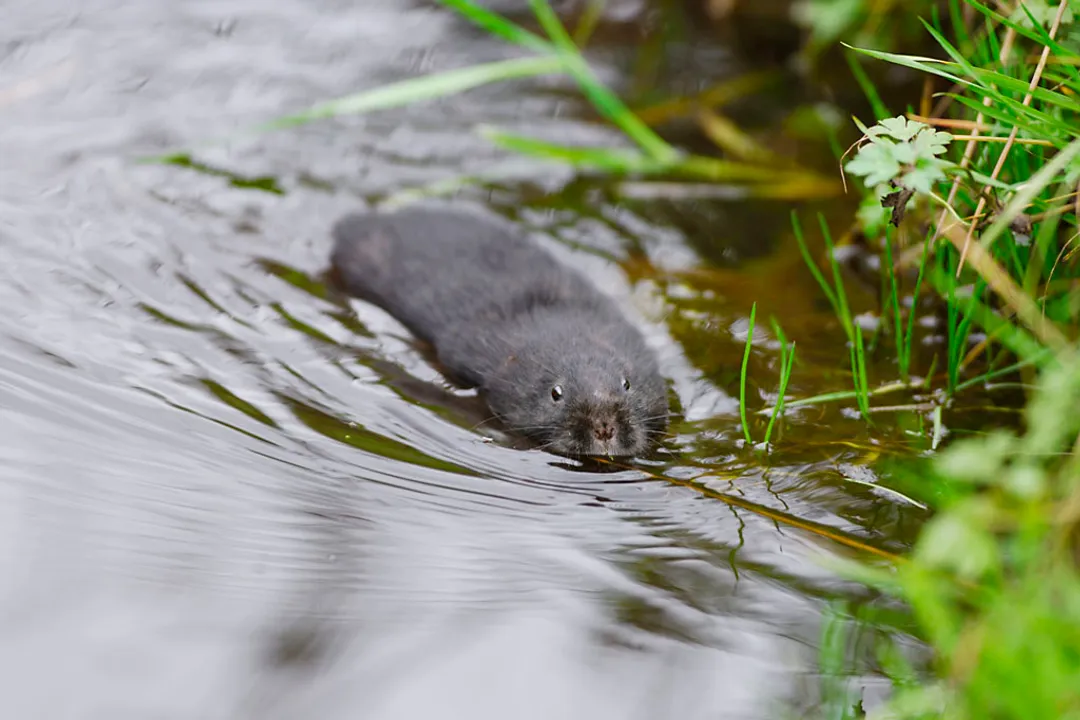
When observing a water vole's feeding ground, one might notice piles of discarded stems or gnawed plant bases. While they consume the entire plant structure they target, they are remarkably selective about which plant species thrive near their latrines or main feeding areas. A key difference emerges between the energy-rich root systems and the fibrous bark. Roots, often the rhizomes of reeds or sedges, represent concentrated energy stores; when an individual vole successfully digs one up, it's a significant caloric haul for a short digging effort. Conversely, consuming bark is a slow-burn strategy. If a riverbank is heavily managed or stripped of deep-rooted vegetation, voles may be forced to rely more heavily on bark, which could lead to poorer body condition entering the breeding season due to the lower overall energy return per hour spent feeding. This ecological pressure means that maintaining a diverse, intact margin of waterside plants—not just grass, but also woody shrubs along the bank—is vital for their year-round resilience.
# Food Preparation
Water voles do not typically process their food extensively before ingestion, unlike some other herbivores that might mash or ferment food externally. They clip the stems of grasses and reeds and often eat them on the spot, sometimes dragging larger pieces back toward the entrance of their burrow system or a nearby feeding perch. The digestive process itself relies on the specialized gut flora to break down the tough cellulose found in the grasses and sedges. Their preference for eating the green parts means that when they are active, the banks look neatly trimmed, indicating where they have been actively grazing. They are not known to hoard large stockpiles of fresh summer food underground; instead, they rely on consistent access to living material until the inevitable winter shift to roots and bark dictates a change in foraging pattern.
Related Questions
#Citations
European water vole guide: identification, diet and habitat
European water vole - Wikipedia
The water vole | The Wildlife Trusts
[PDF] WATER VOLE (ARVICOLA AMPHIBIOUS changed
Water voles are semi-aquatic rodents. Their diets consist mainly of ...
Arvicola amphibius (Eurasian water vole) - Animal Diversity Web
Water Vole - Roy Dennis Wildlife Foundation
Water vole - Mammal Society
Water vole - WWT